The Bavarian Alps is our top pick for an unforgettable road trip, offering majestic alpine scenery, charming villages, and plenty of outdoor adventure. This guide has everything you need to plan the perfect road trip through Germany’s most scenic region.
Every winter, Rafael and I make it a point to escape to somewhere snowy, a tradition born out of his love for winter landscapes. Living in The Hague (Netherlands), we don’t get much snow, so each year we seek out a destination that offers a storybook winter wonderland. After spending the end of year holidays in the Aravis mountain range in the French Alps with our two families, we decided to make the most of winter in Europe and planned another adventure — a long weekend in Bavaria. A place we had already visited years ago, but one we were eager to explore further. Füssen and the famous Neuschwanstein Castle were actually the first blog posts we published back in 2018, and we couldn't wait to return to explore more of this enchanting German region!
In this post, we’ll take you on our 4-day road trip through the Bavarian Alps, sharing our favorite scenic drives, charming towns, and winter activities. From snow-capped peaks to traditional villages and majestic castles, we’ll give you an inside look at how we made the most of our winter getaway. This guide covers everything you need for an unforgettable road trip in one of Europe’s most beautiful regions.
IN THIS GUIDE
1. The Bavarian Alps
2. Practical tips
3. Road trip itinerary
4. Day 1
5. Day 2
6. Day 3
7. Day 4
8. Getting there
9. Staying there
10. Eating there
11. final thoughts
THE BAVARIAN ALPS
Introduction
The Bavarian Alps, located in southern Germany along the Austrian border, are part of a breathtaking region of mountains, lakes, and forests. With the Alps as a backdrop, Bavaria is a place where nature, culture, and tradition come together, creating a landscape straight out of a fairy tale, complete with castles, lakes, and villages. As Germany’s largest state, Bavaria is home to Munich — its vibrant capital, which we visited in 2023 and still plan to write about soon. This region is perfect for nature lovers, with endless opportunities for skiing, hiking, and exploring traditional Alpine towns. Steeped in history, it also boasts iconic landmarks like the Neuschwanstein Castle, embodying the magic of this extraordinary part of Germany.


History
The Bavarian Alps are not only a breathtaking natural wonder but also a region with a rich and centuries-old history. Bavaria, one of Europe’s oldest states, has been inhabited since the Bronze Age, bearing witness to countless cultural and historical shifts. During the Roman Empire, this region marked the edge of the known world. Vital trade routes, such as the Via Claudia Augusta, crossed its rugged terrain, connecting the empire to the Alpine lands and beyond.
Bavaria later became the heart of the Holy Roman Empire, playing a central role in European politics and religion. The early 19th century brought dramatic changes when Napoleon annexed the region, transforming it into a kingdom and significantly expanding its size. Under the Wittelsbach dynasty, Munich became a cultural hub, with Bavaria thriving in architecture, music, and art. This legacy was further immortalized by King Ludwig II, the "Fairy Tale King", who created iconic castles like Neuschwanstein, blending romantic medieval ideals with modern innovations. His vision helped shape Bavaria's image as a dreamlike, picturesque destination.
The 20th century brought turbulence to the Bavarian Alps, particularly during World War I and the rise of the Nazi Party. Bavaria’s traditions were appropriated to promote the Nazi ideology, leaving a complex legacy that still resonates in the region's history. Despite these dark chapters, Bavaria has become a place where its royal heritage, cultural landmarks, and natural beauty coexist harmoniously.
Today, visitors to the Bavarian Alps can explore this fascinating blend of history and nature. From Roman trade routes and medieval castles to idyllic alpine villages and historic towns, the region offers a journey through time amidst stunning mountain landscapes.
PRACTICAL TIPS
Best time to visit
While we’ve always visited the Bavarian Alps in winter and love the snow-covered views and cozy atmosphere, we believe each season has its own charm. Winter is great for skiing and snow sports, while spring and summer bring lush green landscapes, blooming flowers, and sparkling lakes. Autumn offers a peaceful vibe with colourful foliage, perfect for scenic drives and hikes. However, summer and school holidays tend to be busy, so we recommend planning your trip outside of these peak periods for a more relaxed experience. The best times to visit are often the shoulder seasons, such as April/May or September/October, when the region is quieter. Keep in mind that November is a very popular month for Germans to explore Bavaria, so it’s best to avoid traveling during this time.
Trip Duration
To truly explore Bavaria, we recommend spending at least 4 to 5 days in the region. There's so much to do and see, from charming villages and historic landmarks to stunning alpine landscapes. Visiting major highlights like the Neuschwanstein Castle typically takes half a day, so having extra time allows you to fully enjoy nearby attractions. Since the Bavarian Alps cover a large area, we suggest focusing on one part of the region to make the most of your time, unless you have more time to explore. If your schedule allows, consider extending your trip to eastern Bavaria to visit the stunning Königssee Lake or crossing into Austria to explore the towns of Innsbruck or Salzburg.
Road trip Budget
While a road trip through Bavaria can be affordable, it's important to keep a few extra costs in mind. Mid-range accommodation usually costs between 100 and 200 EUR per night, and meals at casual restaurants range from 15 to 30 EUR. While cable car rides to mountain viewpoints can be an exciting experience, they are also quite expensive, so be sure to budget for these hidden costs. One helpful tip is to always carry cash with you, as not all places accept card payments, especially in smaller towns.
Car rental information
Renting a car was one of the best decisions we made for our trip. We rented a car directly at Munich Airport, which made navigating the region so much easier. For a 4-day rental, including insurance, we paid around 250 EUR, which we felt was reasonable for the convenience it provided. Having a car allowed us to explore at our own pace and visit lesser-known spots that would have been more difficult to reach using public transportation.
Driving in the region
Driving in the German part of the Bavarian Alps is generally easy, as the roads are well-maintained, and signage is clear. However, during the winter months, snow and icy conditions can make driving more challenging. While roads are usually cleared promptly after snowfall, it’s important to be prepared for winter conditions, especially if you're driving through mountain passes. Be sure to check weather forecasts and road conditions before heading out. Additionally, keep in mind the speed limits on highways and follow local driving rules. If you're planning to drive into Austria during your trip, you’ll need a road vignette to use the highways. A 1-day vignette costs about 9.30 EUR, while a 10-day vignette is around 12.40 EUR. You can buy them at gas stations or online in advance.


ROAD TRIP ITINERARY
Overview
Our four-day trip through Bavaria was one to remember, with amazing views, cute little towns, and famous landmarks. We started in Füssen, visiting the famous Neuschwanstein Castle and exploring the town. On the second day, we drove through the Alps, stopping at Linderhof Palace, Ettal Abbey, and Eibsee Lake. Our third day was a perfect blend of adventure and alpine charm, spent skiing on the Bavarian mountains and exploring Garmisch-Partenkirchen. On our final day, we explored Wagenbrüchsee Lake, wandered through the traditional villages of Mittenwald and Oberammergau, ending our road trip with memories we will never forget!
DAY 1 - Bavarian Icons
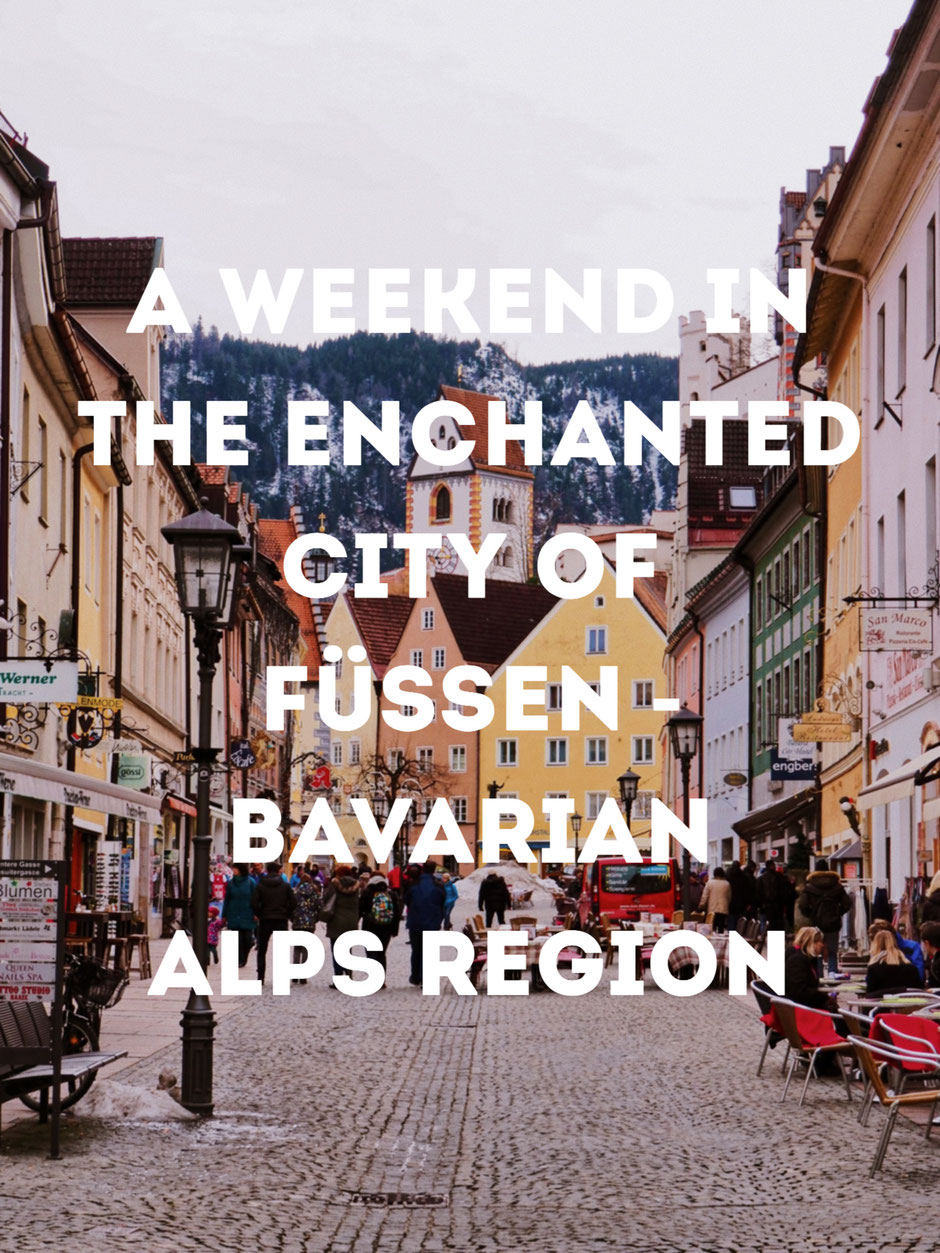
Füssen
After landing late at Munich Airport, we chose to stay overnight at a nearby hotel so we could start fresh the next morning. Our first stop was Füssen, less than two hours away by car. Sitting at the foot of the Alps, it felt like the perfect place to begin our Bavarian adventure.
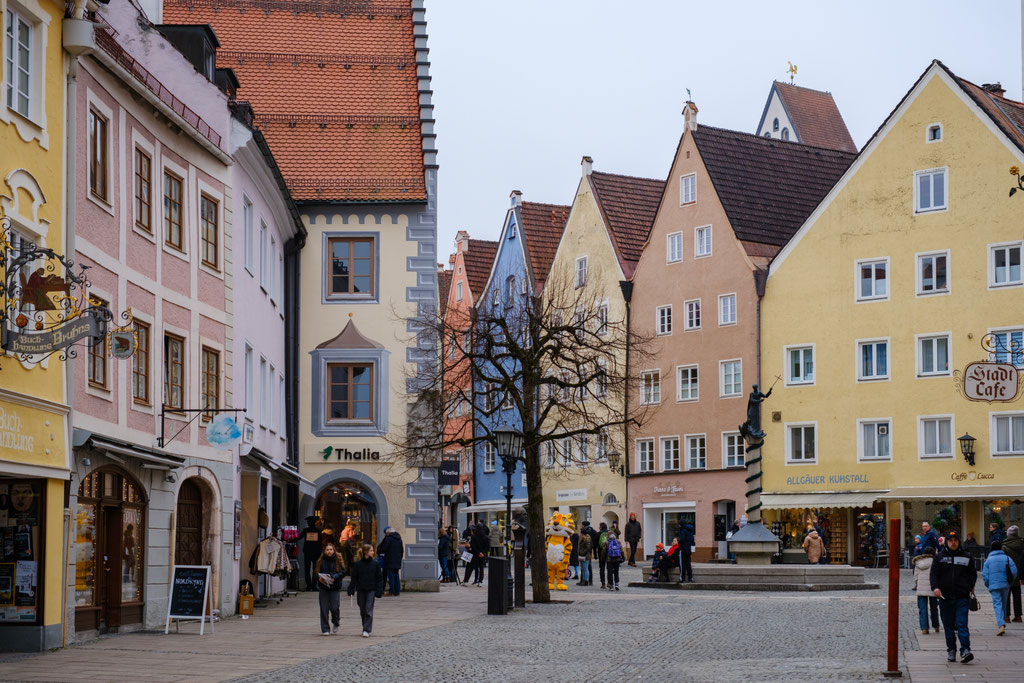
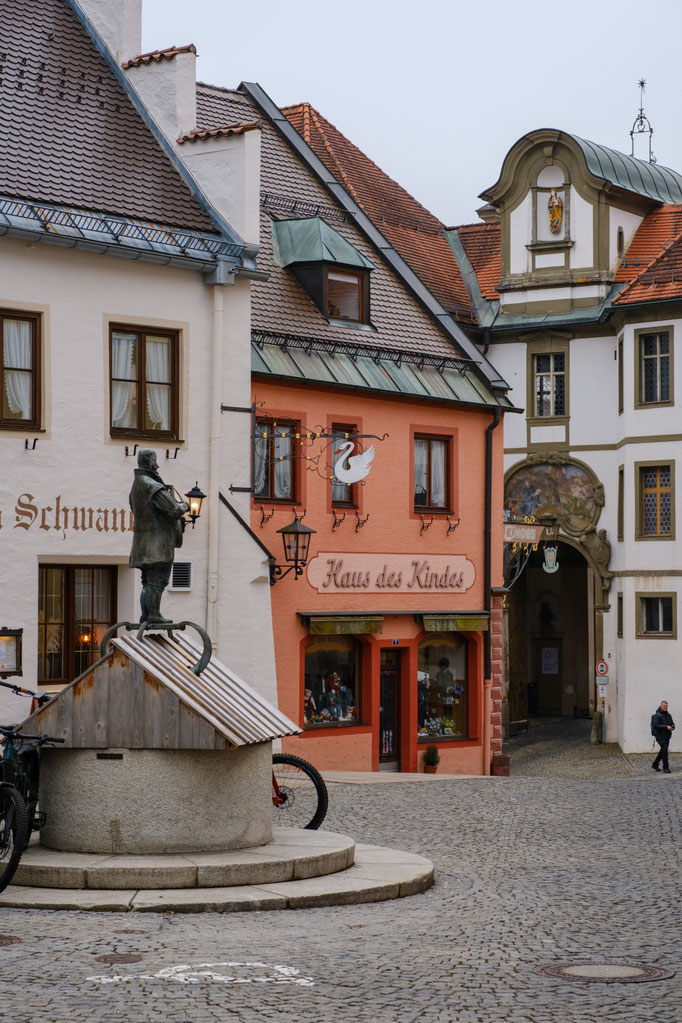
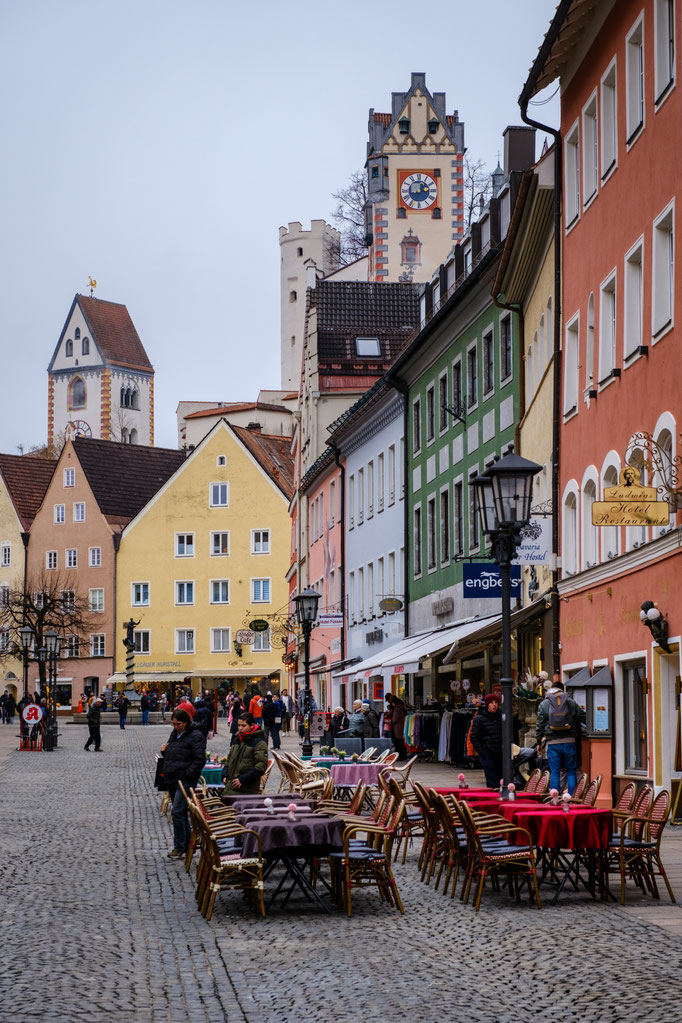
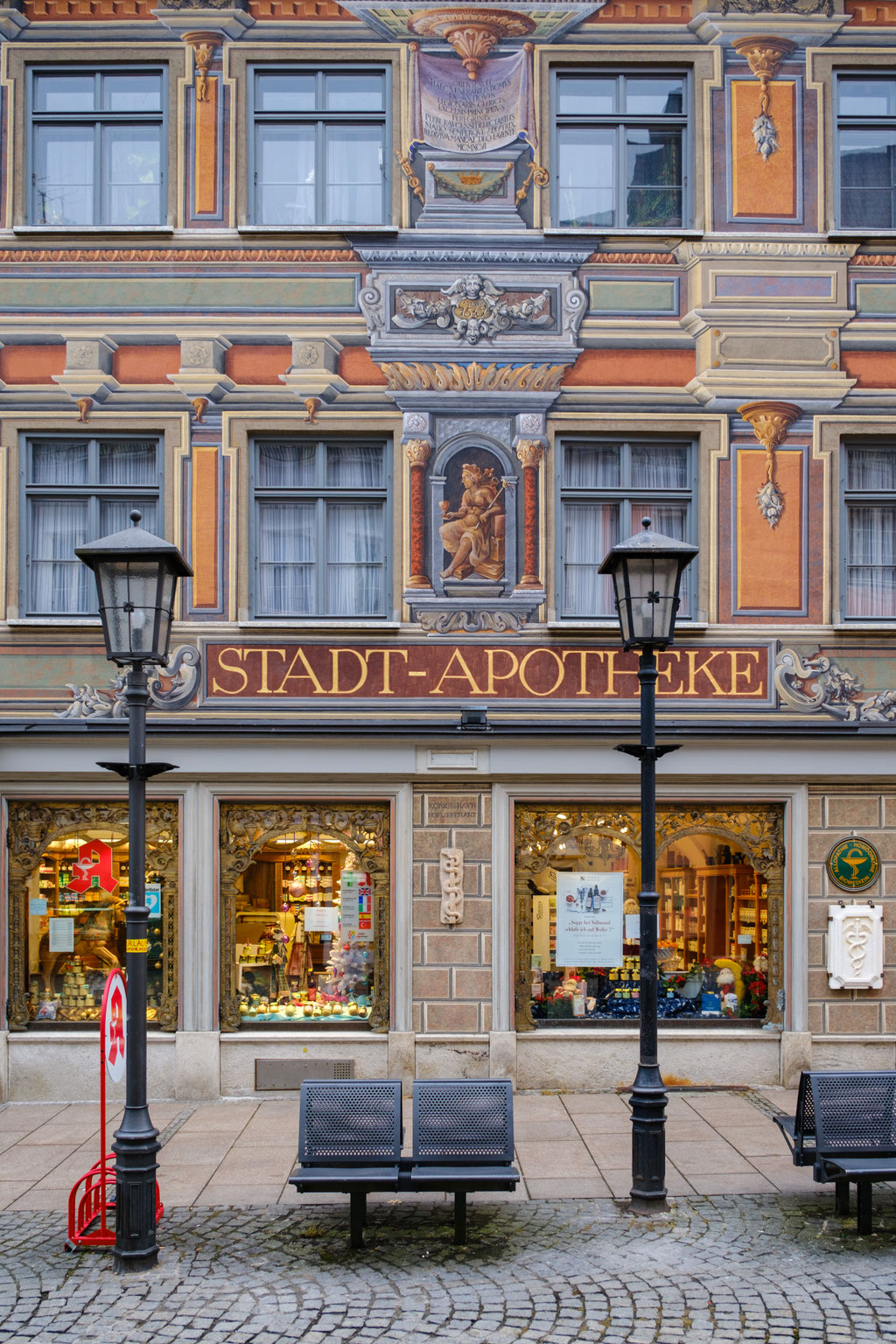
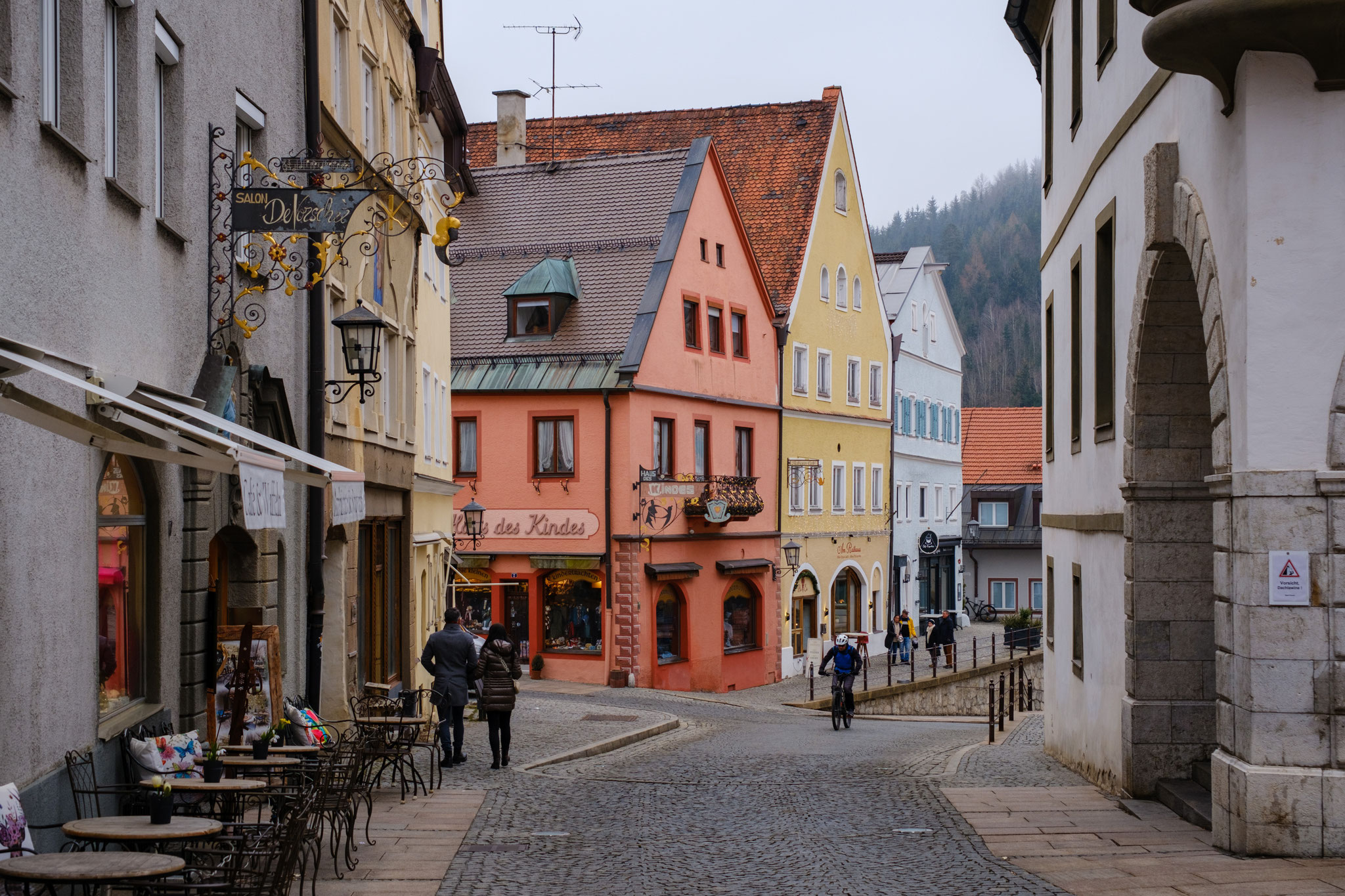
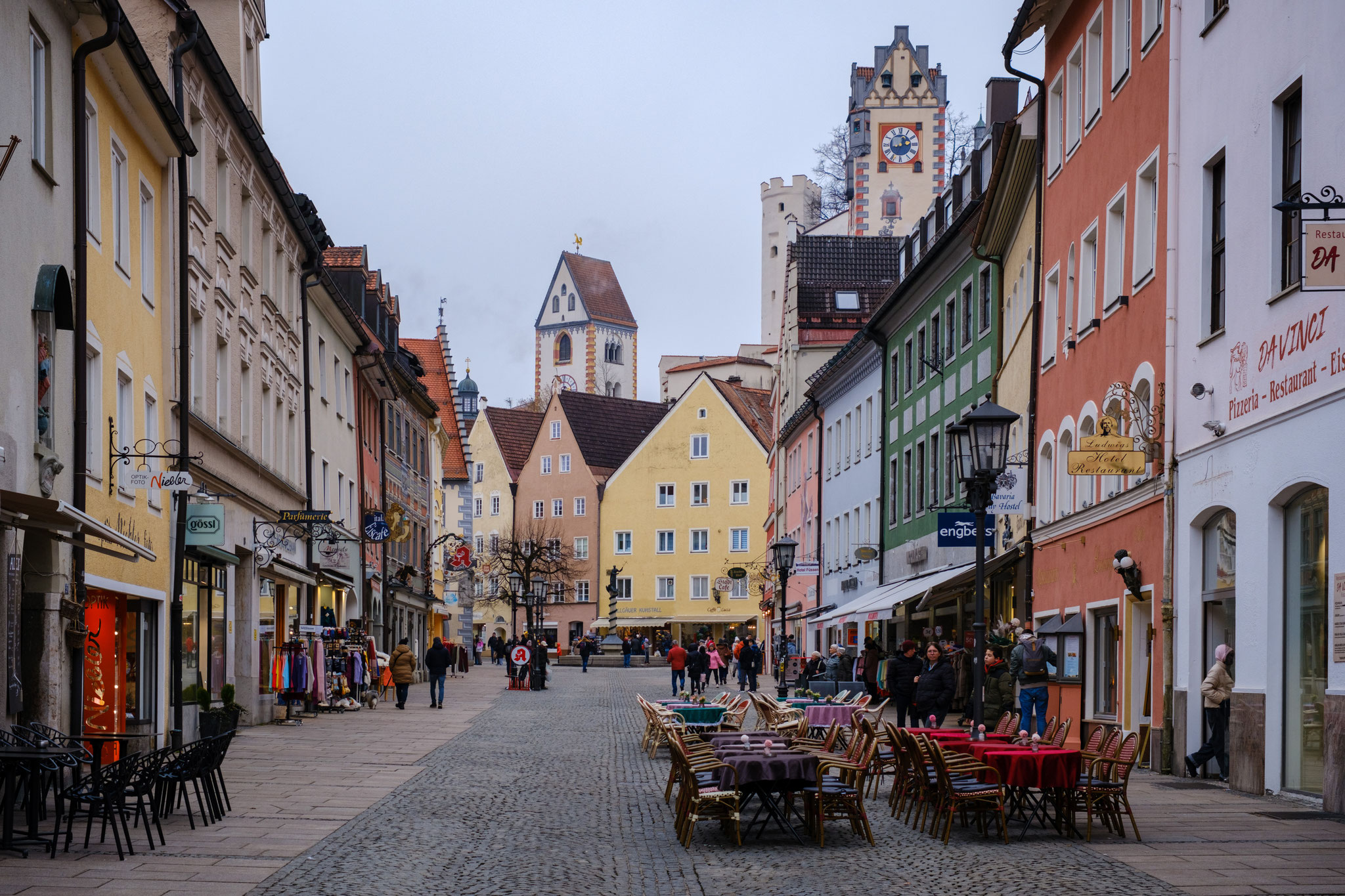
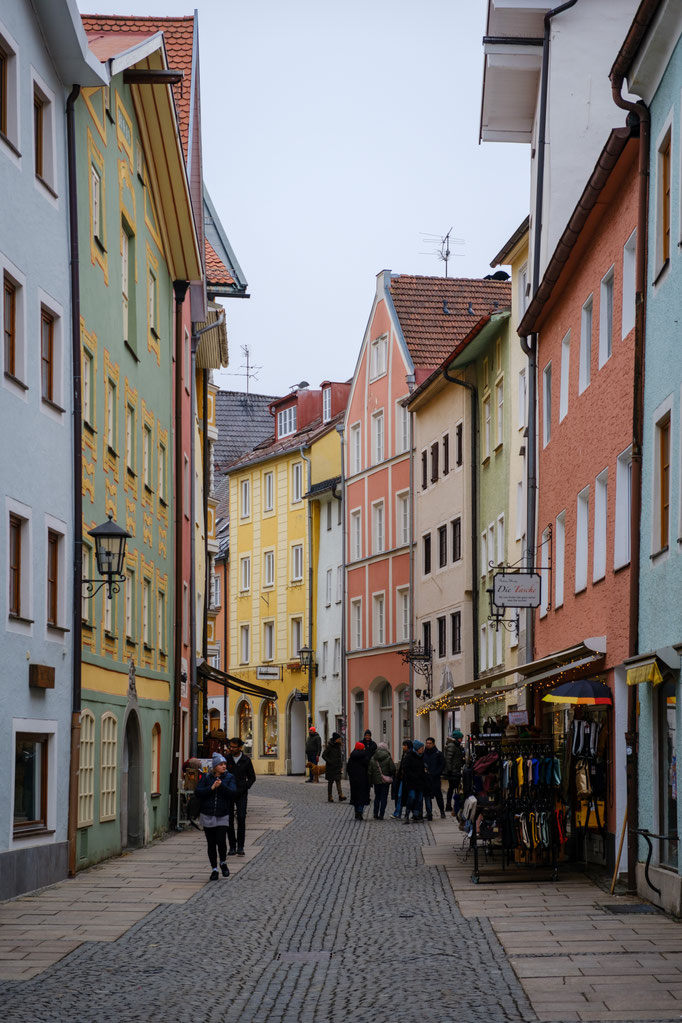
Füssen is best known as the gateway to the Neuschwanstein Castle, but the town itself is well worth a visit. With its colourful houses, alpine backdrop, and tranquil atmosphere, it is a very pleasant place to explore. The main street, Reichenstrasse, is lively and full of character, and we enjoyed wandering through smaller streets like Brunnengasse and Hutergasse, where it is quieter and more authentic.
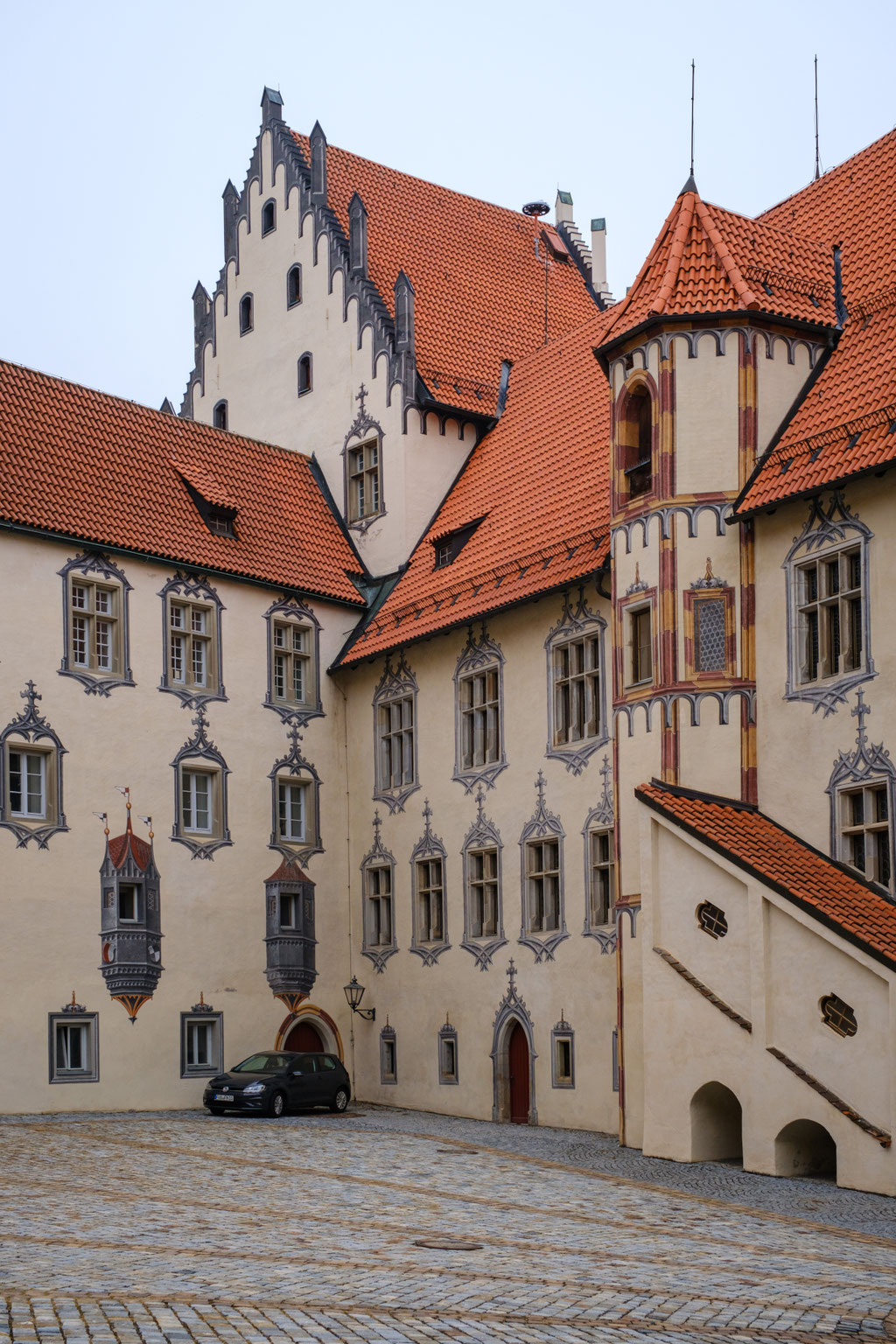
The town also has an interesting history. The High Castle (Hohes Schloss) stands above Füssen and offers great views over the old town and the surrounding area. Its painted façade, with Gothic-style illusion paintings, is especially striking. In summer, visitors can usually climb the watchtower (Fallturm) for free to enjoy panoramic views, but unfortunately it was closed during our visit. Another highlight is the Church of the Holy Spirit, easily recognisable by its richly decorated exterior.
If you have a bit more time, the Lechfall Waterfalls are just a short walk from the old town. It is a peaceful spot to enjoy nature and take a short break from sightseeing. Füssen was a wonderful introduction to the Bavarian Alps. More than just a stop on the way to the castles, we found it charming, full of history, and with a calm, welcoming atmosphere.
| For more information about Füssen, check our post here |



Neuschwanstein Castle
After a lovely morning in Füssen, we drove a short distance to visit the famous Neuschwanstein Castle. As Bavaria’s most visited attraction and the inspiration behind Disney’s Sleeping Beauty Castle, it is extremely popular, so booking tickets online in advance is highly recommended. We had reserved the 2 p.m. English tour and arrived early to allow enough time to park, walk up to the castle, and enjoy the area. Parking cost 12 EUR for up to six hours, and the uphill walk takes around 30 minutes. Tickets can be redeemed directly at the castle, which makes the process easier.
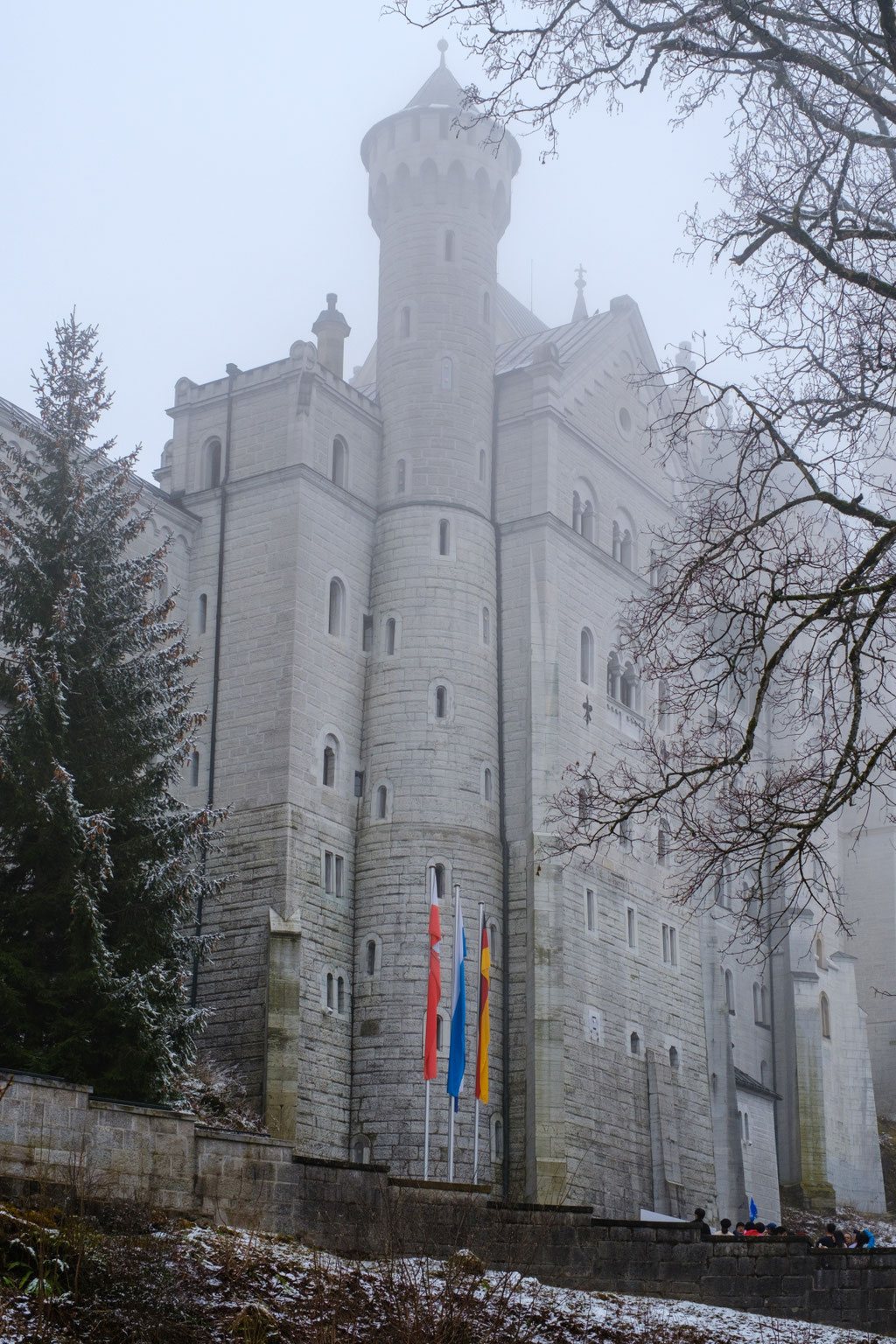
Unfortunately, the weather was not on our side — there was so much fog that we couldn’t see the castle from afar. During our first visit in 2018, the sky was clear and the views were incredible, so the difference was striking! Weather permitting, the climb is very scenic. The path also leads to the Marienbrücke (Mary's Bridge), the most famous viewpoint of the castle. It is said that Ludwig II himself loved the view from here. The bridge is often closed in winter, as was the case during our visit, but you can still find great viewpoints while walking through the forest.
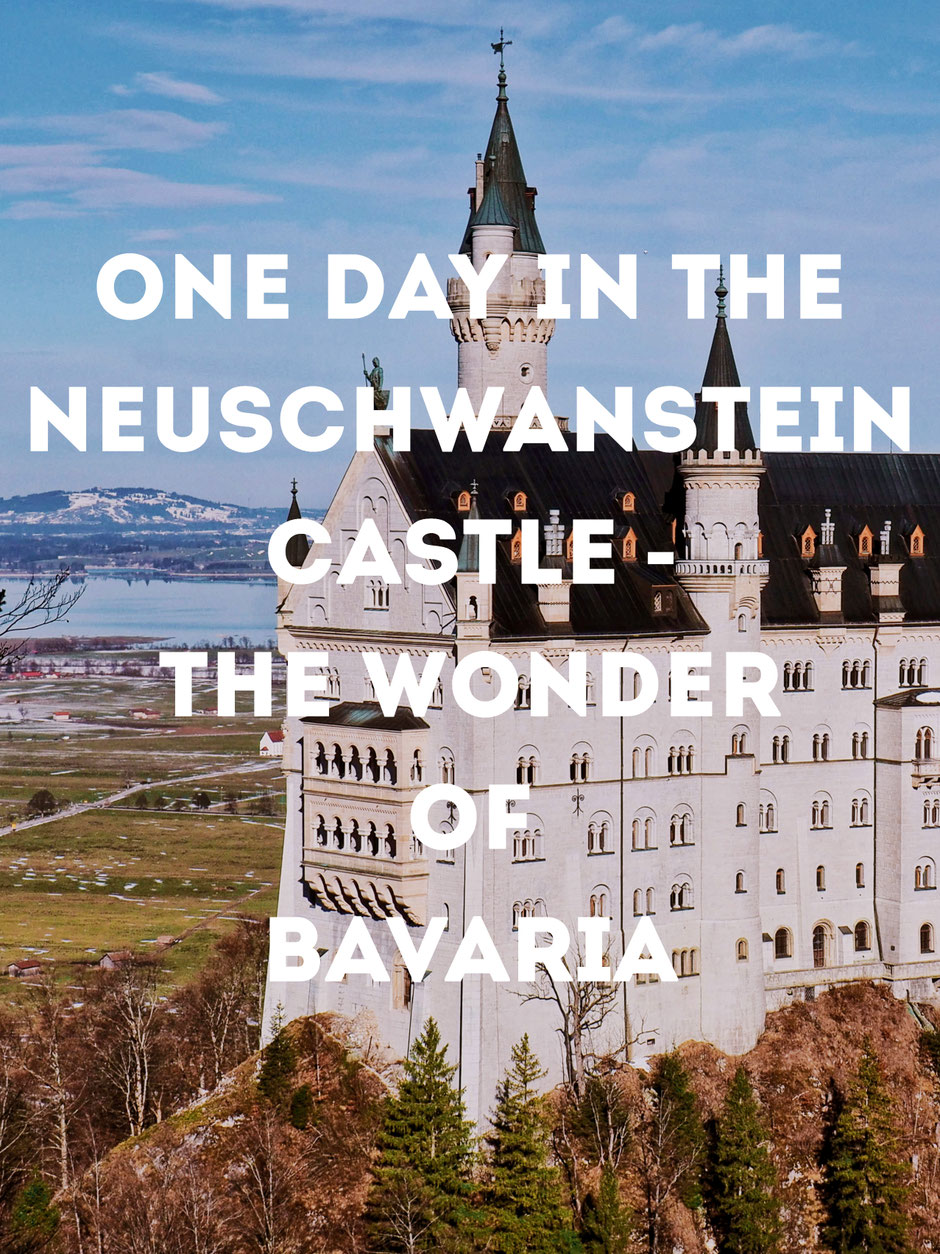
Neuschwanstein Castle was commissioned by King Ludwig II of Bavaria, known as the “Fairy Tale King”. Construction began in 1869, and Ludwig wanted a romantic castle inspired by medieval legends and Wagner’s operas. The architecture is a mix of Gothic, Romanesque, and Byzantine styles, which gives the castle its fairy-tale look. Although it is now world-famous, Ludwig only spent about 170 days there, and the castle was never fully completed before his mysterious death in 1886.
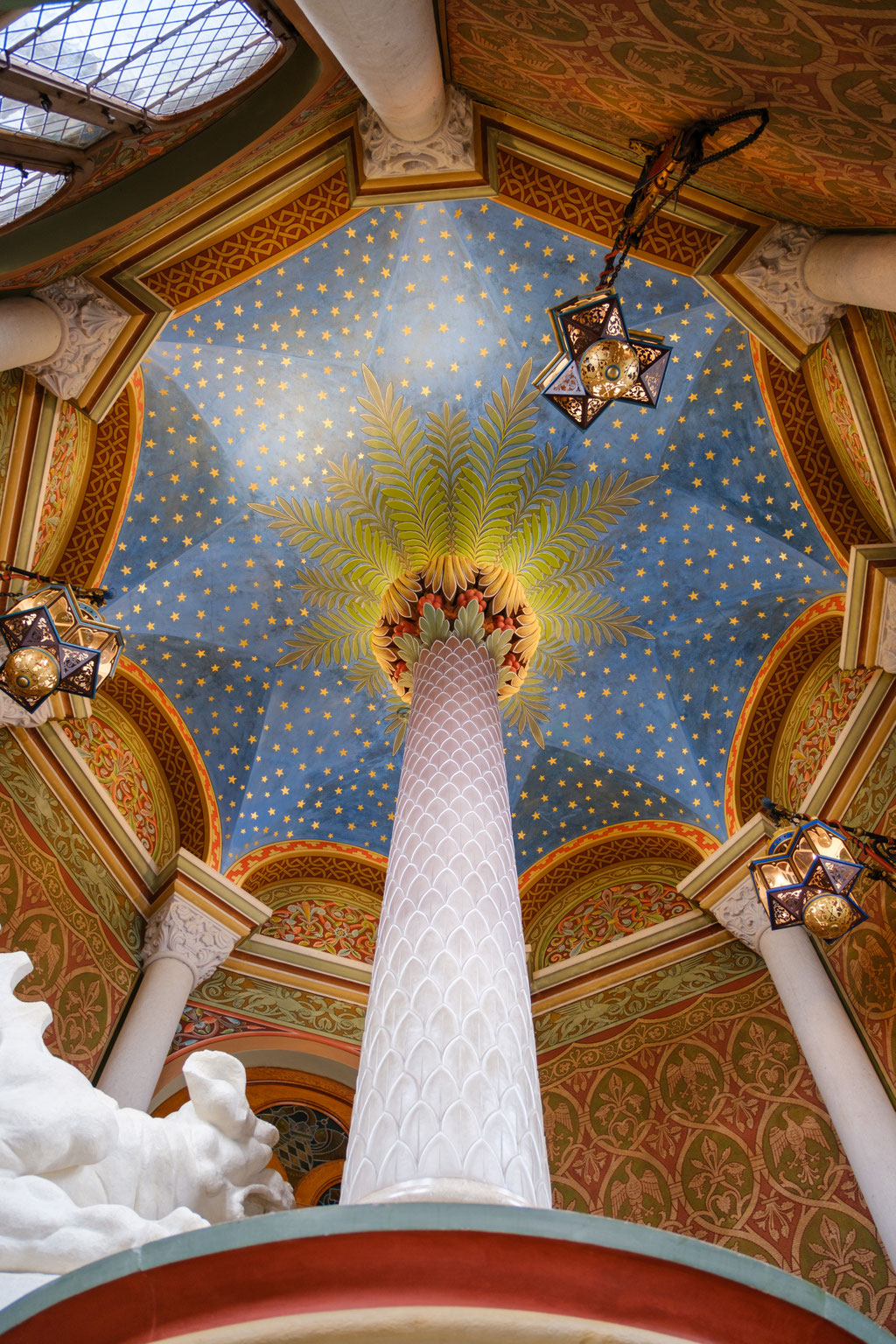
Inside, the castle is truly impressive! The rooms are richly decorated, and the Throne Room is especially magnificent. However, the overall experience felt a bit rushed and quite commercial. The tours are expensive, and everything is very organised and fast-paced, which made it hard to fully enjoy the atmosphere and history. It almost felt like visiting a theme park. We wished we had more time to immerse ourselves in the castle’s history. Even so, Neuschwanstein is an iconic place and remains one of the most impressive sights in Bavaria.
| Opening hours |
Summer: daily from 9 a.m. to 6 p.m.
Winter: daily from 10 a.m. to 4 p.m.
| Admission - 21 EUR |
| For more information about the Neuschwanstein Castle, check our post here |

Hohenschwangau Castle
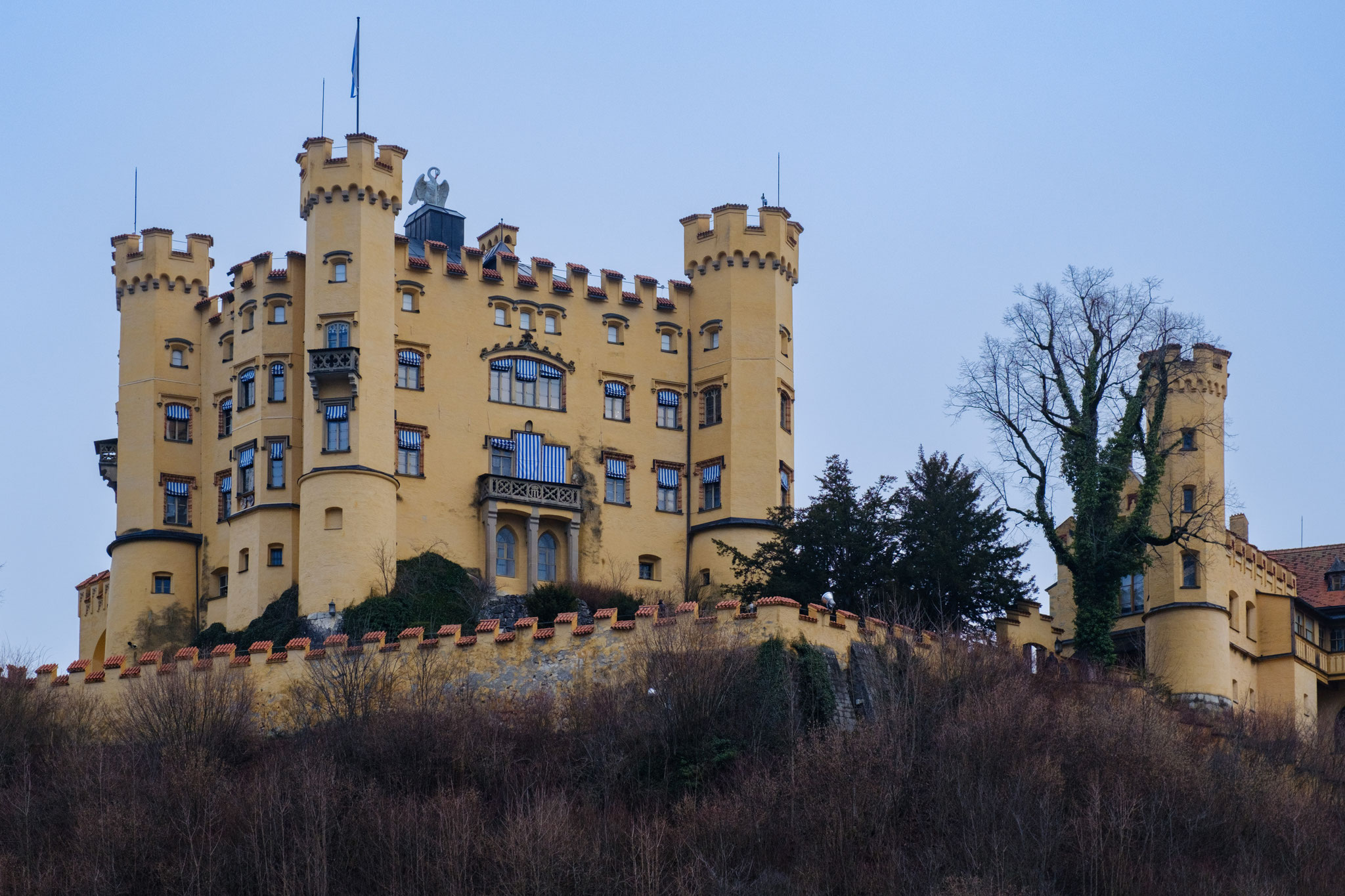
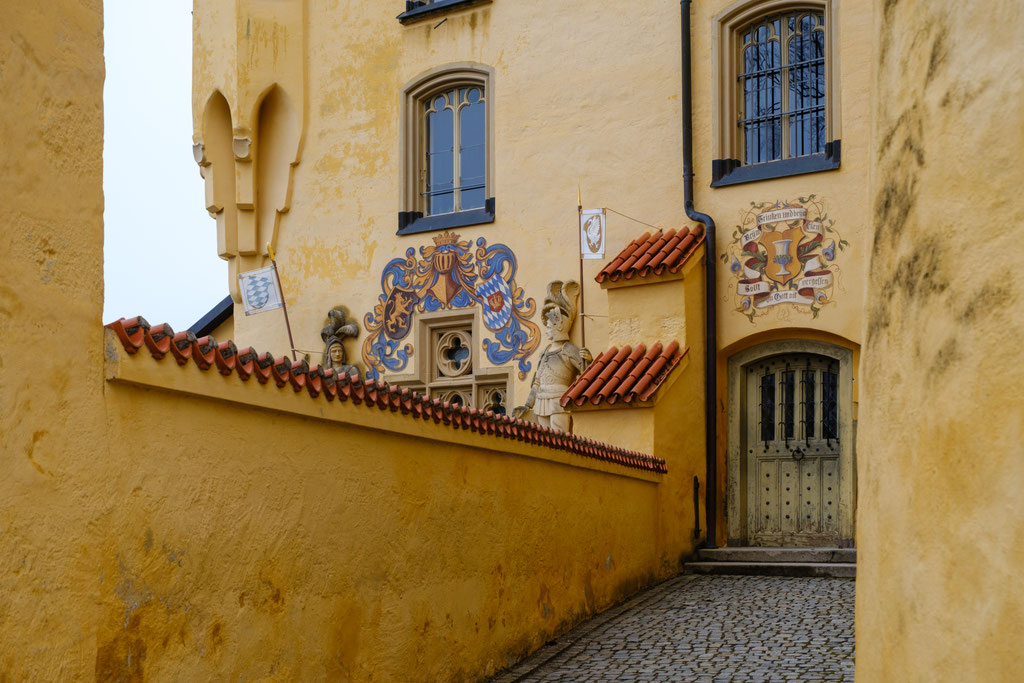
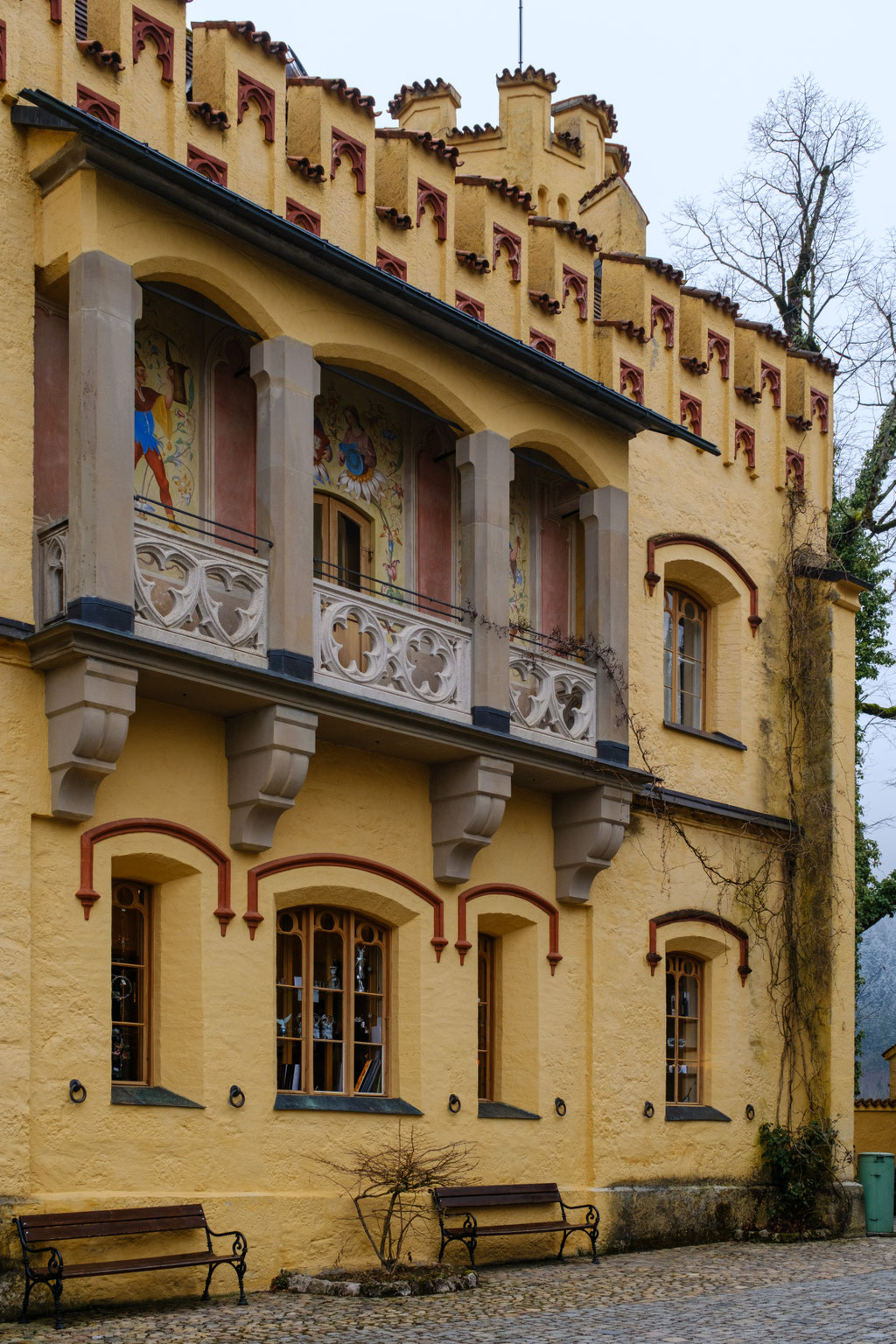
After visiting Neuschwanstein Castle, we walked up the stairs leading to the Hohenschwangau Castle, which is located just below Neuschwanstein. The walk through the castle's gardens is free of charge and usually offers stunning views of the Alpsee Lake. Unfortunately, due to the fog, we couldn’t fully appreciate the landscapes, but it was still a great experience to get a closer look at the castle itself. The castle’s surroundings and picturesque location add to its charm, making it a tranquil location to enjoy after the busier Neuschwanstein visit.
| Opening hours |
Summer: daily from 9 a.m. to 4.30 p.m.
Winter: daily from 10 a.m. to 4 p.m.
Admission | 21 EUR


Alpsee Lake
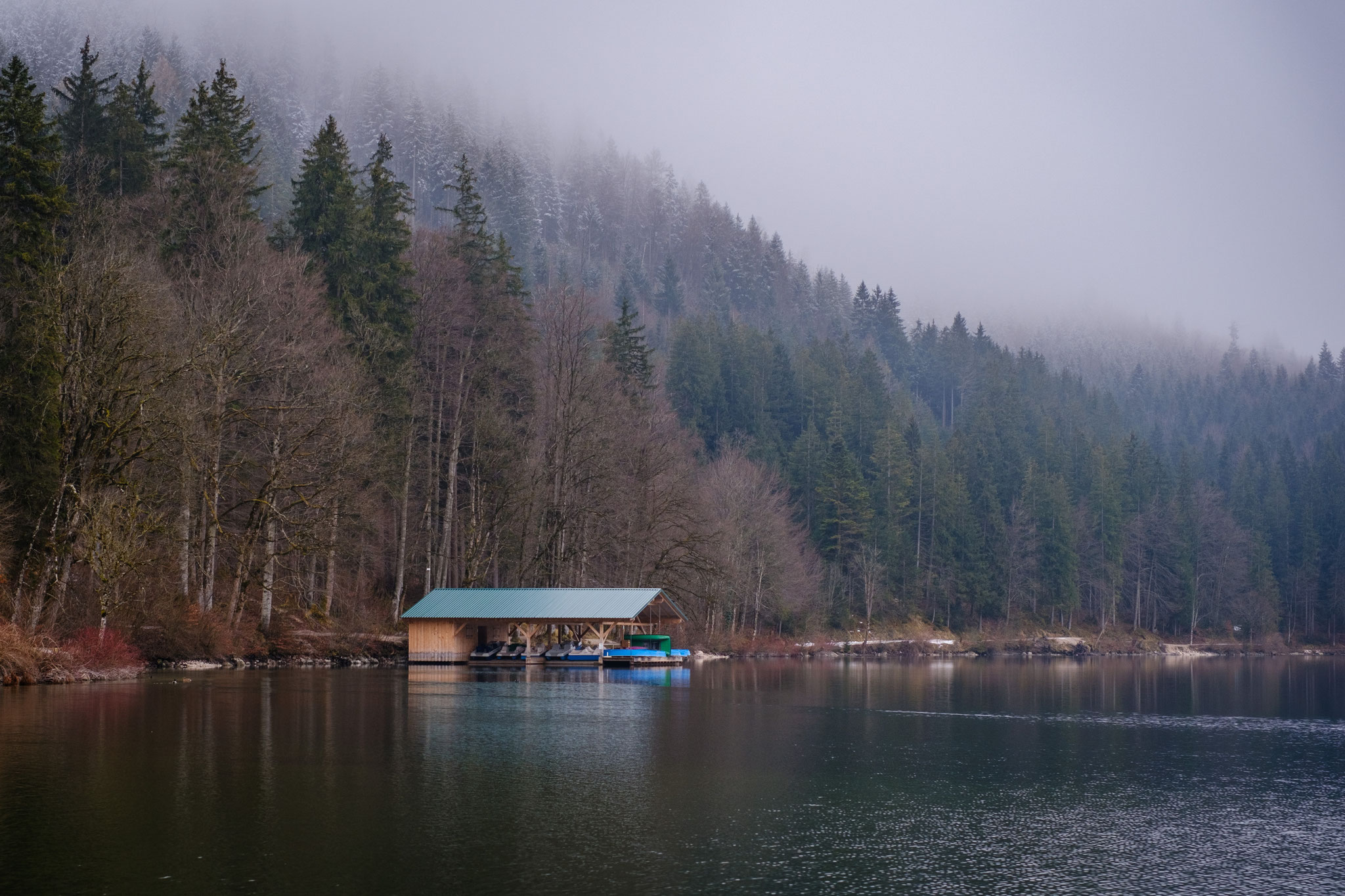
Located just a short walk distance from the two castles, Alpsee is a picturesque spot ideal for relaxing before or after your visit. Surrounded by lush forests and the towering Alps, the lake’s crystal-clear waters provide an authentic setting. Unfortunately, the foggy weather during our visit meant we couldn't fully appreciate the lake's beauty, but it’s still a must-see if you're in the area.
While we didn’t have time to complete the full circular trail, it’s definitely worth considering if you have more time. The 4.5-kilometer trail takes about an hour at a leisurely pace, offering breathtaking views of the lake, forest, and mountains. In winter, the lake is frozen, adding an enchanting touch, and in the warmer months, it’s a great spot for activities like paddle boating or swimming.


Discover more in the area
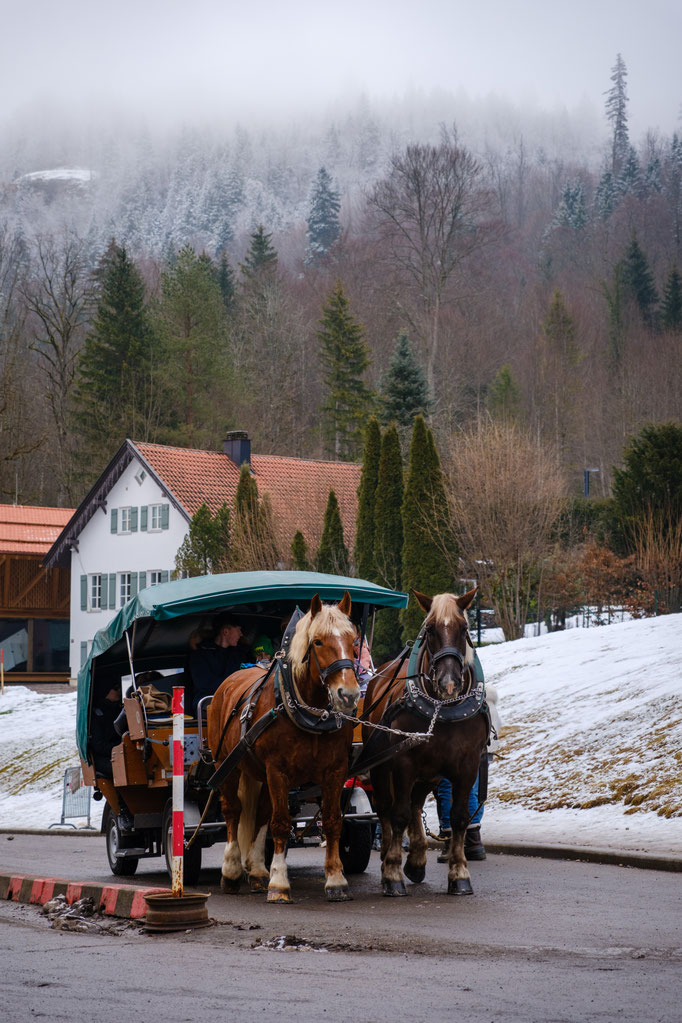
Although our first day was already full with visits to Füssen and Neuschwanstein Castle, the region has many more beautiful places to discover. If you have extra time, here are a few spots we can highly recommend.
Forgensee Lake
We visited Forggensee during our first trip to the area, and it really left an impression. The lake offers lovely views of the surrounding mountains and, on clear days, even the Neuschwanstein Castle in the distance. It’s a peaceful place, perfect for a relaxing walk along the shore or a boat trip on the water. If you’re looking for a quiet stop near Füssen, Forggensee is a great choice.
Tegelberg Mountain
Reutte Ski Resort
We visited Reutte a few years ago and had a really great time. Located just across the border in Austria, the resort offers good slopes and stunning natural scenery. It’s a wonderful place for skiing, and even non-skiers will enjoy the mountain views and peaceful atmosphere. If you’re in the area and enjoy winter sports, Reutte is well worth a visit (check out our post here).
DAY 2 - Bavarian Roads and Wonders
Plansee lake
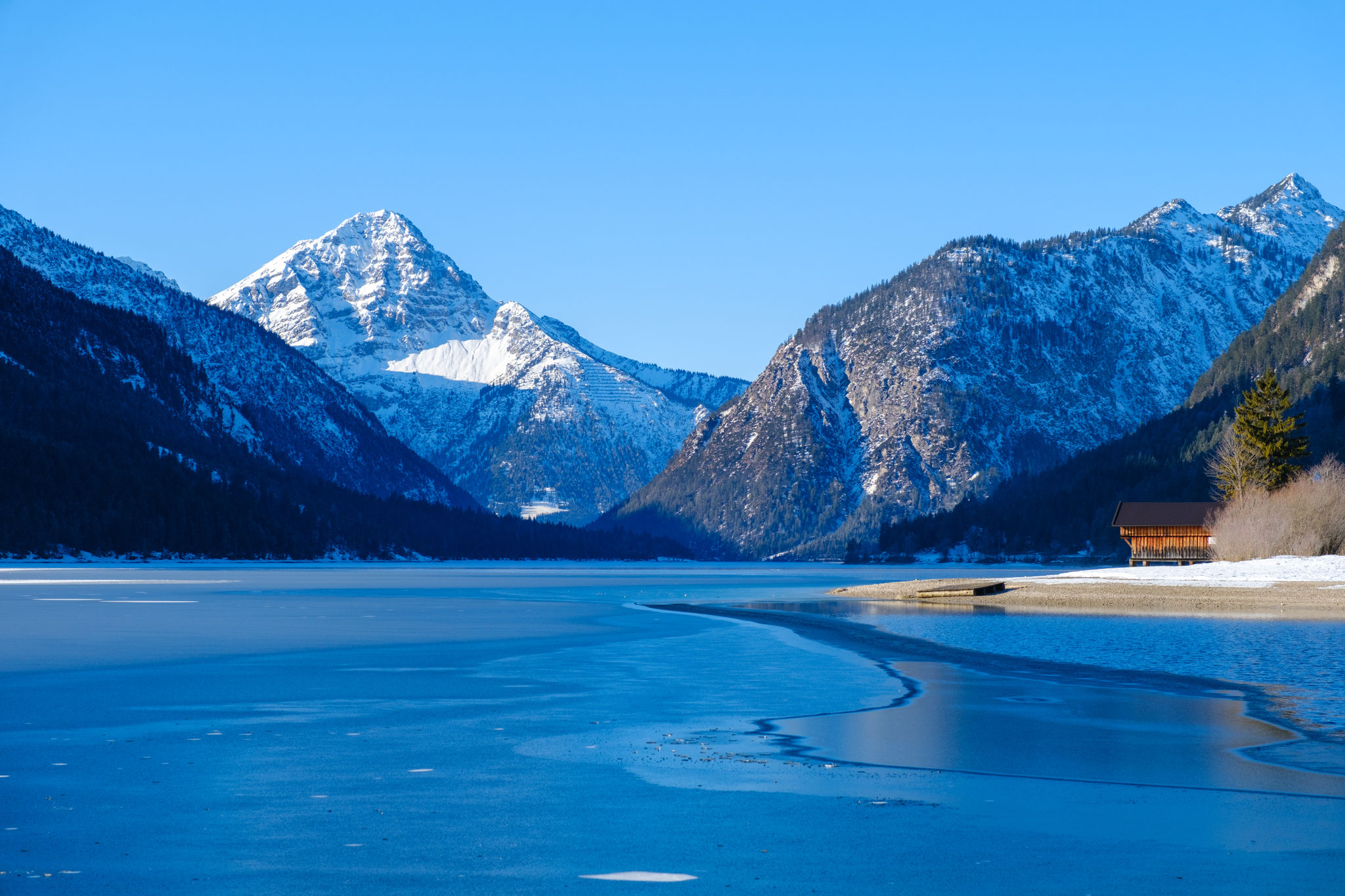
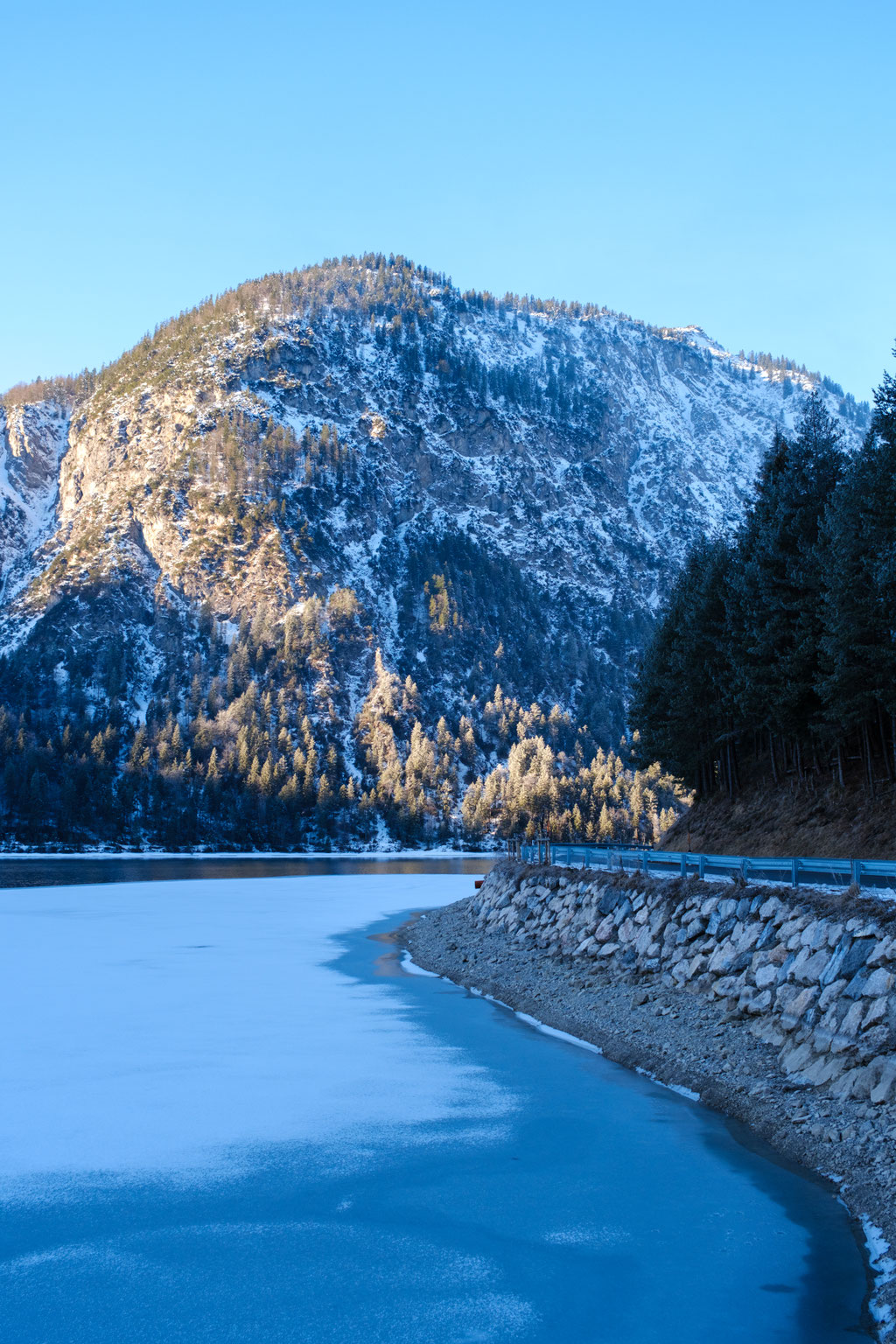
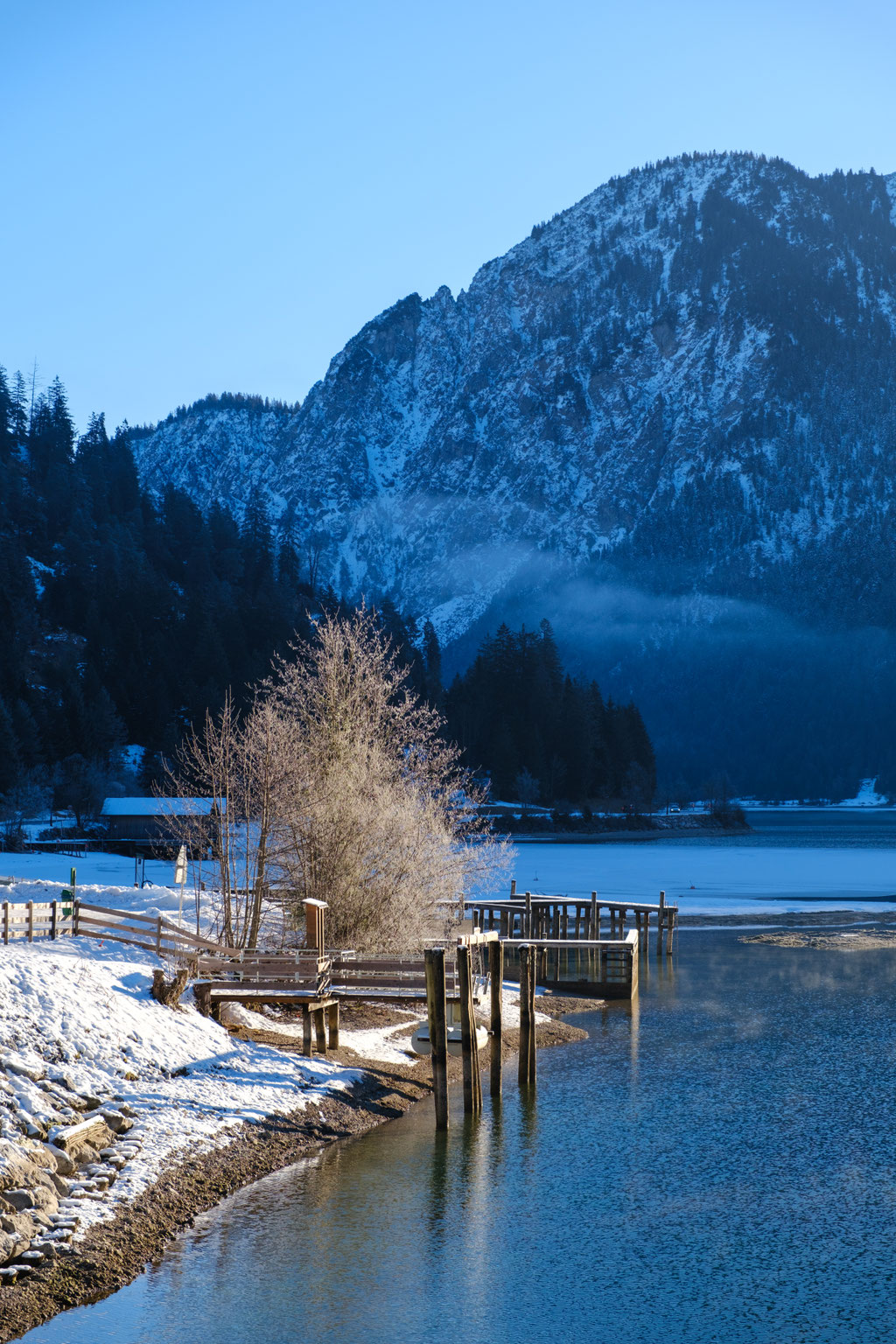
On the second day of our Bavarian adventure, we hit the road early to visit the Linderhof Palace, with our 11.30 a.m. timeslot already booked. There are two routes you can take to get there from Füssen. We chose the scenic drive through Plansee, a majestic lake located in Austria. The drive offered spectacular views, and despite crossing into Austria, the route isn’t any longer than the alternative one. Although we crossed into Austria, a vignette wasn’t needed since this stretch is a secondary road. For those continuing on Austrian highways, a vignette is required.
Driving through the Tyrol region was an unforgettable experience, with alpine scenery at every turn. We made a few stops along the shores of Plansee, where the frozen lake added to the winter magic. Though we couldn’t see its usual clear blue waters, the snow-covered peaks reflected beautifully on the icy surface, creating a stunning landscape. The scenic route through Plansee, surrounded by these natural wonders, made the journey to Linderhof Palace just as memorable as the destination itself. If we had more time, we would have loved to do the 14 km circular hiking loop around the lake, which takes about 3.5 to 4 hours.
Linderhof Palace
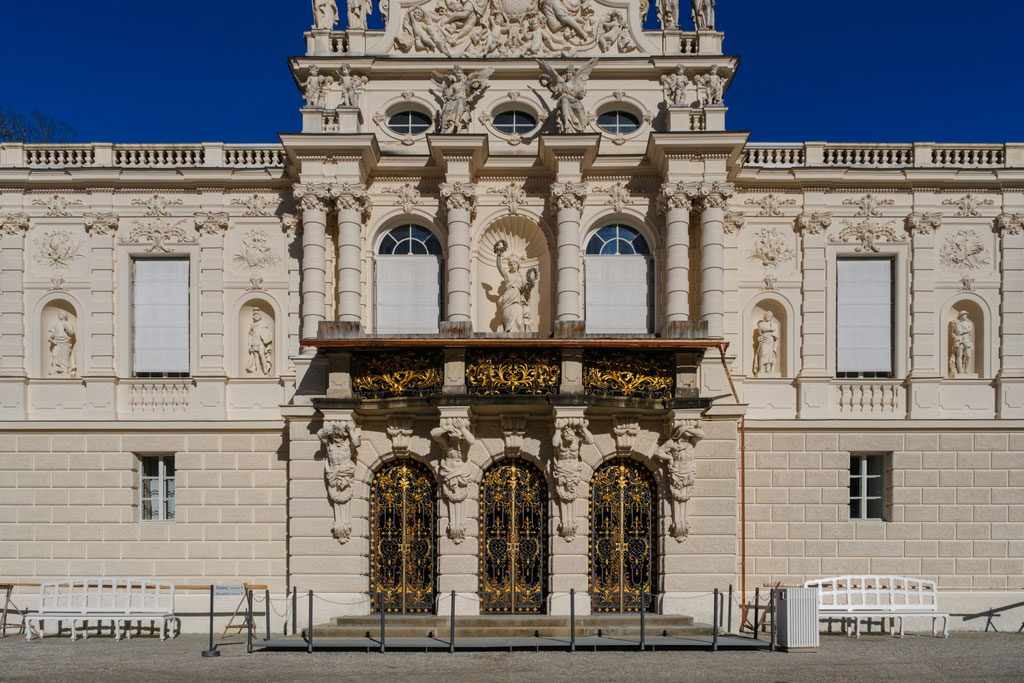
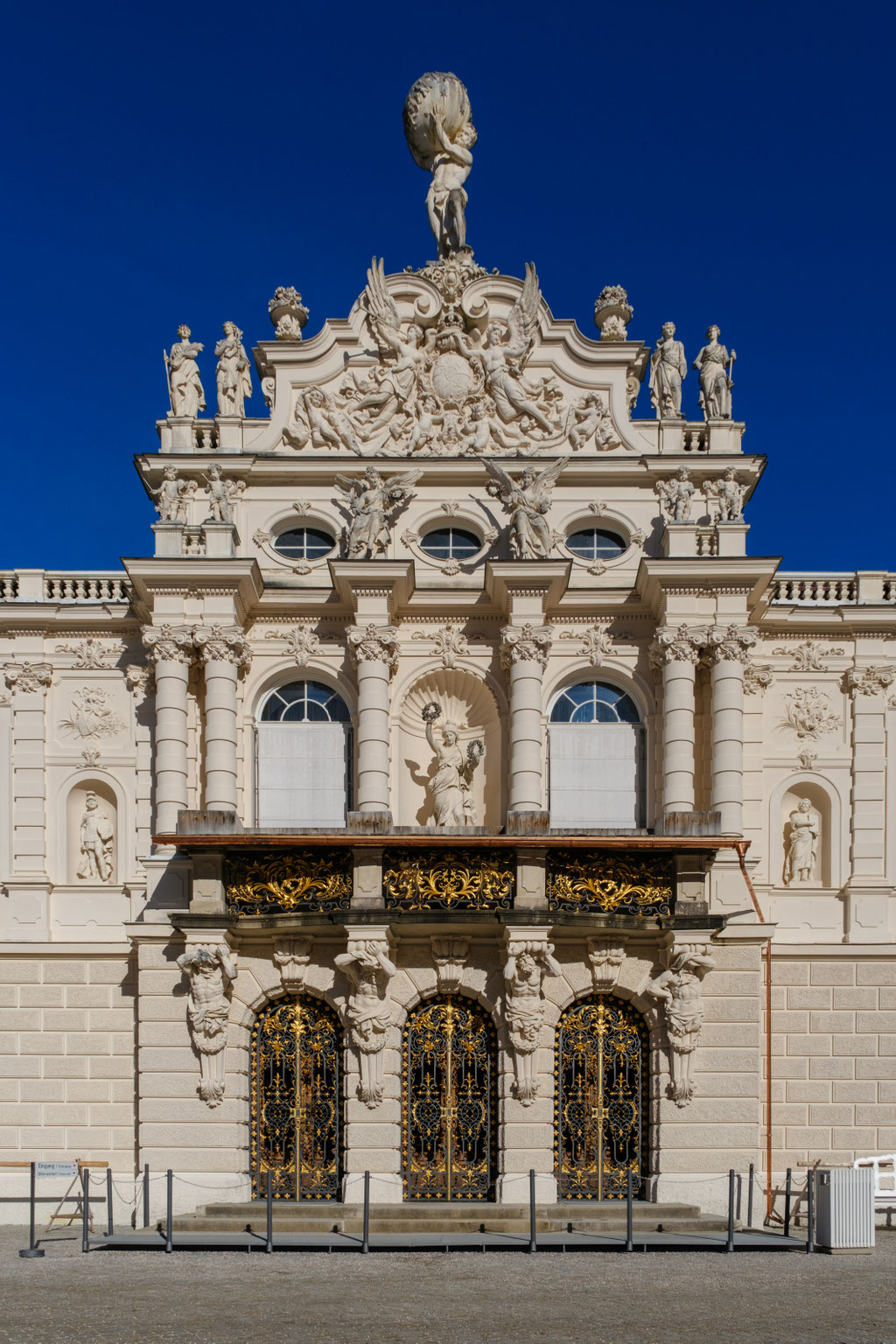
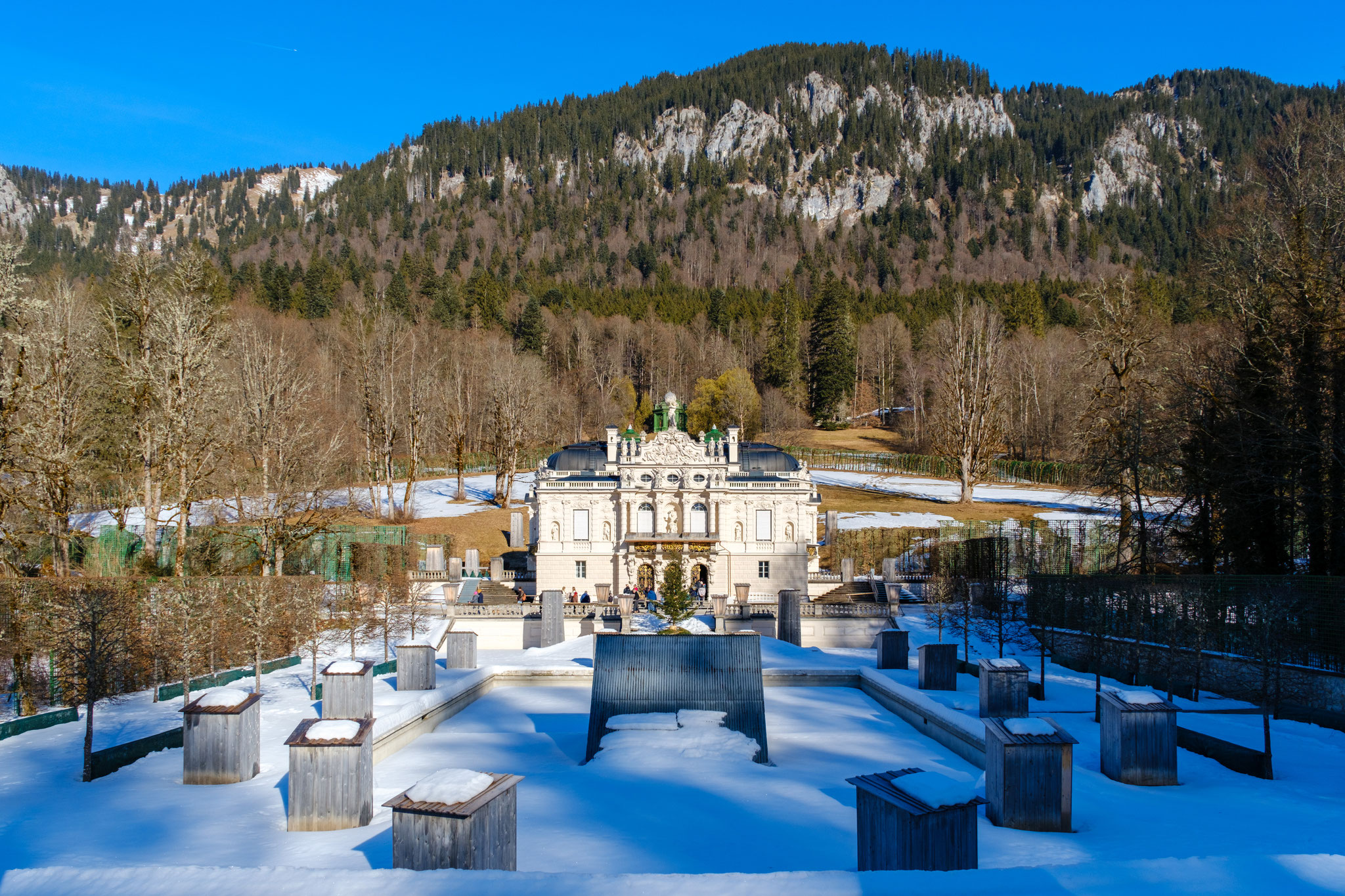
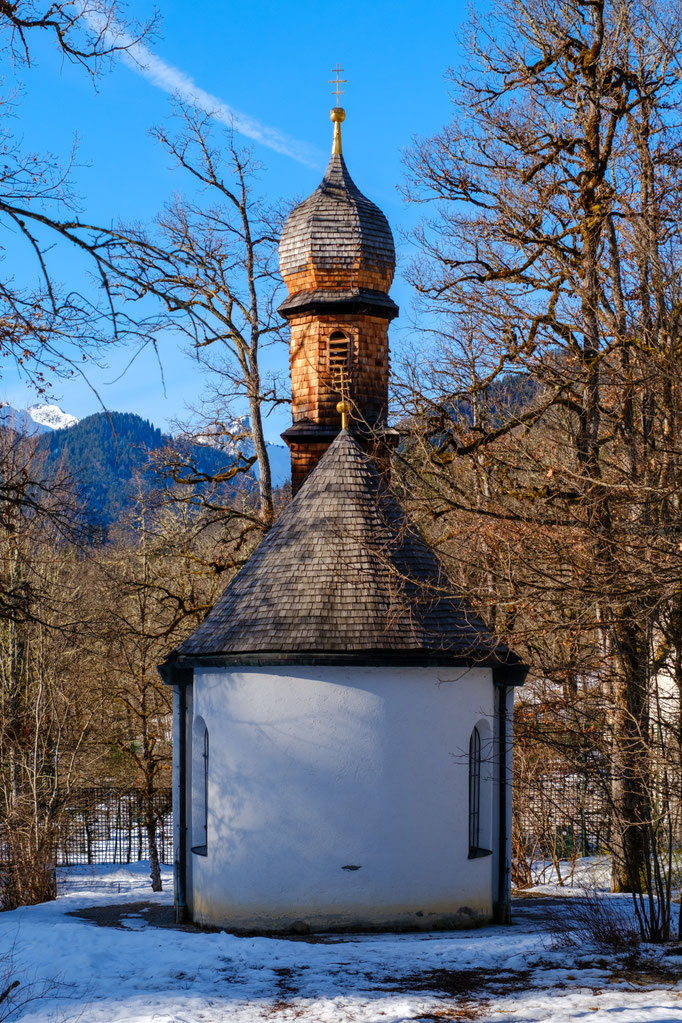
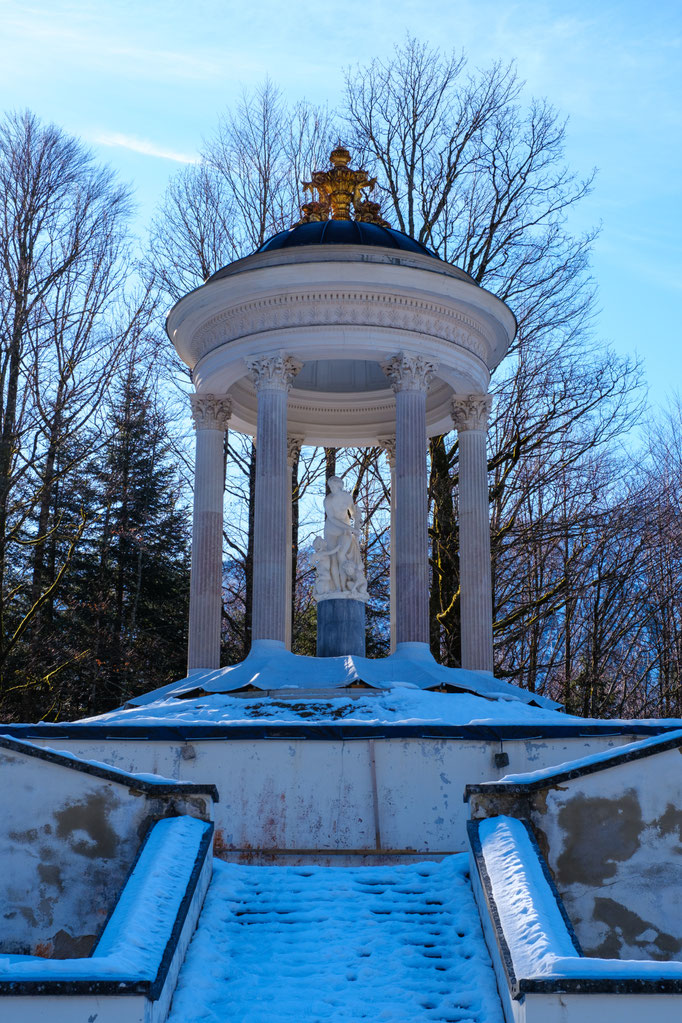
After a scenic drive through Plansee, we arrived at Linderhof Palace around 10.30 a.m., ahead of our scheduled time slot. This gave us time to explore the gardens, which are free to visit. Even in winter, the atmosphere was calm and peaceful, making it a peaceful walk. Some elements of the garden were hidden for the season, with statues wrapped for protection against the cold and several buildings covered with wooden structures to shield them from the weather. During winter, only the palace and the Royal Lodge are open. Other buildings, such as the Moroccan House, Moorish Kiosk, and Hunding's Hut, are closed from mid-October to mid-April. The Venus Grotto was also under renovation during our visit, so we didn’t get to see it this time.
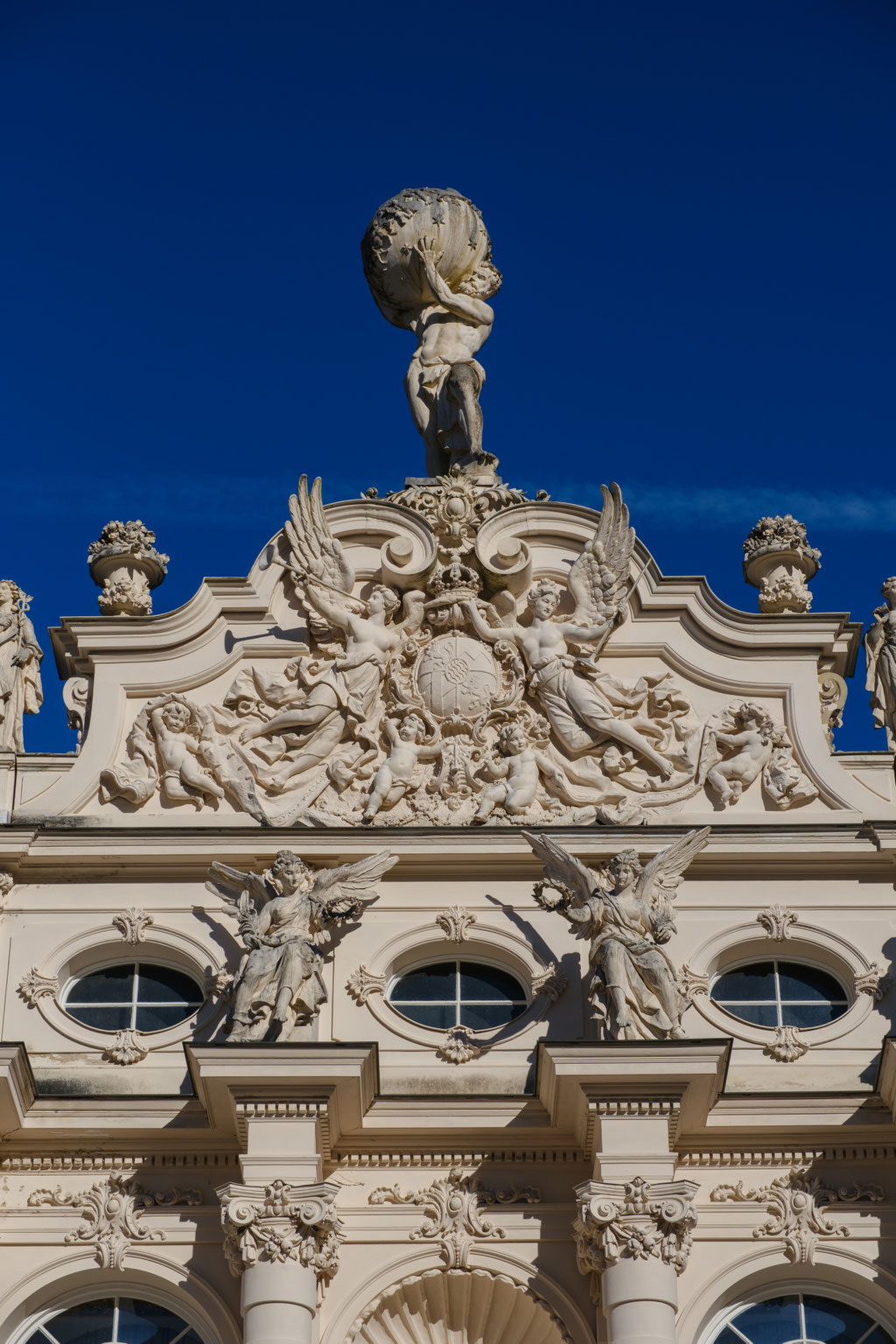
After our walk through the gardens, we headed to the palace for the 30-minute guided tour. Linderhof was built by King Ludwig II in the late 19th century and is the smallest of the three castles he commissioned. Despite its size, it is incredibly impressive. Inspired by the Palace of Versailles, it reflects Ludwig’s love of art, luxury, and nature. Designed in a neo-French Rococo style, Linderhof was meant to be a private retreat, a place where he could escape the pressures of royal life.
King Ludwig II, often called the “Mad King”, lived a very lonely life and was a deeply romantic figure. His personal life was the subject of much speculation. He admired Louis XIV and saw himself as the “Moon King”, in contrast to the “Sun King”. He never married, and his private life has long been the subject of speculation. His close relationship with composer Richard Wagner, with whom he exchanged hundreds of letters, has also attracted much attention. For Ludwig, Linderhof was above all a place of peace, beauty, and solitude.
| Opening hours |
Summer: daily from 9 a.m. to 6 p.m.
Winter: daily from 10 a.m. to 4.30 p.m.
| Admission |
13 EUR (Palace & Park buildings)
10 EUR (Linderhof only)


Ettal Abbey
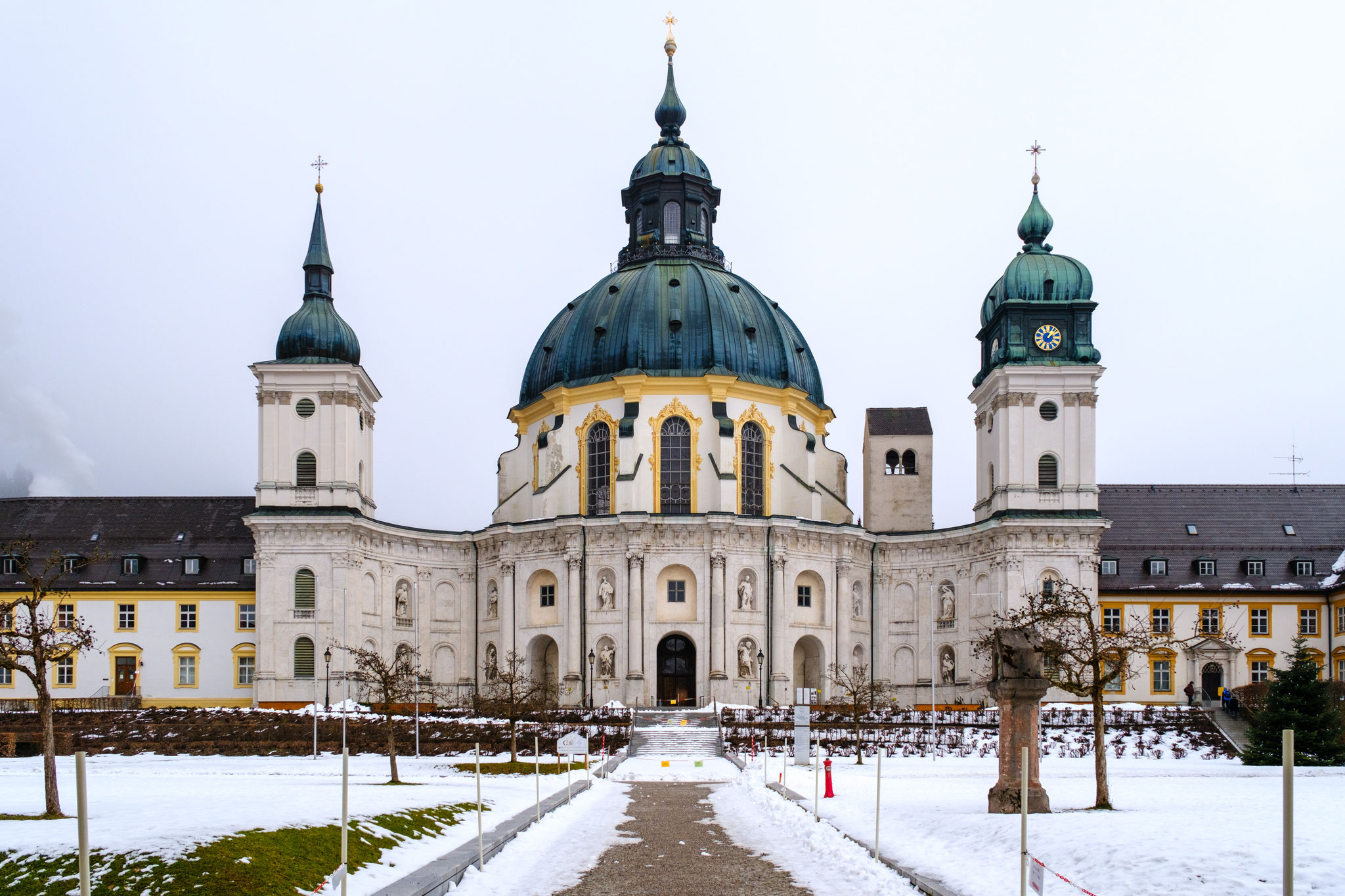
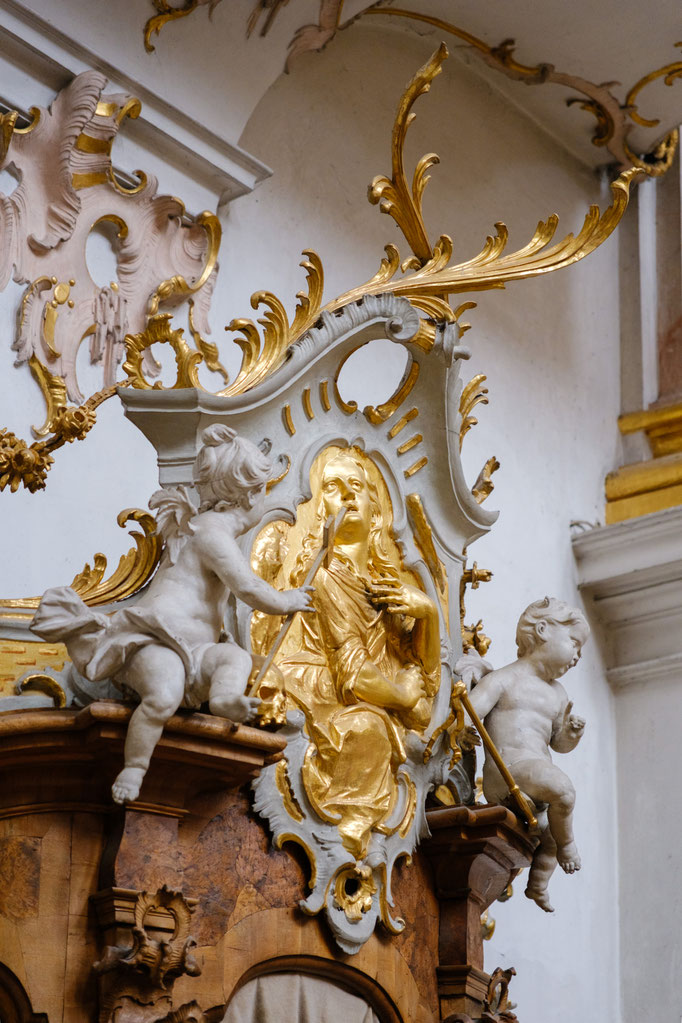
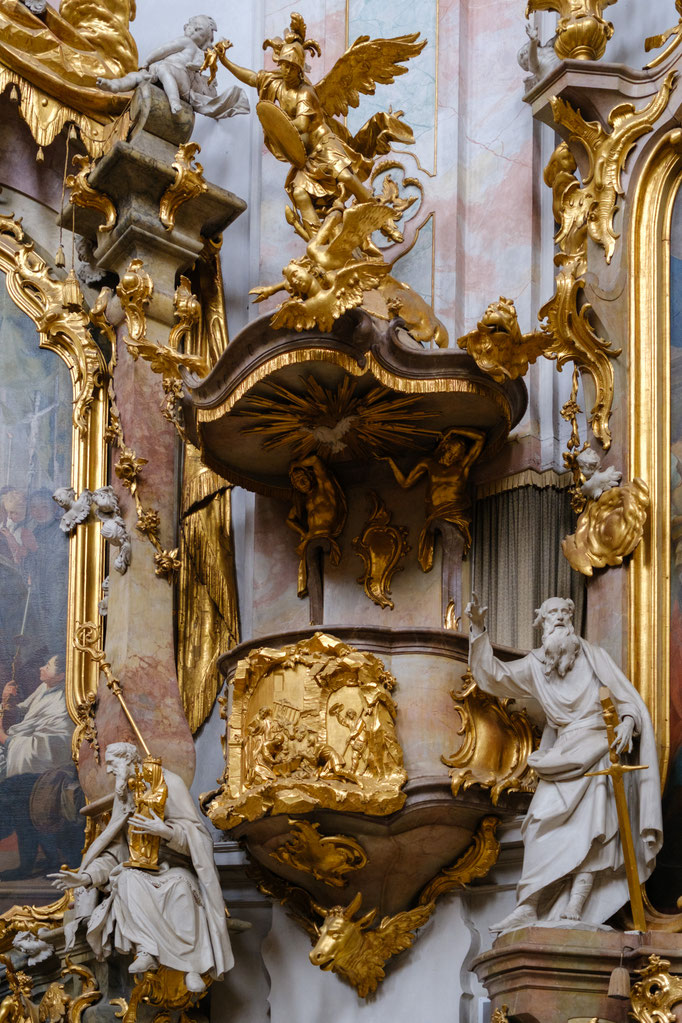
After visiting Linderhof Palace, we drove about 15 minutes to Ettal Abbey. The roads were clear, but in winter, conditions can change quickly, so it is always a good idea to check the weather before driving. We had originally planned to visit Wies Church, famous for its beautiful Rococo interior, but as we had chosen the scenic route through Austria via Plansee, we decided to stop at Ettal Abbey instead.
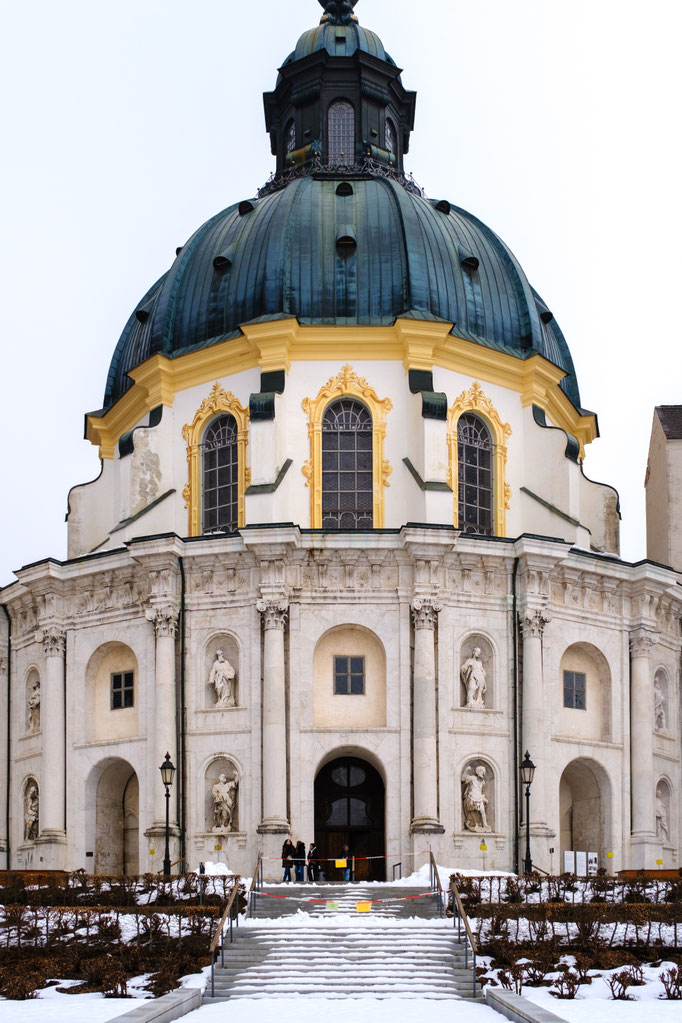
Ettal Abbey was founded in 1330 by Emperor Ludwig the Bavarian and is a Benedictine monastery. It is a remarkable example of Baroque architecture, with a large dome, detailed frescoes, and a calm, peaceful atmosphere. The abbey is also well known for its brewery and liquor shop, but unfortunately both were closed when we visited on a Sunday.
Even though our stop was short, we really enjoyed visiting the abbey. It was a quiet place that gave us a glimpse into the region’s religious and historical past. After our visit, we got back in the car and continued our journey to the final stop of the day: the Eibsee Lake.
| Opening hours - from 8.30 a.m. to 6 p.m. |
| Admission - free of charge |


Eibsee Lake
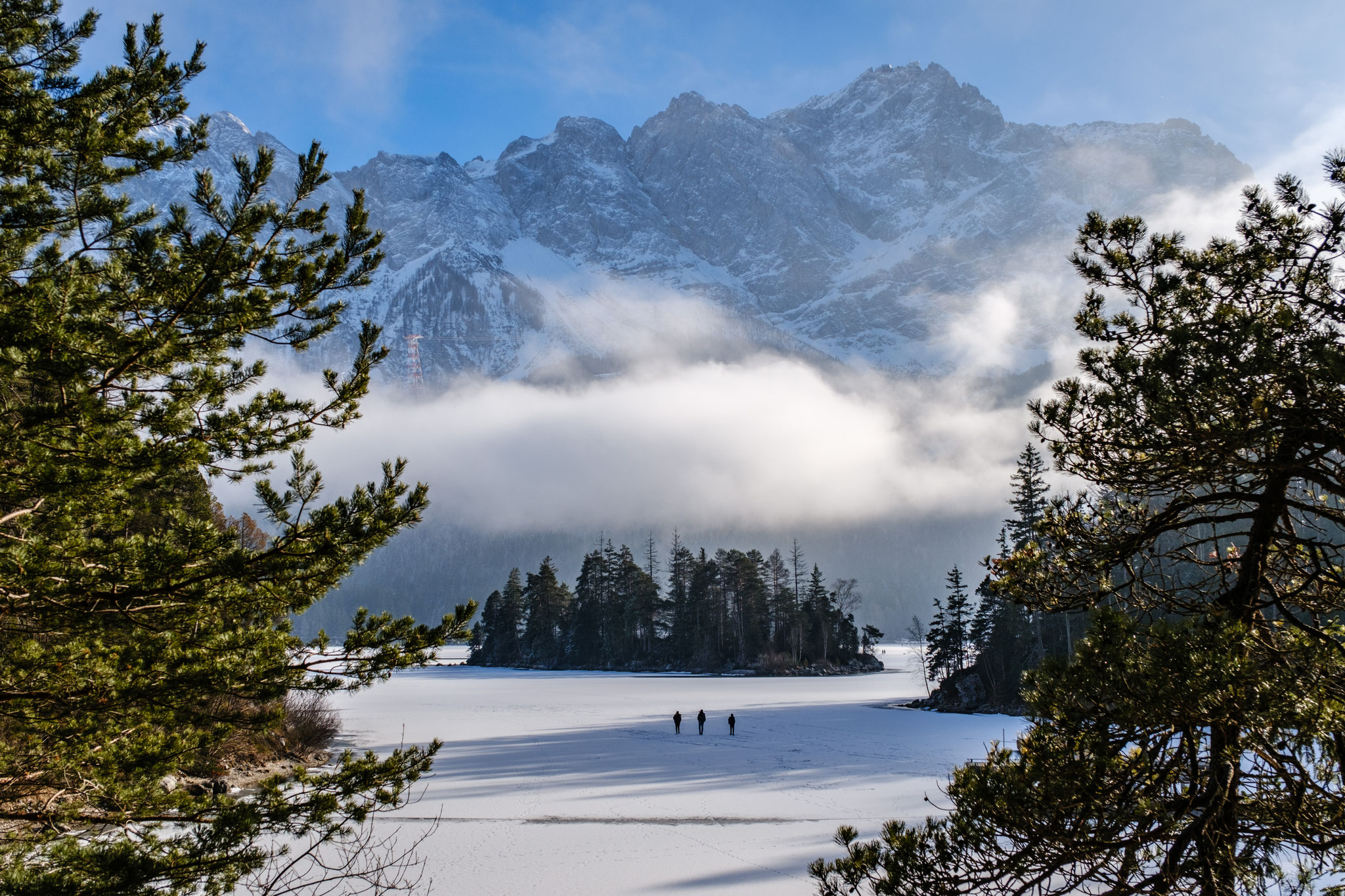
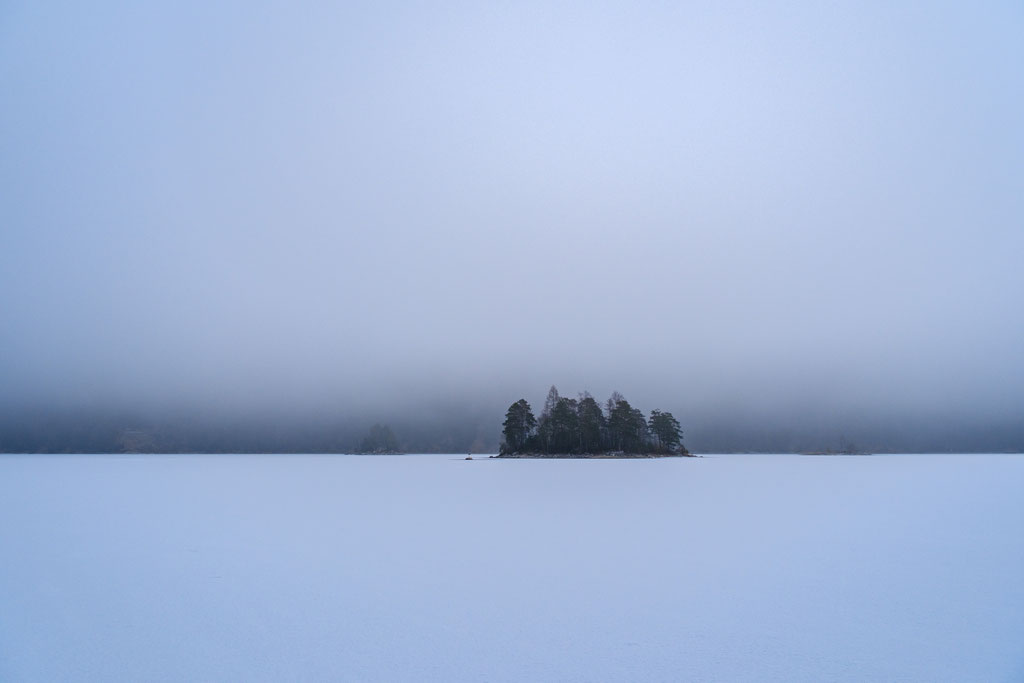
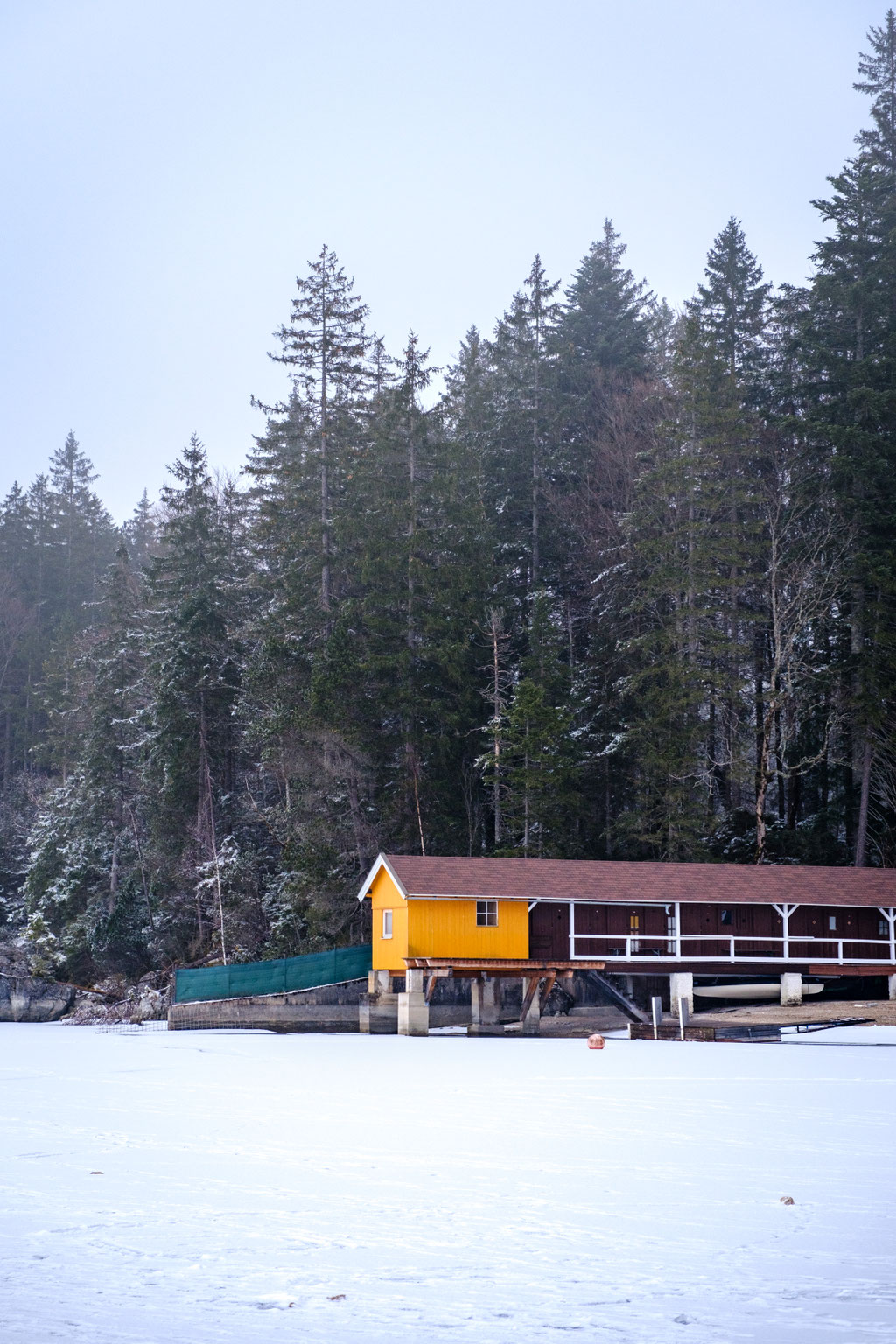
After a quick stop at Ettal Abbey, we headed towards the stunning Eibsee, the final stop of the second day of our Bavarian road trip. We had originally planned to visit the village of Oberammergau that day, but since we wanted to do a proper hike around the lake, we decided to save this Bavarian village for the last day of our trip. Eibsee is famous for its crystal-clear waters and spectacular mountain views — the ideal spot to relax after a busy day of sightseeing.
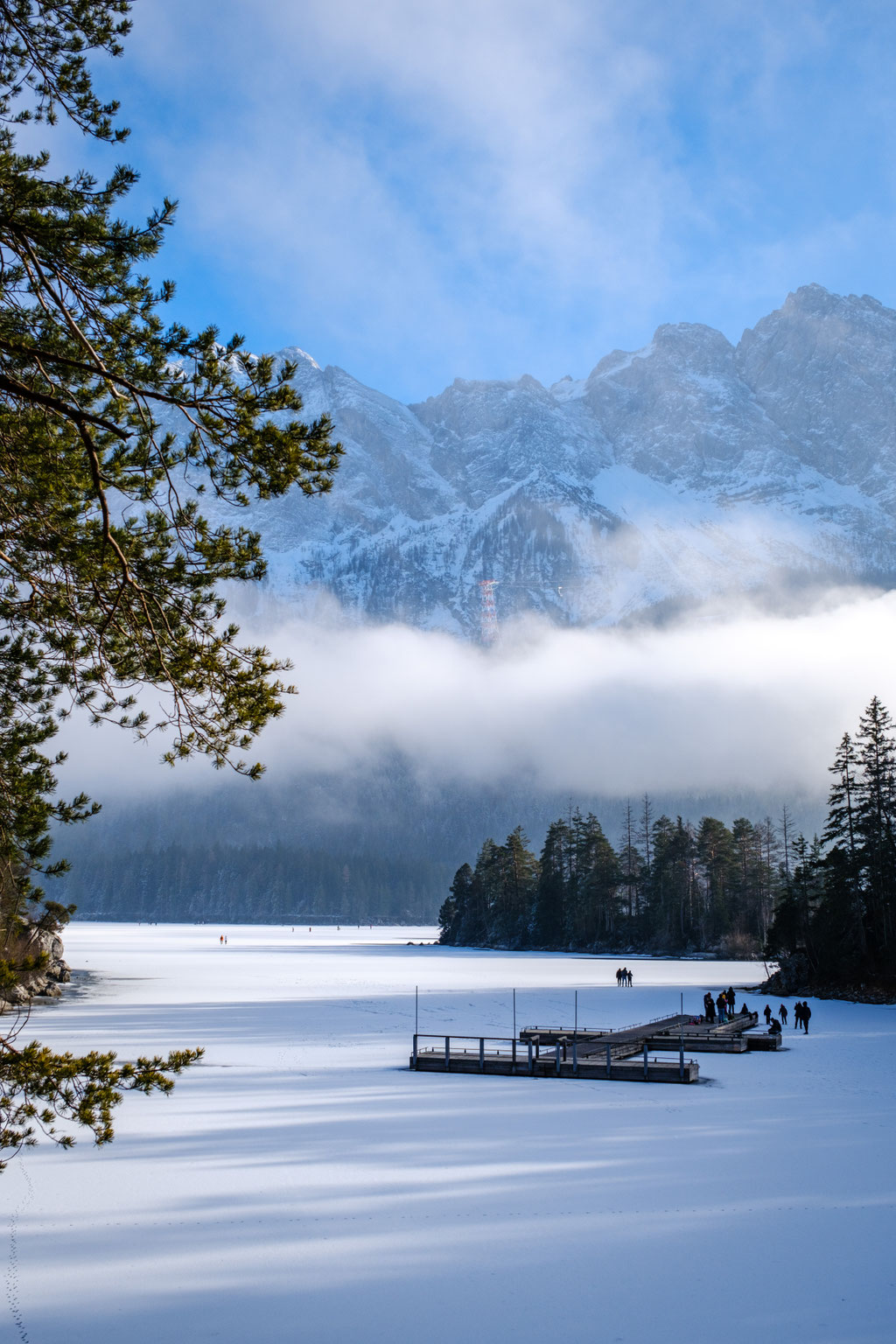
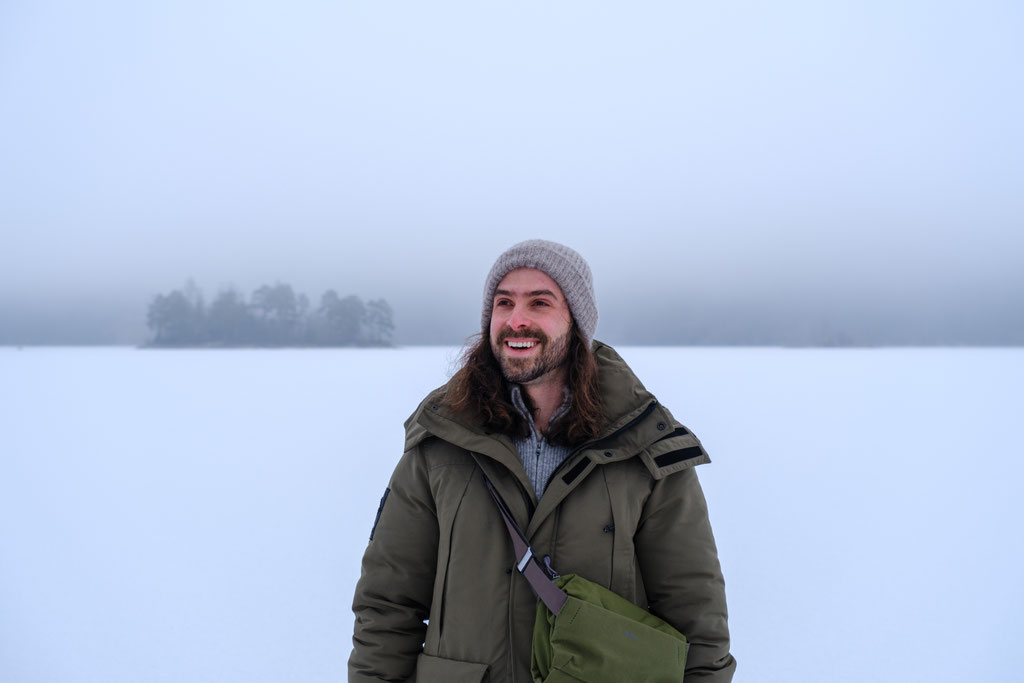
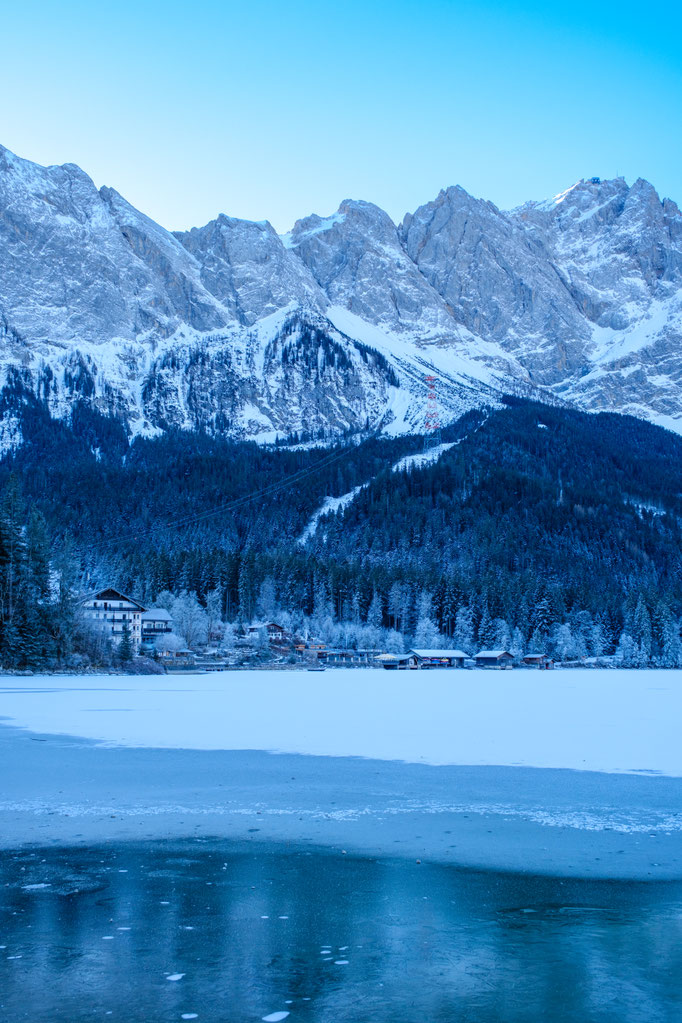
We parked at Parking Eibsee, which costs 9 EUR for four hours (1 EUR per extra hour) — a price we found quite high. From there, we set out on the scenic 7-km loop trail around the lake. The hike took us about two hours, and although the fog reduced the visibility, the trail still offered beautiful views. The northern shore, in particular, provided some of the best photo opportunities, with views of the Wetterstein mountains. Along the way, we passed through forests and enjoyed the peaceful atmosphere of this natural wonder.
After completing the hike, we drove to our accommodation in Garmisch-Partenkirchen, the famous ski resort town and home to Germany’s highest peak, the Zugspitze. We ended the day with a cozy dinner in town, enjoying delicious local food and reflecting on the unforgettable experiences of the day.



Discover more in the area
Our second day was very full, and since we wanted enough time to complete the loop trail around Eibsee, we decided to skip a few places in the Linderhof area. However, if you have more time, there is a beautiful nearby spot we highly recommend: Wies Church.
Wies Church (Wieskirche)
Wies Church is a UNESCO World Heritage site and one of the finest examples of Rococo architecture in southern Germany. Set in a peaceful countryside location, the church is known for its stunning frescoes, delicate decorations, and the famous statue of the Scourged Christ, which has attracted pilgrims for centuries. The interior is a true masterpiece, with golden details, intricate carvings, and beautifully painted ceilings that create a light and elegant atmosphere. Located not far from Linderhof, Wies Church is well worth a stop for anyone interested in art and architecture.
DAY 3 - GARMISCH AND THE BAVARIAN PEAKS
Garmisch-Partenkirchen
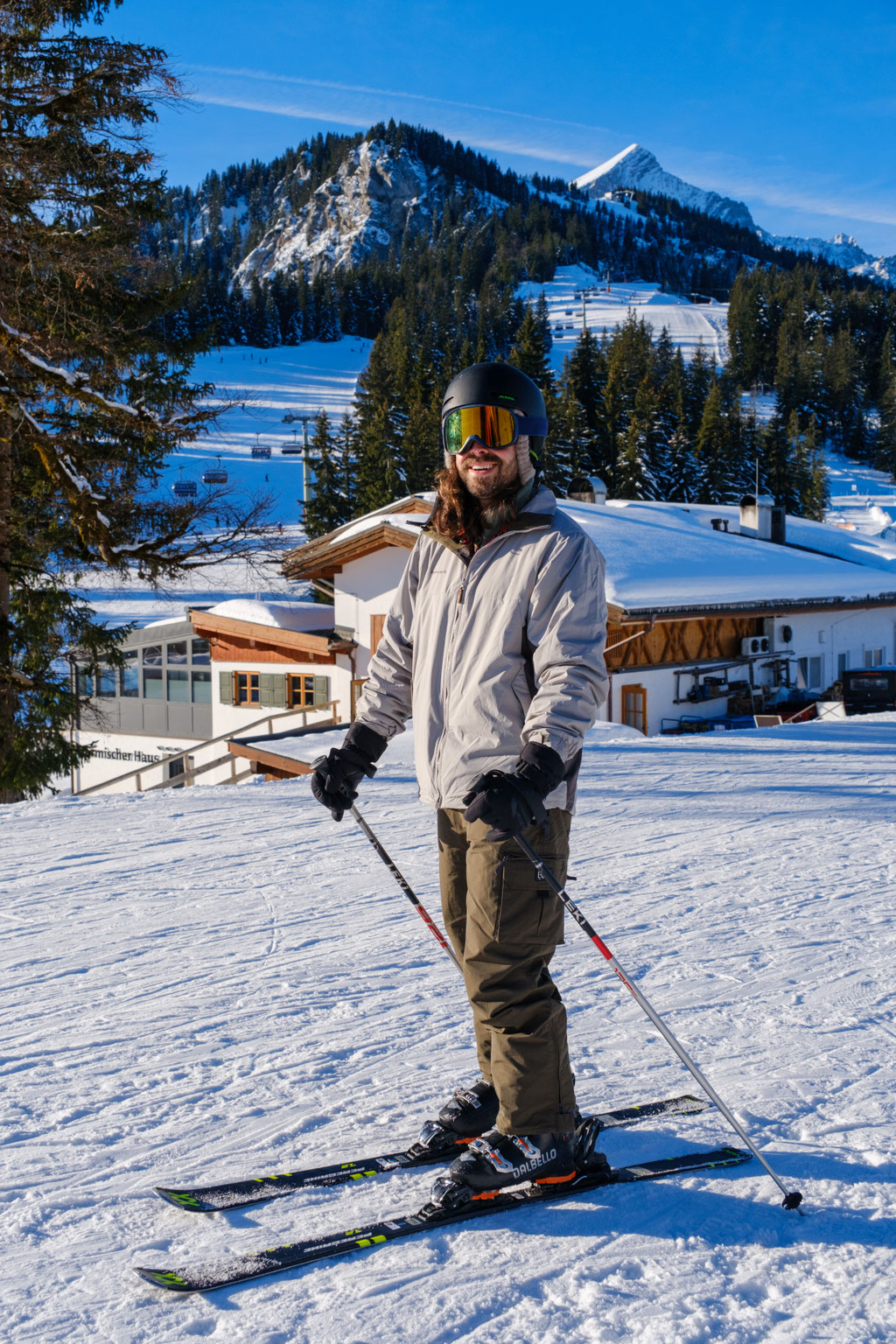
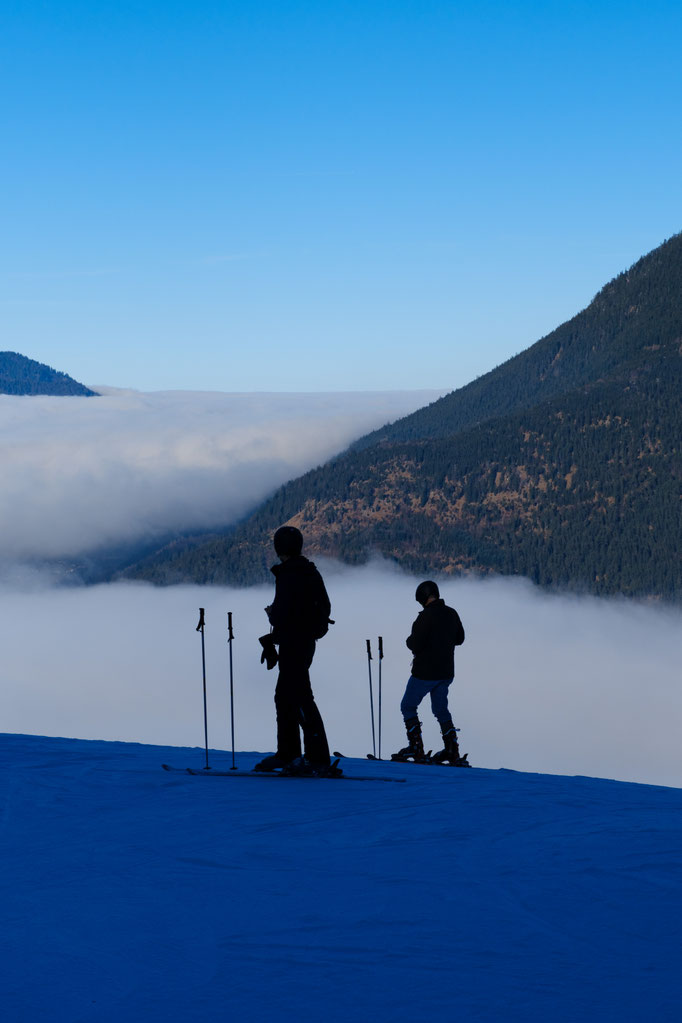
On the third day of our road trip, we dedicated the day to skiing. After not getting the chance to hit the slopes in the French Alps over the December holidays, we were excited to make the most of our time in Garmisch-Partenkirchen, one of Germany's top destinations for winter sports. With its stunning alpine setting, it was the perfect spot to enjoy a full day on the slopes.
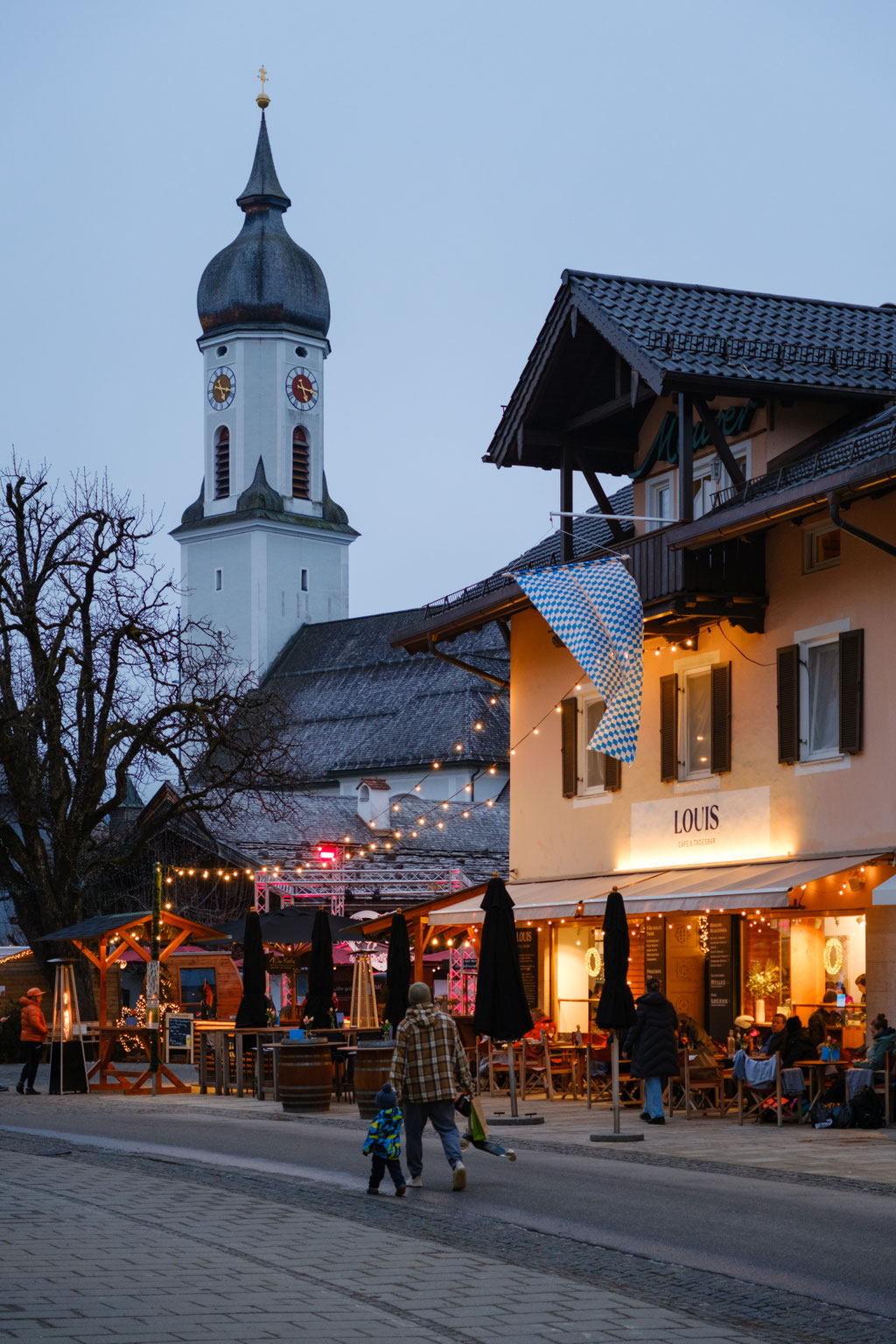
For those who aren’t into skiing, the area offers plenty of other things to do. Garmisch-Partenkirchen was originally two separate towns. Partenkirchen feels historic and traditional, while Garmisch is a bit more modern but still charming. The surrounding region is ideal for scenic walks, with quiet trails, lakes, and amazing mountain views. One great option is the Hammersbacher Fußweg, a peaceful path through nature with small wooden cabins, reminiscent of the Dolomites.
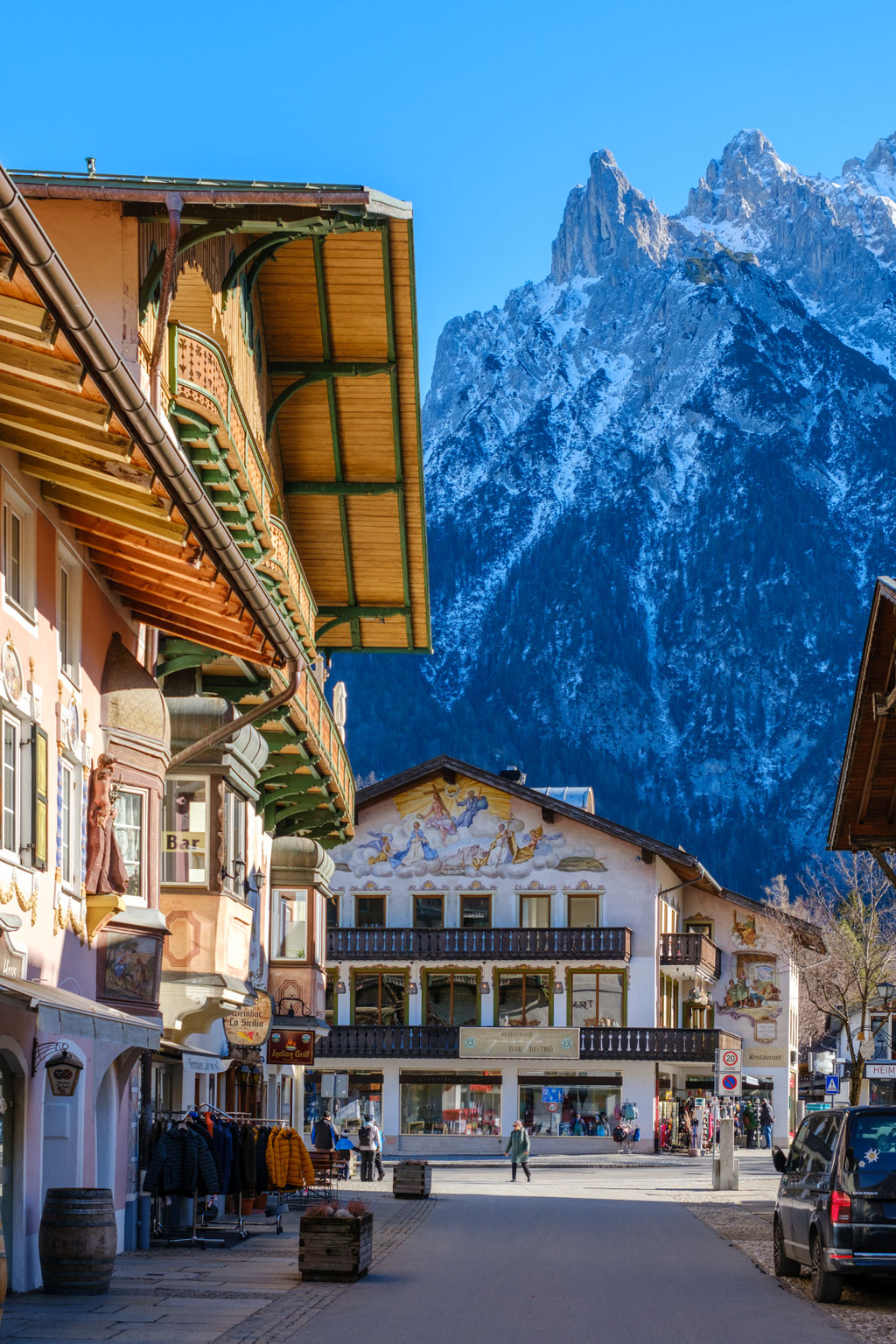
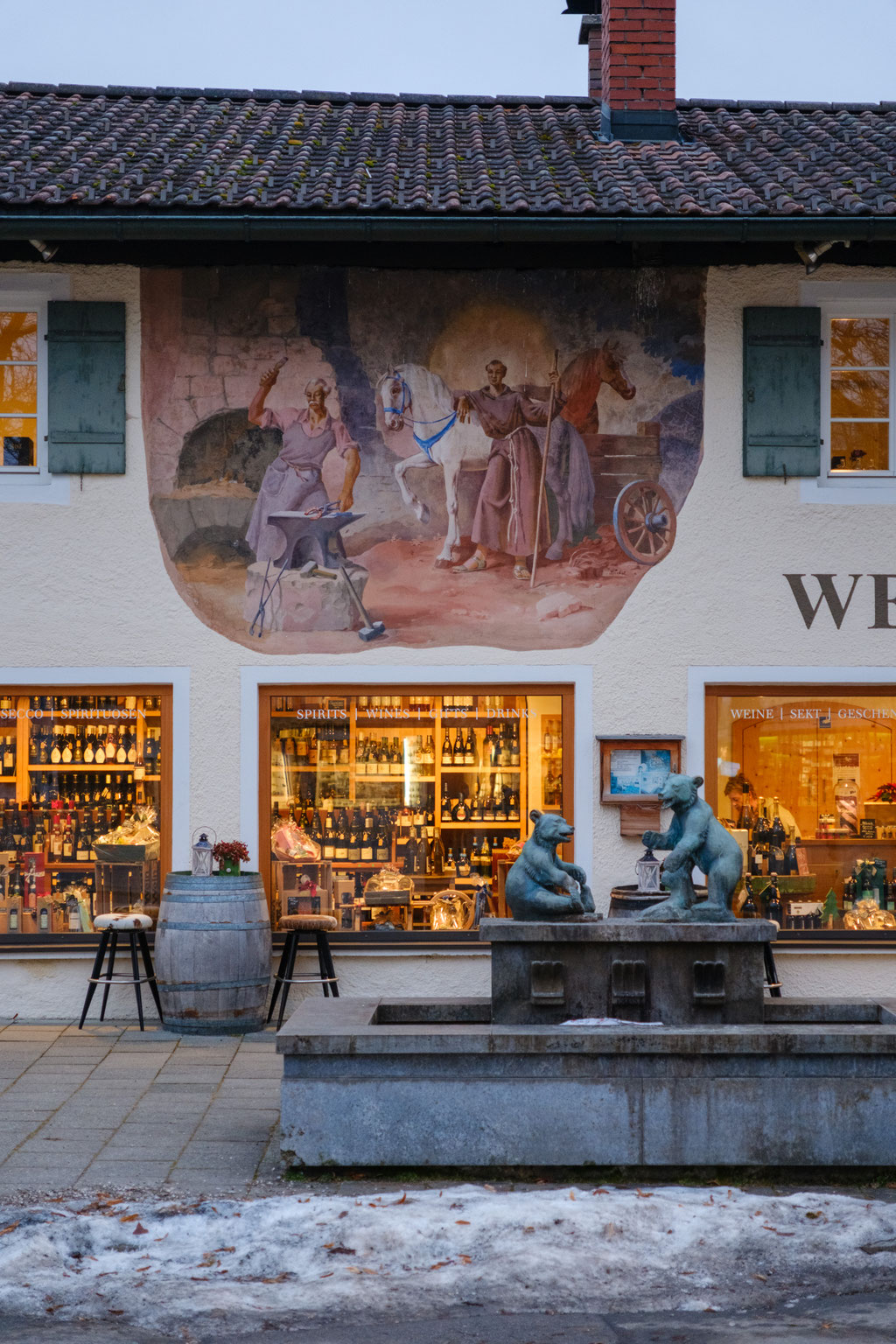
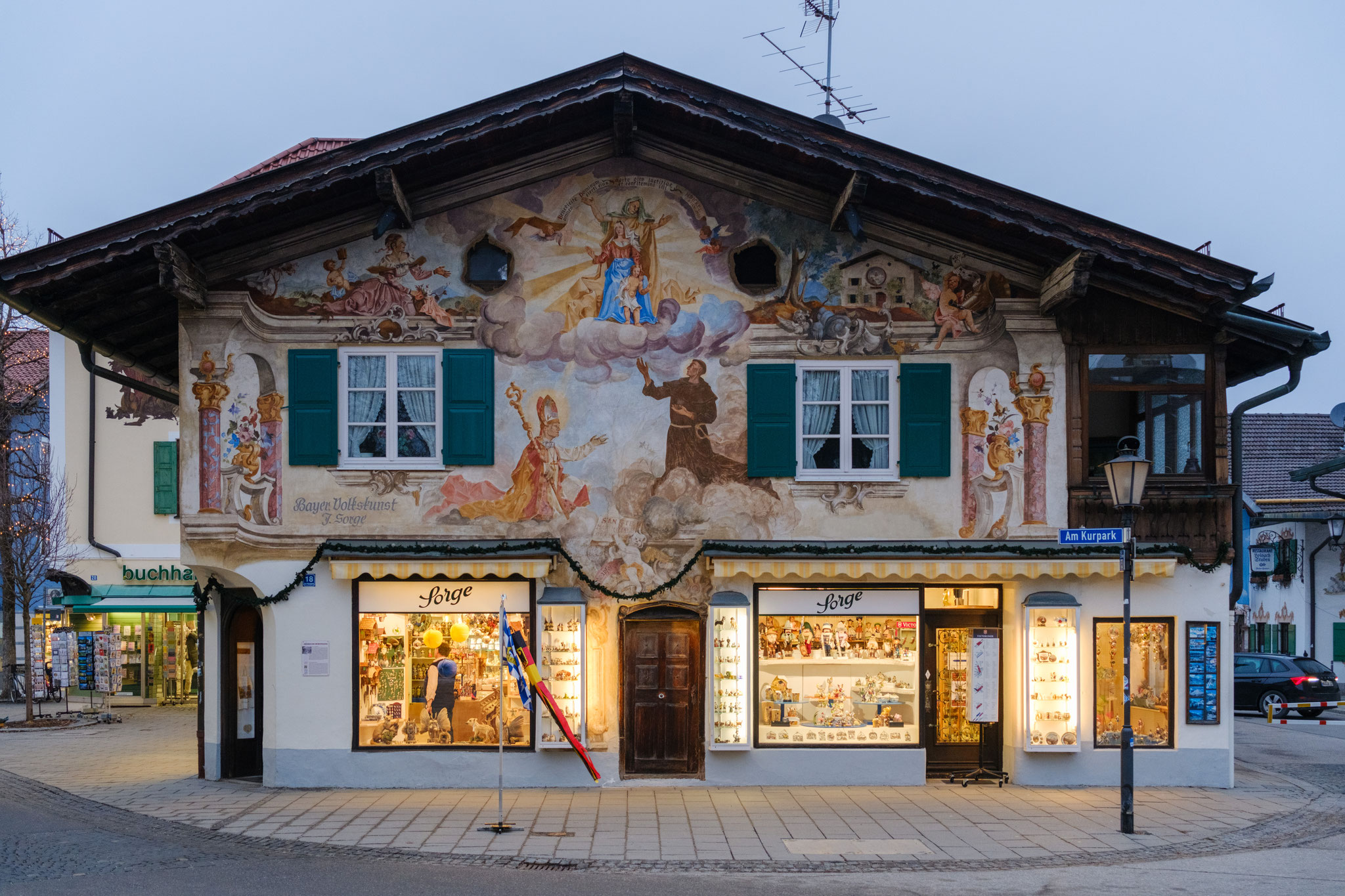
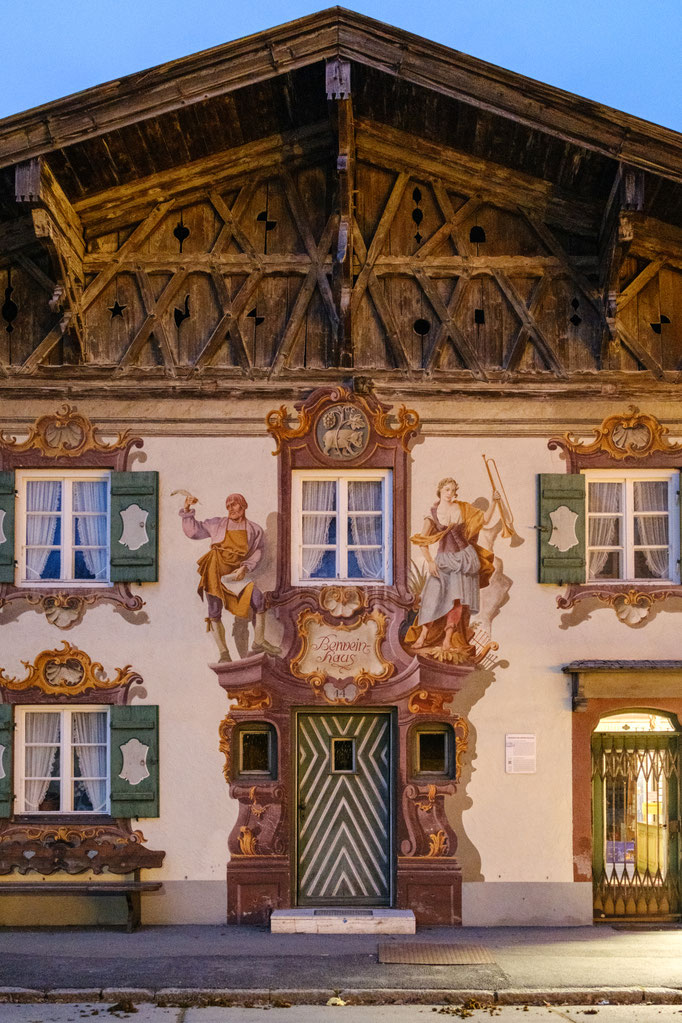
While exploring the streets, we also admired the Lüftlmalerei — colourful painted houses that tell stories of local culture and folklore. Although Garmisch is charming, we found nearby villages like Mittenwald and Oberammergau (more details below) even more picturesque and full of traditional Bavarian character.

Garmisch Ski Resort
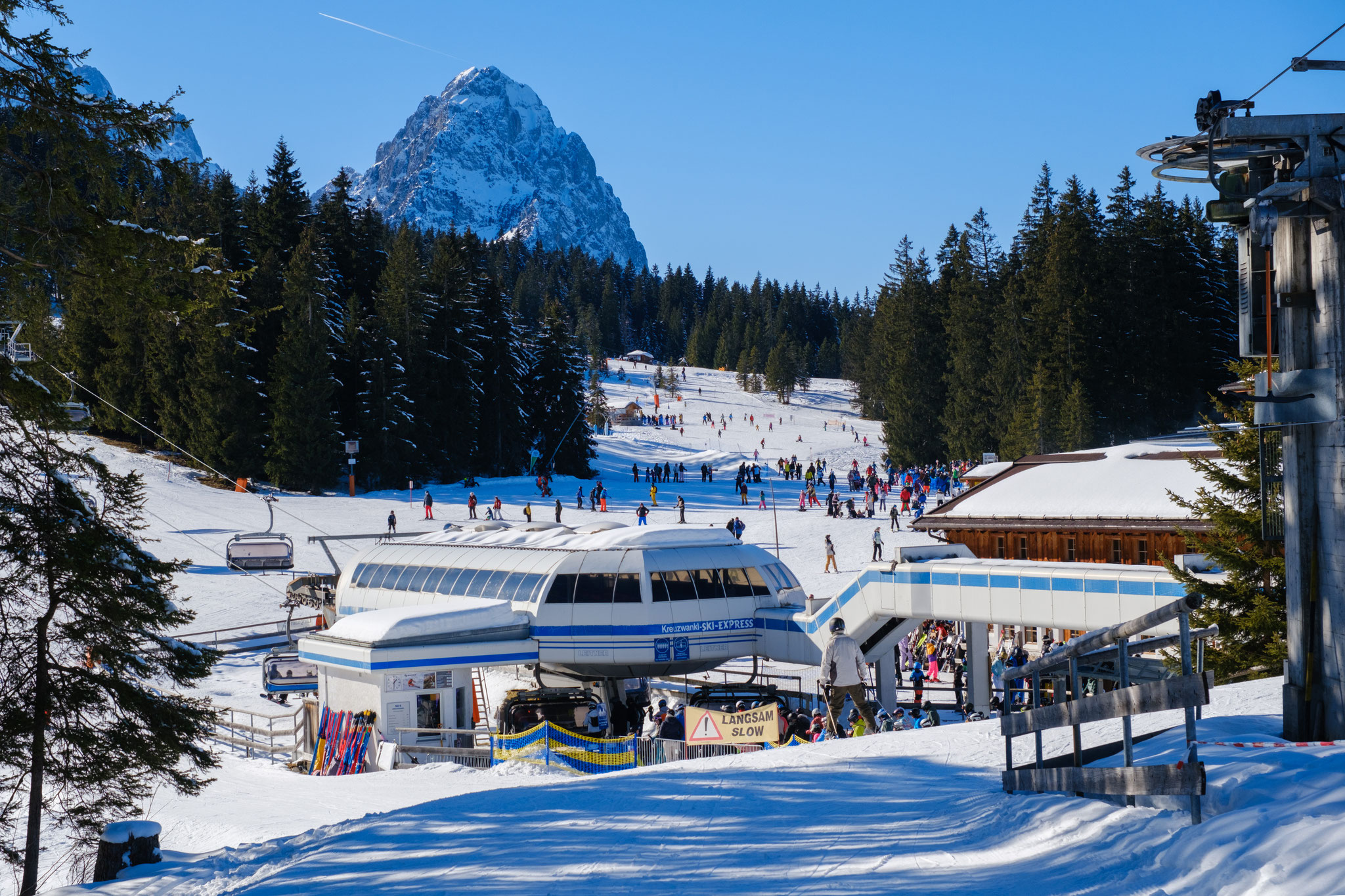
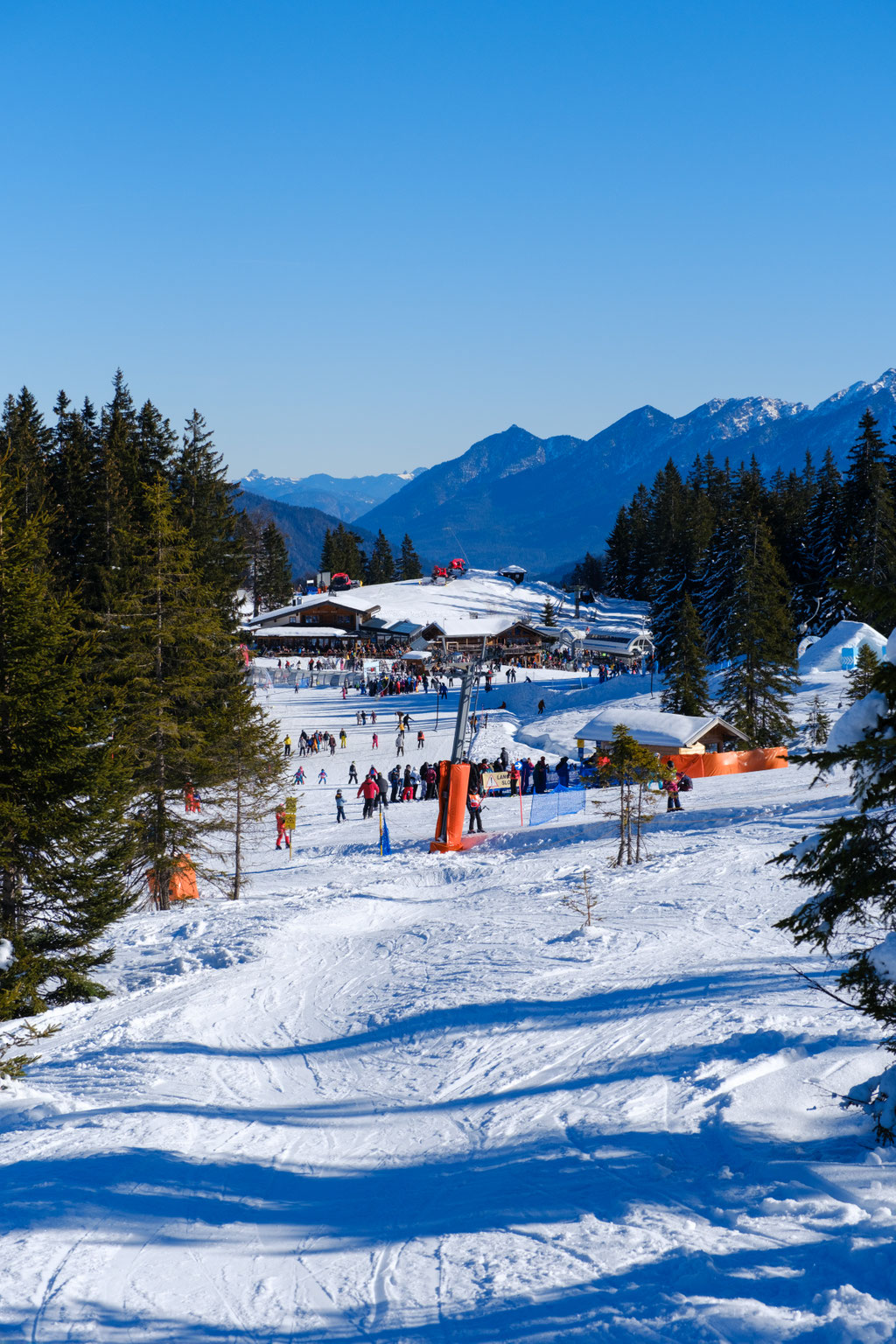
For our ski day, we rented our equipment the evening before so we could hit the slopes early in the morning. Garmisch Classic, one of the two main resorts in Garmisch-Partenkirchen, is the more accessible option and offers a variety of runs for all skill levels. Whether you’re a beginner or an experienced skier, you’ll find slopes that suit you. The resort has a good mix of easy, intermediate, and challenging runs, making it ideal for groups with different abilities. It’s also a great place to warm up before tackling more advanced pistes.
A one-day adult ski pass for Garmisch Classic costs around 64 EUR, with discounts for half-day tickets. Equipment rental (skis, boots, and a helmet) typically costs 30-40 EUR per day. Parking is easy, with options like Parking Hausberg and Parking Kreuzeck / Alpspitzbahn, both conveniently located near the base of the lifts for 5 EUR per day, which we found very reasonable. If you’re visiting during peak season, it’s best to arrive early, as parking fills up quickly. The resort is well connected with cable cars and ski lifts, allowing a smooth ride from the base to the slopes.
In summer, Garmisch Classic also offers a scenic round-trip tour using three cable cars, which takes you to some of the area’s top viewpoints (more information here). In winter, this tour is only possible if the Alpspitz ski lifts (above Kreuzeck) are closed, as ski operations may limit pedestrian access. The route can be done in either direction, offering stunning views year-round, but in winter it’s important to check conditions beforehand.
| Opening hours |
Summer: daily from 8 a.m. to 5.30 p.m.
Winter: daily from 8.30 a.m. to 4.30 p.m.
| Admission - 64 EUR (one-day ski pass) |




Alpspitze
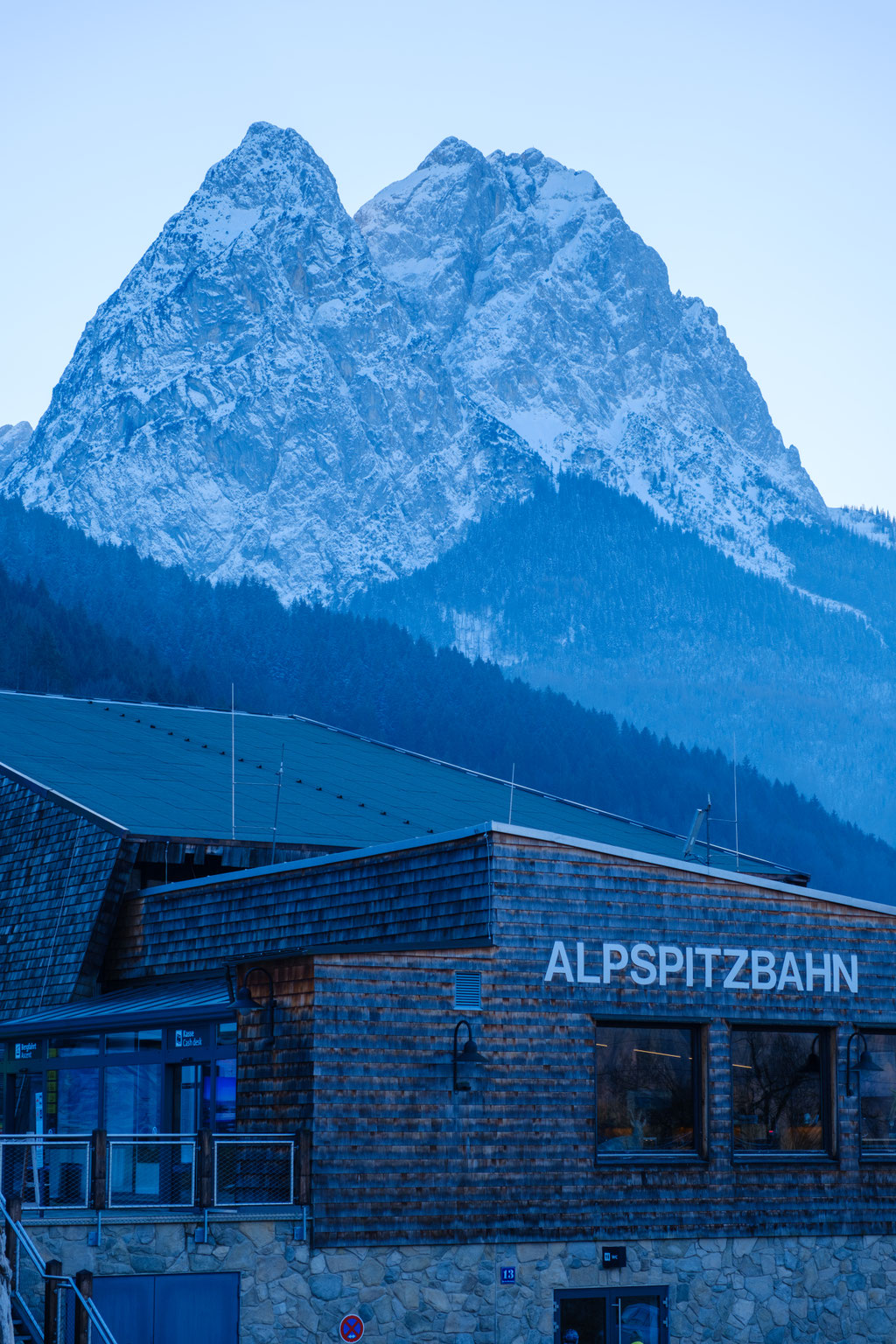
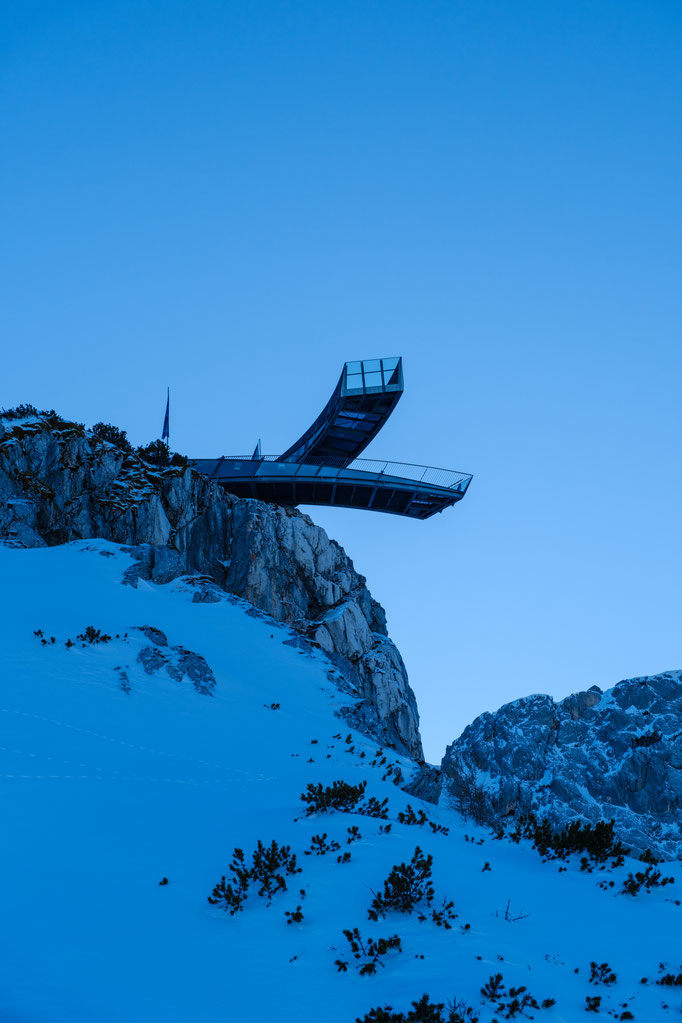
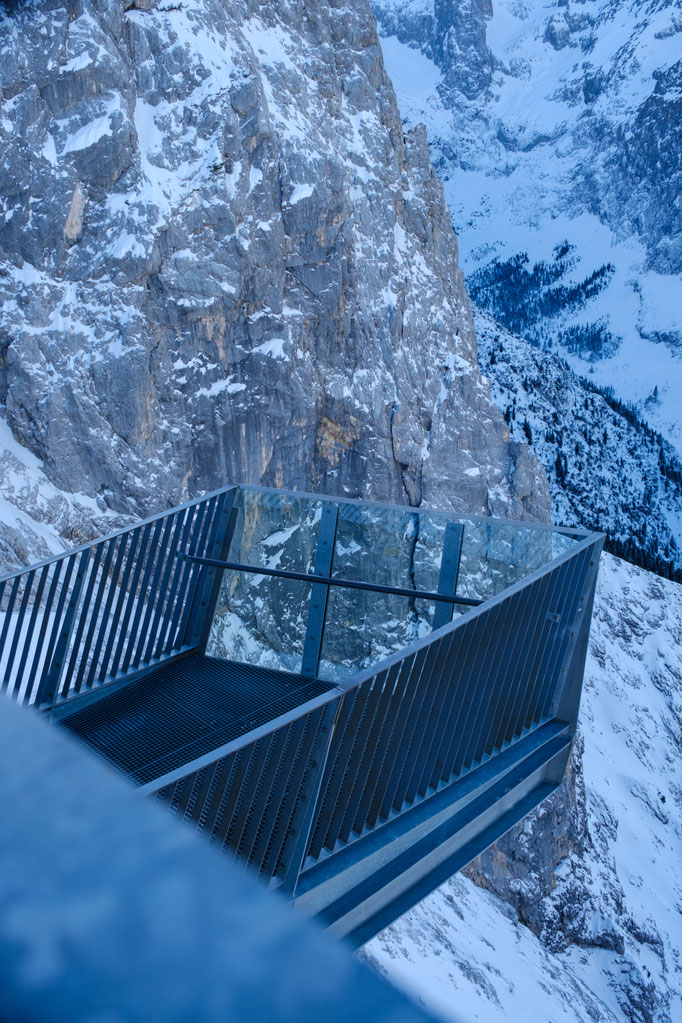
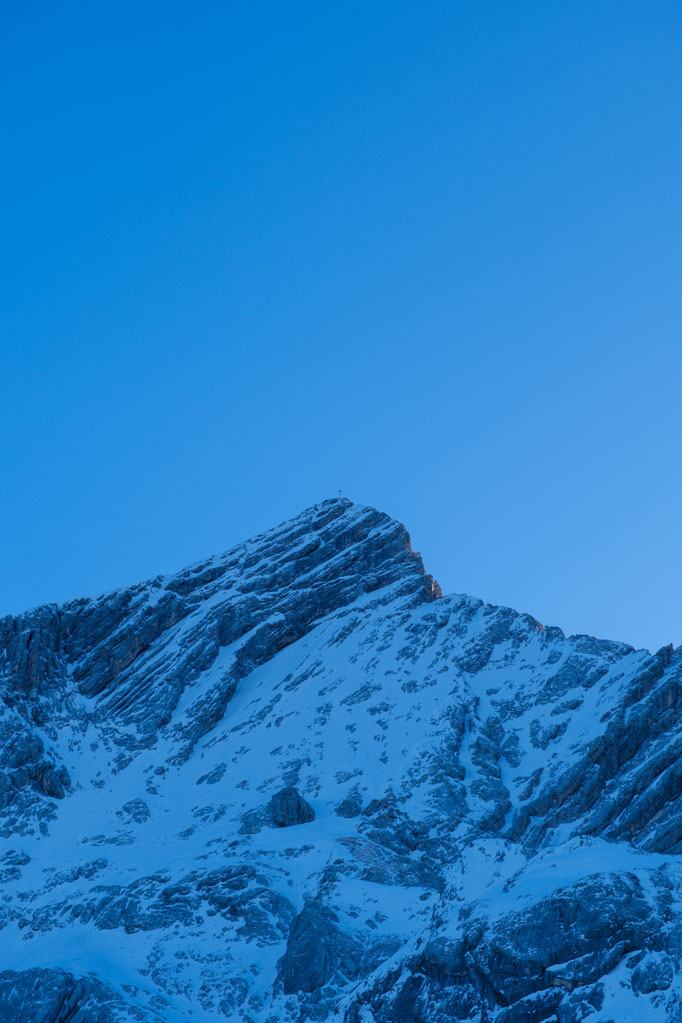
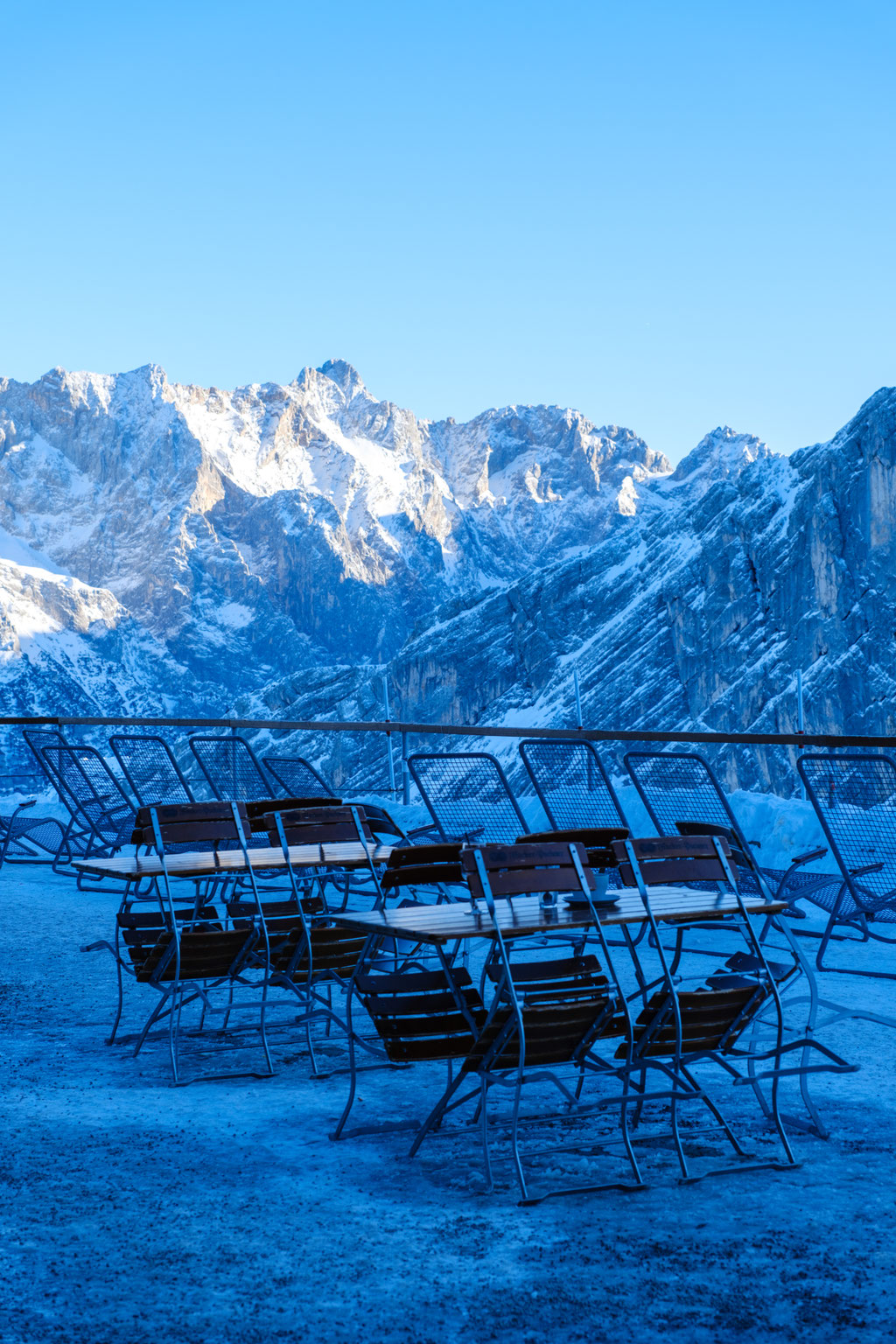
At 2,628 meters (8,622 feet), the Alpspitze offers incredible panoramic views of the surrounding Alps, with the mighty Zugspitze visible in the distance. One of the most thrilling spots is the Alpspix viewing platform, which extends over a nearly 1,000-meter drop, giving a heart-racing perspective of the landscape below. Experienced skiers can reach the Alpspitze directly from the Hausberg side using blue and red slopes with the Garmisch Classic ski pass. For non-skiers or those avoiding advanced slopes, there’s another way to reach the summit.
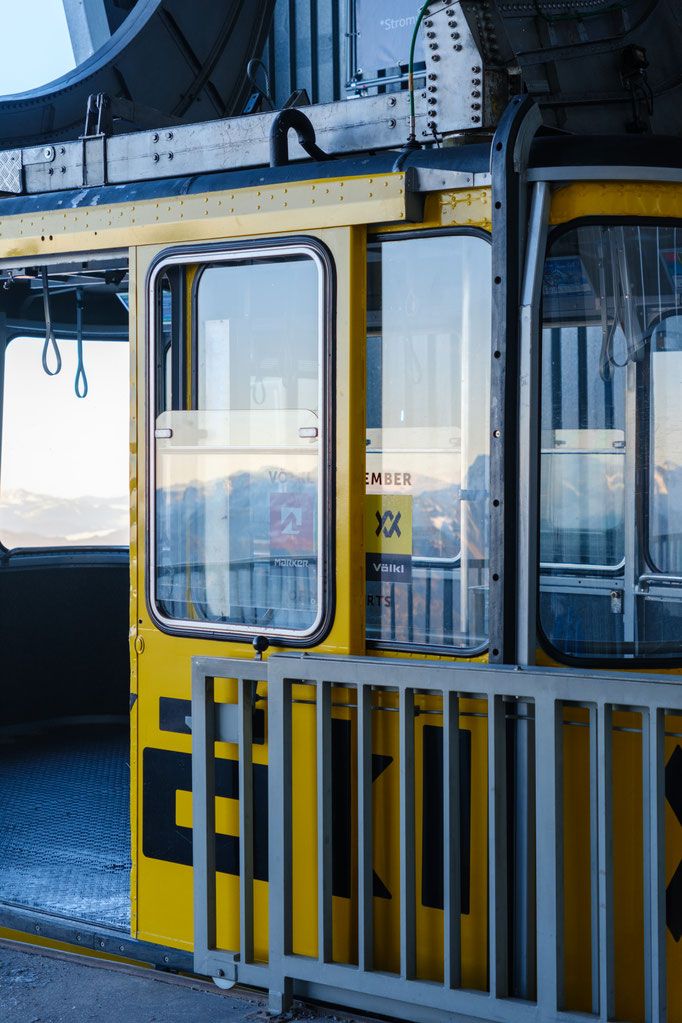
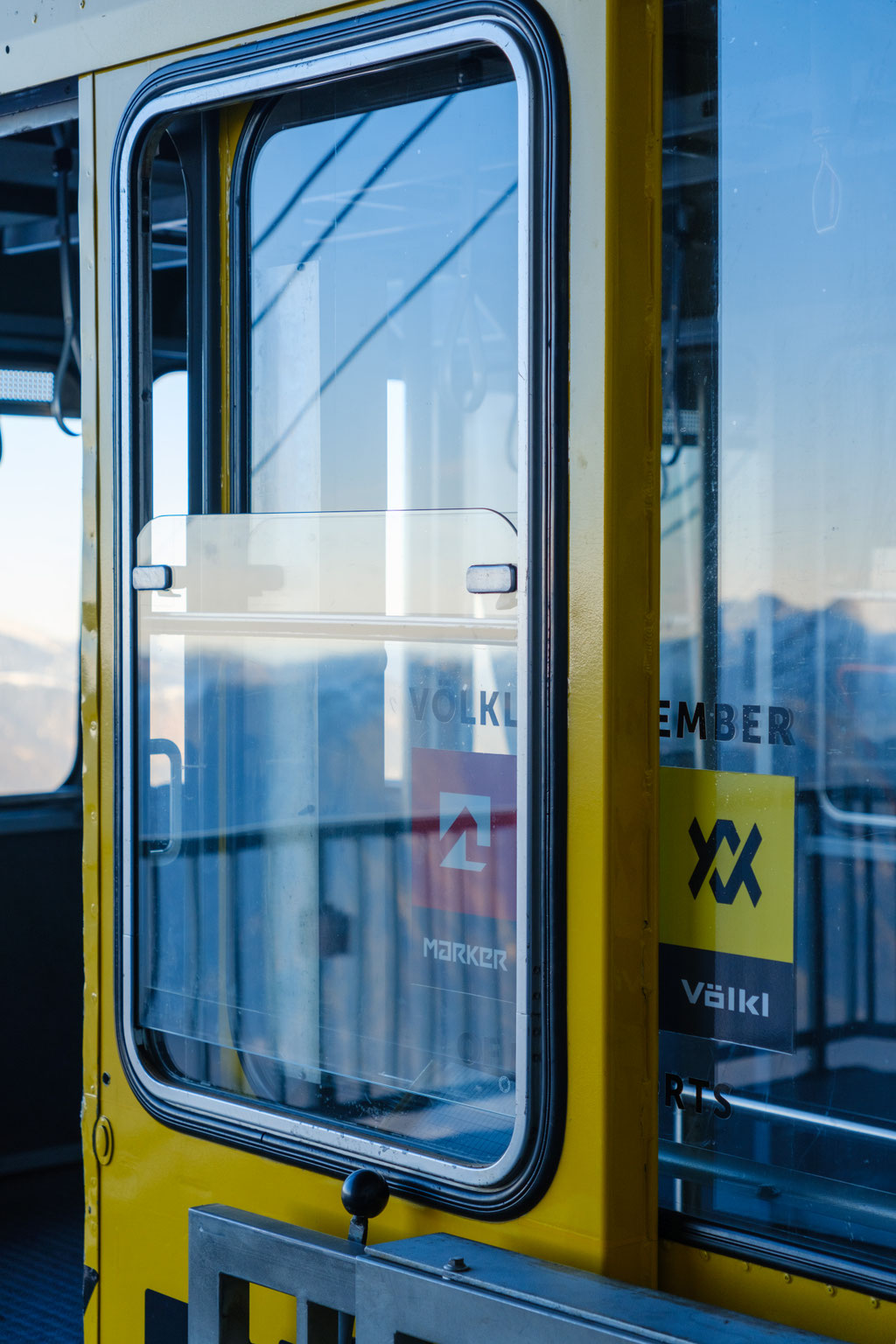
Since we stuck to blue runs and didn’t feel comfortable on the reds, we took a slightly different route. First, we rode the Hausbergbahn lift down, then drove to the Alpspitzbahn gondola to reach the top. Thankfully, it was smooth and hassle-free. We parked at Parking Kreuzeck / Alpspitzbahn, where we could reuse the same ticket from Parking Hausberg, which made it convenient and cost-effective. Our Garmisch Classic ski pass also covered the gondola ride, so there was no extra cost. With its dramatic viewpoints and towering peaks, Alpspitze is one of the most spectacular places to visit in Garmisch-Partenkirchen — and it’s well worth the trip, even if you’re not skiing.
| Opening hours |
Summer: daily from 8 a.m. to 5.30 p.m.
Winter: daily from 8.30 a.m. to 4.30 p.m.
| Admission - 35.50 EUR (roundtrip for non-skiers) |




Zugspitze
Although we didn’t make it to the Zugspitze during our trip, it is Germany’s highest mountain at 2,962 meters (9,718 feet) and a must-see destination. The mountain is home to one of Germany’s last glaciers, with its “eternal ice”, which is increasingly threatened by climate change — a reminder of the importance of preserving this natural wonder. From what we've heard, the Zugspitze is a skier’s paradise, especially for advanced skiers seeking thrilling runs, though that’s a bit beyond our level. The summit also features the iconic golden cross, a perfect spot for unforgettable photos.
We heard that beyond skiing, the Zugspitze offers something for everyone! It's a popular destination for hiking and sightseeing year-round. Whether your hike up the trails or simply enjoy the views from the top, the experience is unforgettable. The peak is easily accessible via impressive cable cars. One memorable route is to take the historic 90-year-old cogwheel train from Garmisch to the Zugspitze plateau at 2,600 meters, then board the 1,000-meter-long Gletscherbahn cable car to reach the summit. After enjoying the views, you can return via the cable car, experiencing the dramatic scenery even without skiing.
A ski day pass for Zugspitze costs around 66 EUR for adults, slightly more than the Garmisch Classic pass, but the large ski area and high elevation seem to justify the price. Parking is available at several locations, including Parking Eibsee and Parking Zugspitze Station, but it's best to arrive early, especially during peak season, as parking spaces can fill up quickly.
| Opening hours |
Summer: daily from 8 a.m. to 5.45 p.m.
Winter: daily from 8.30 a.m. to 4.45 p.m.
| Admission - 66 EUR (one-day ski pass) |

Discover more in the area
While our main focus was on exploring the stunning peaks of Garmisch, we’ve heard that there are some equally authentic destinations nearby worth discovering if you have extra time.
Partnach Gorge
The Partnach Gorge (Partnachklamm) is a stunning natural wonder, stretching 700 meters long and plunging 80 meters deep between towering limestone cliffs. Formed by a mountain stream, the gorge features rushing waters, waterfalls, and scenic paths that take visitors through its dramatic landscape. It’s open year-round, offering a different experience in every season — lush green in summer and sparkling icicles in winter. Entry costs 10 EUR for adults and 5 EUR for children, making it an affordable stop in the region.
DAY 4 - MITTENWALD AND SURROUNDINGS
Wagenbrüchsee Lake
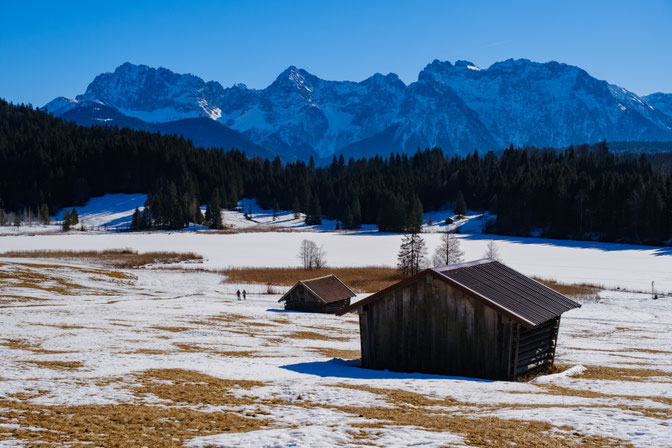
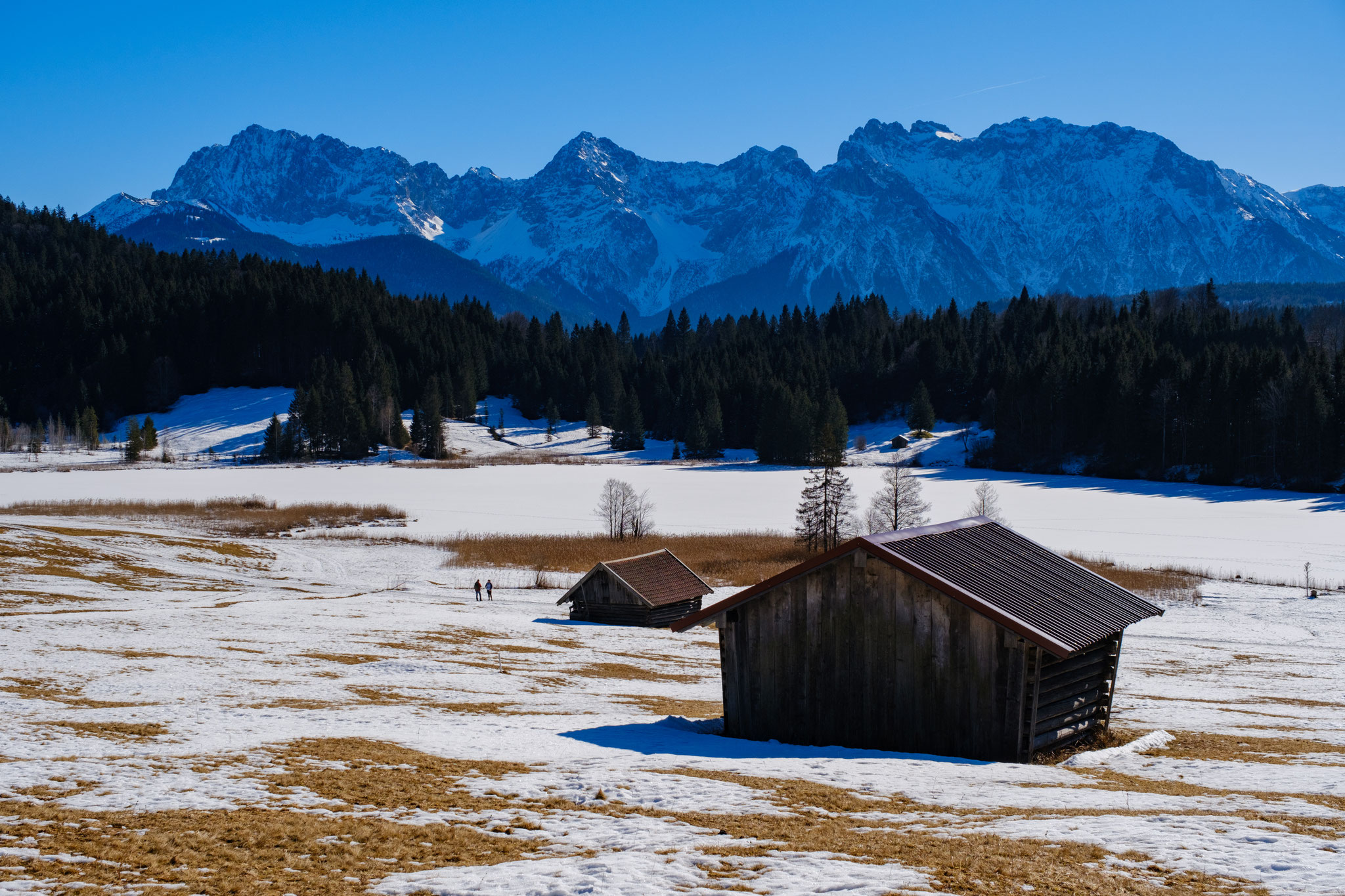
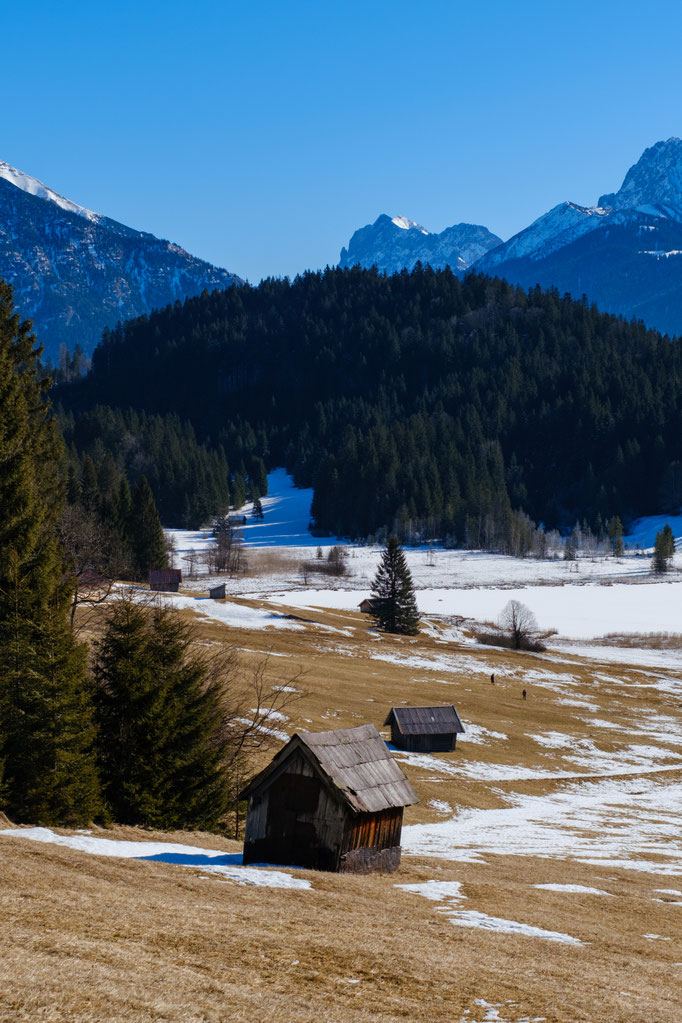
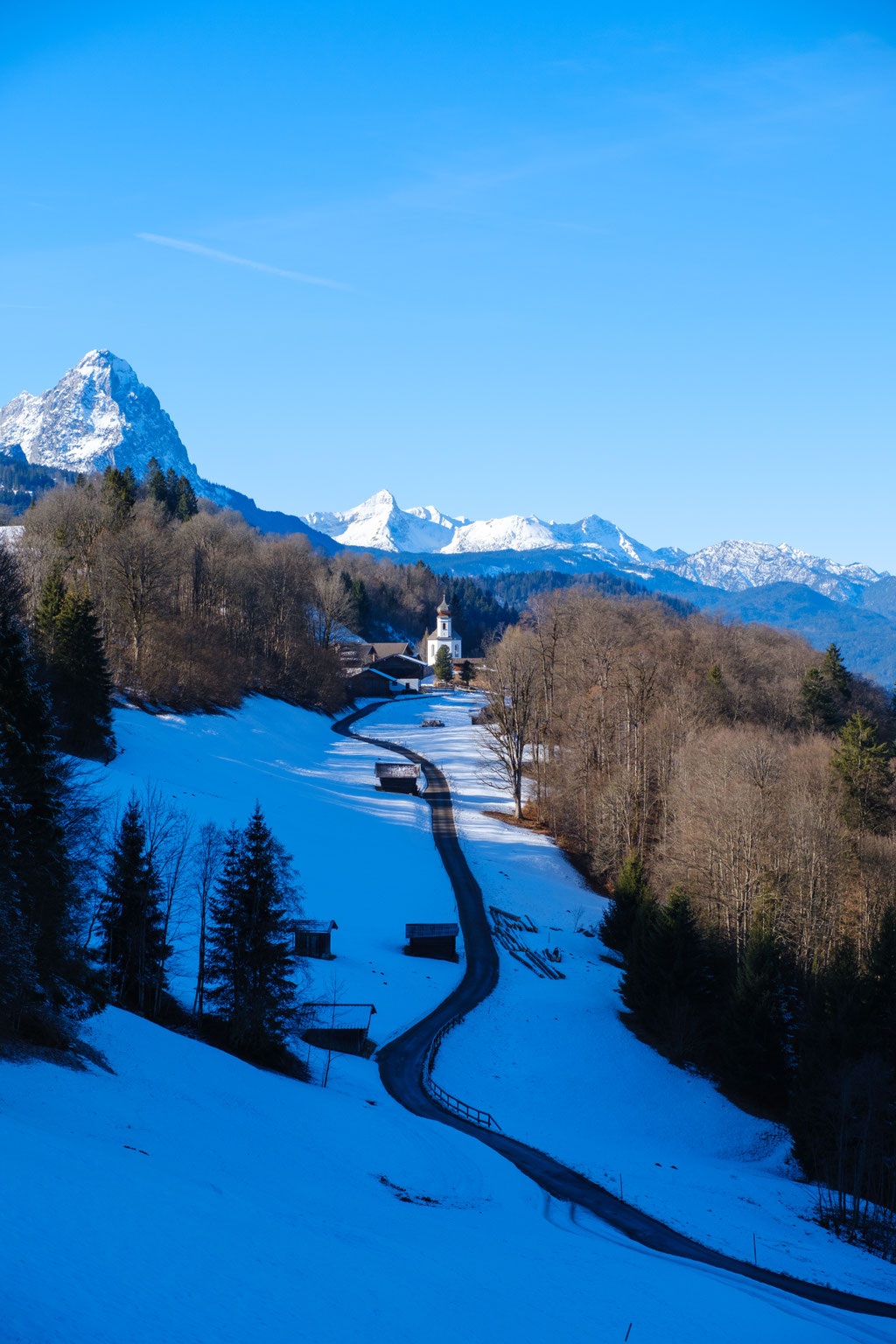
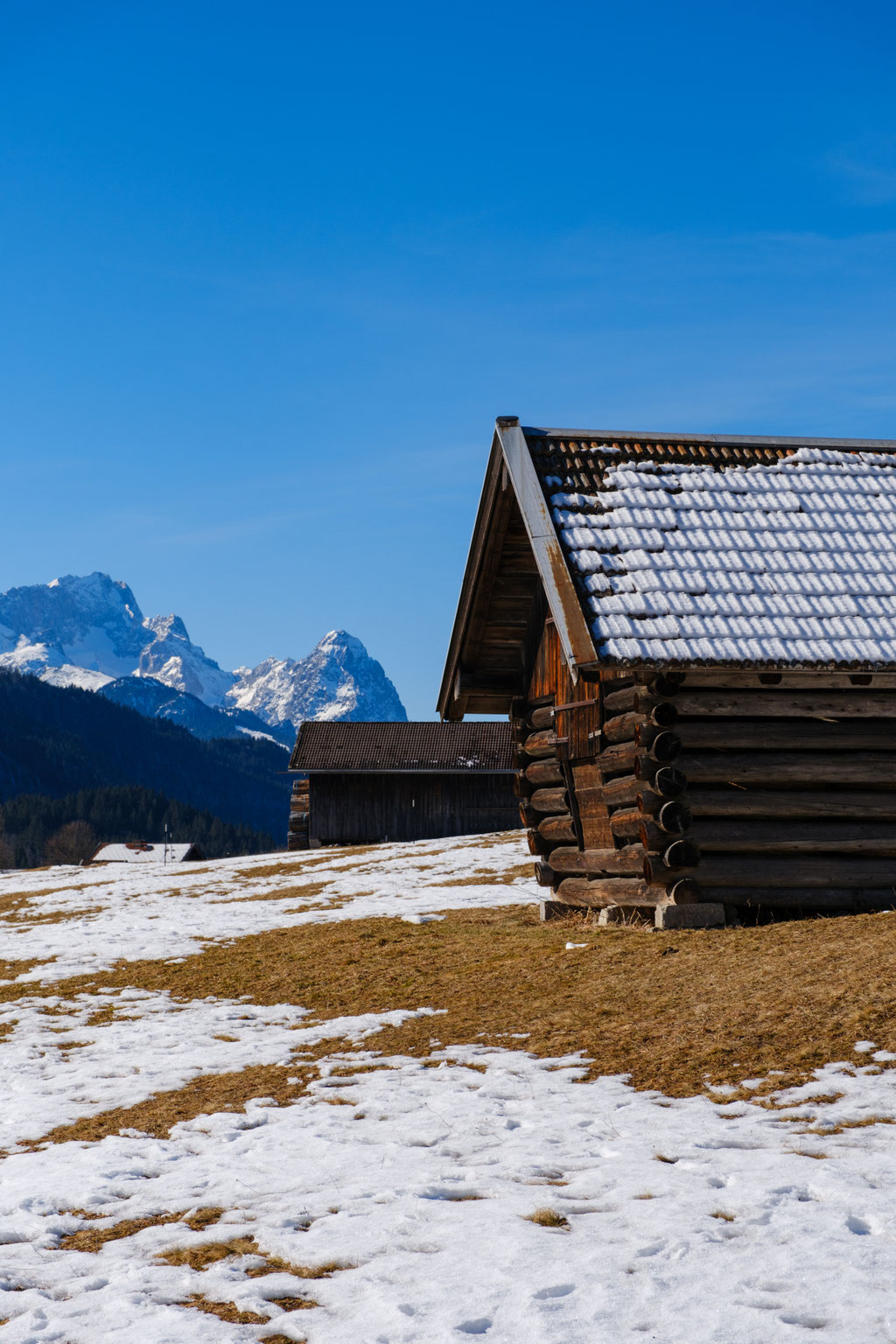
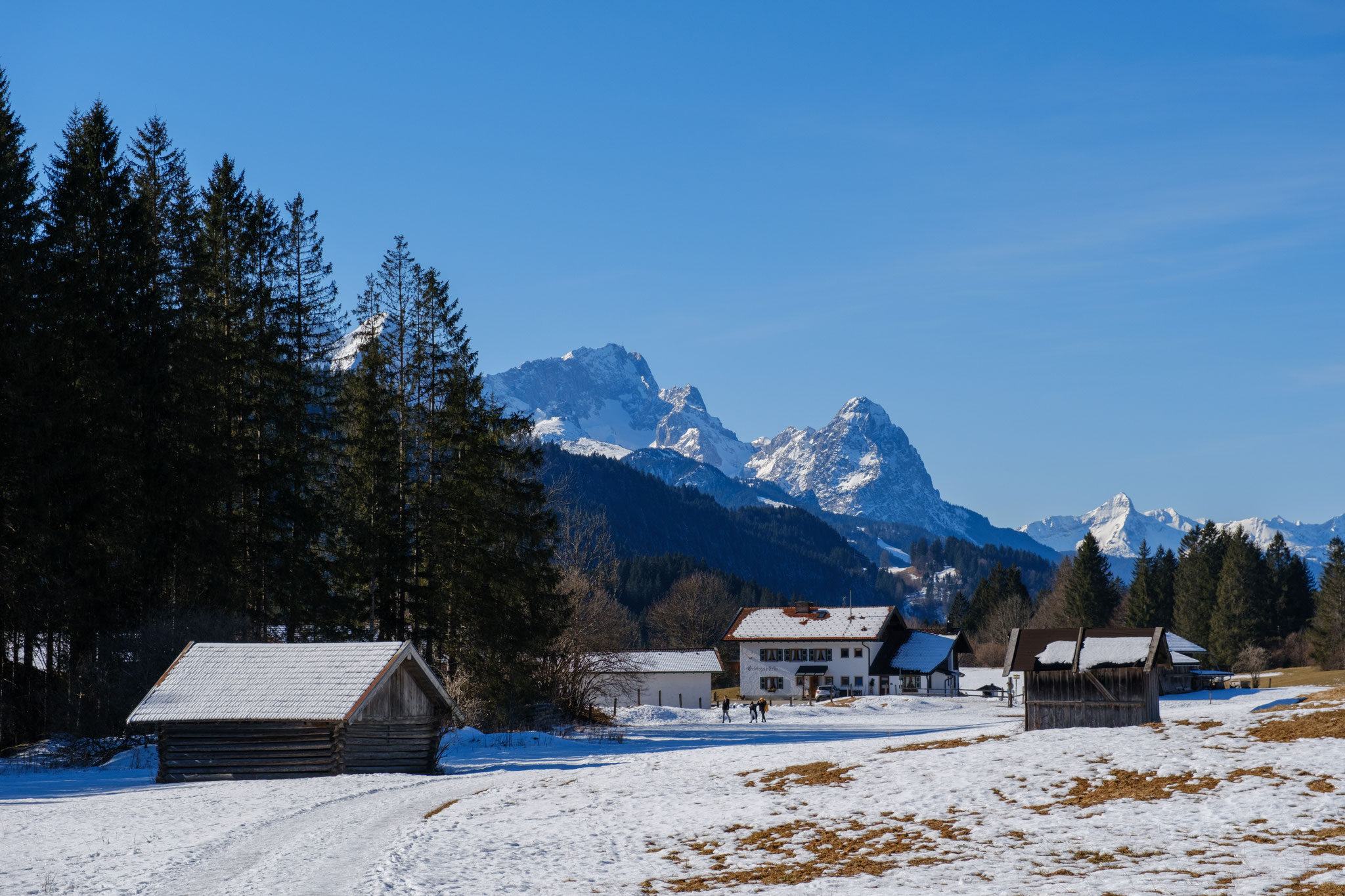
Our fourth and final day felt like a mini road trip. We spent the day driving, stopping for photos, and exploring small Bavarian villages along the way. We began with a visit to the beautiful alpine plateau around Wagenbrüchsee, also known as Geroldsee. It’s only about a 15-minute drive from Garmisch. On the way, we made a short stop at St. Anna Wamberg Church, where we enjoyed lovely views of the Bavarian countryside, traditional wooden huts, and mountains in the background.
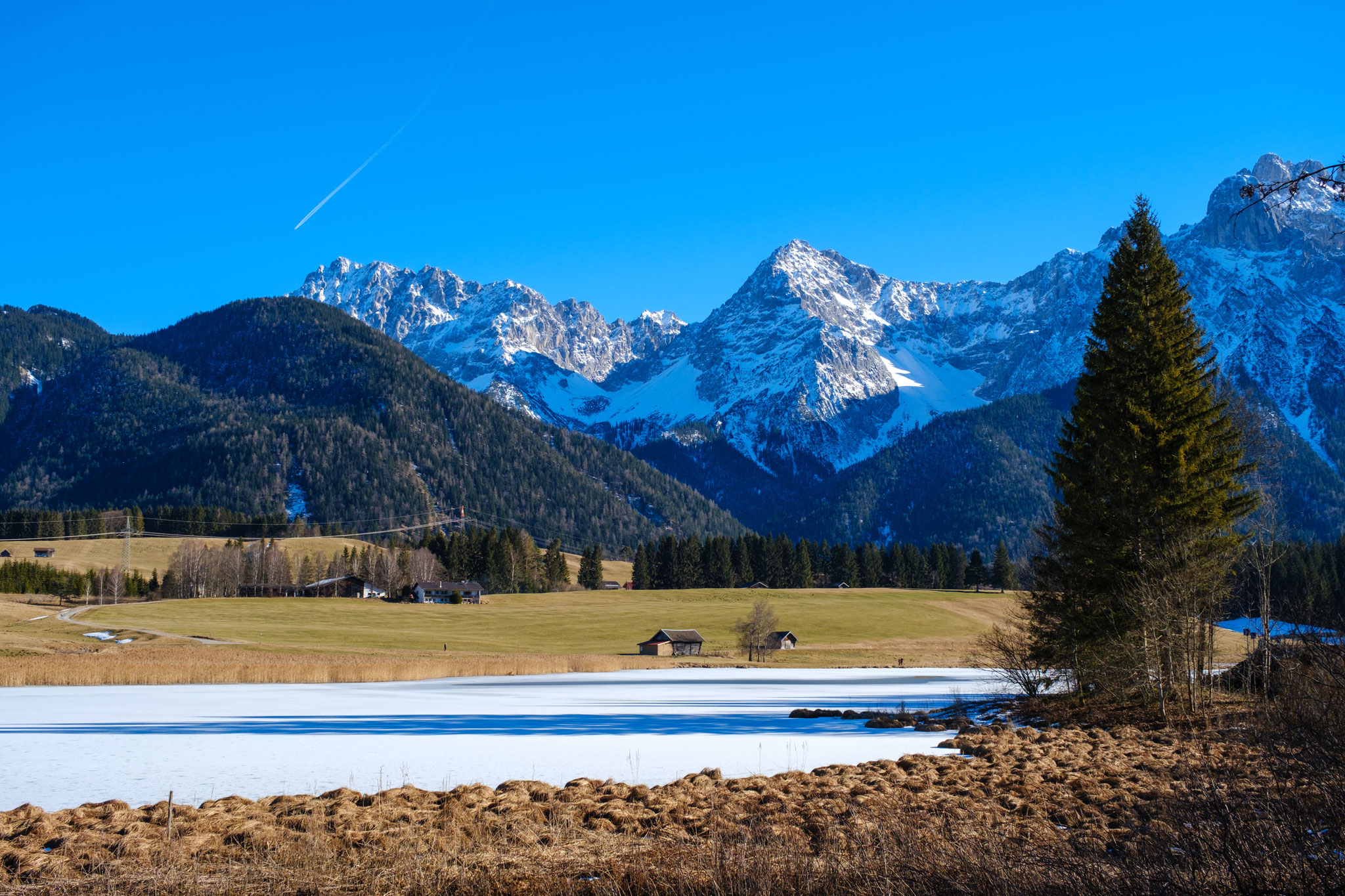
Wagenbrüchsee is a peaceful alpine lake surrounded by breathtaking views of the Bavarian Alps. In winter, the lake is frozen, which adds to the calm and magical atmosphere. The wooden huts around the lake reminded us of the Alpe di Siusi in the Italian Dolomites, making it a dreamlike location for photography. We found the area captivating at sunrise or sunset, when the soft light casts a warm glow over the snowy landscape, creating an unforgettable experience.

Mittenwald

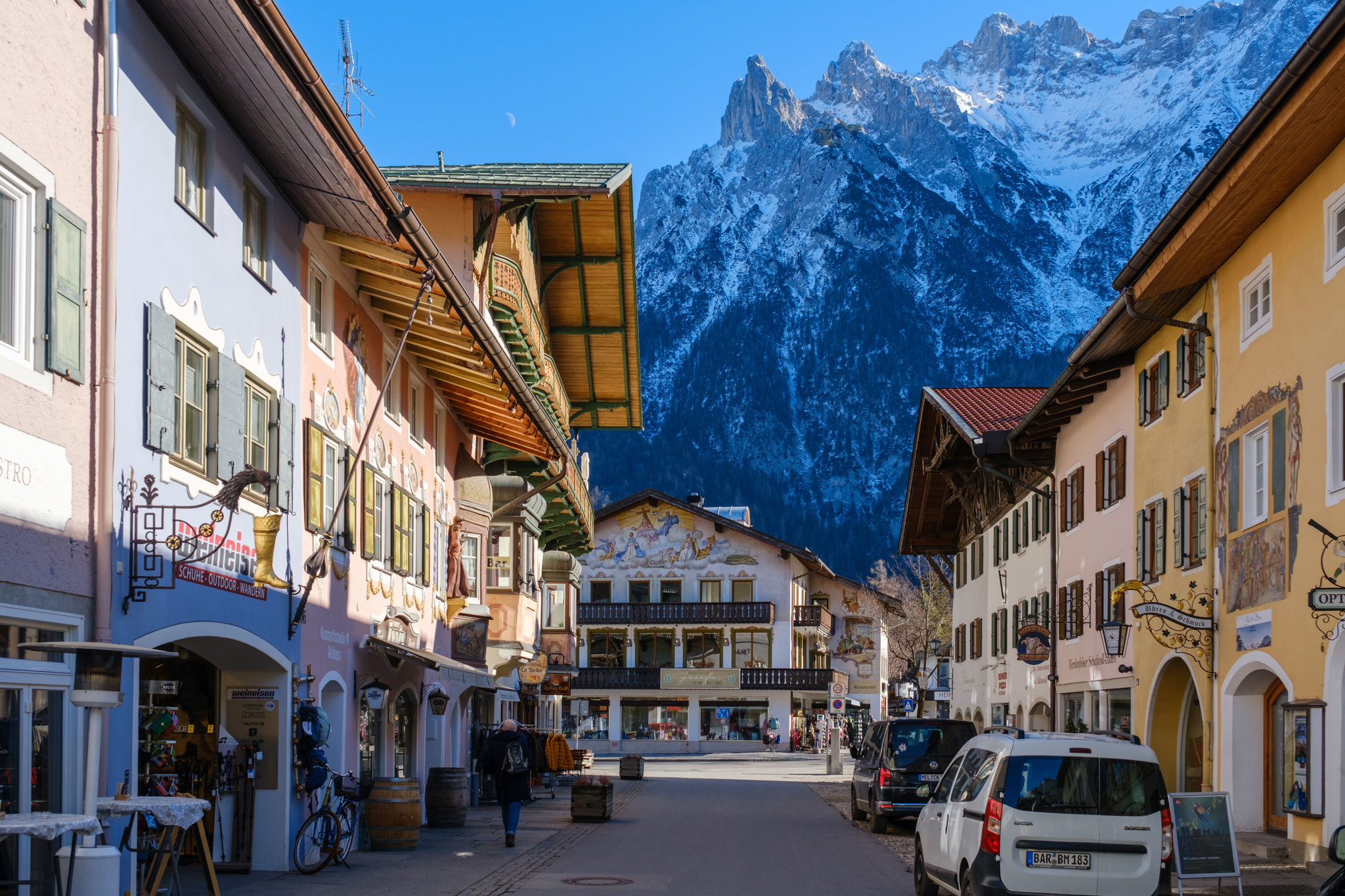
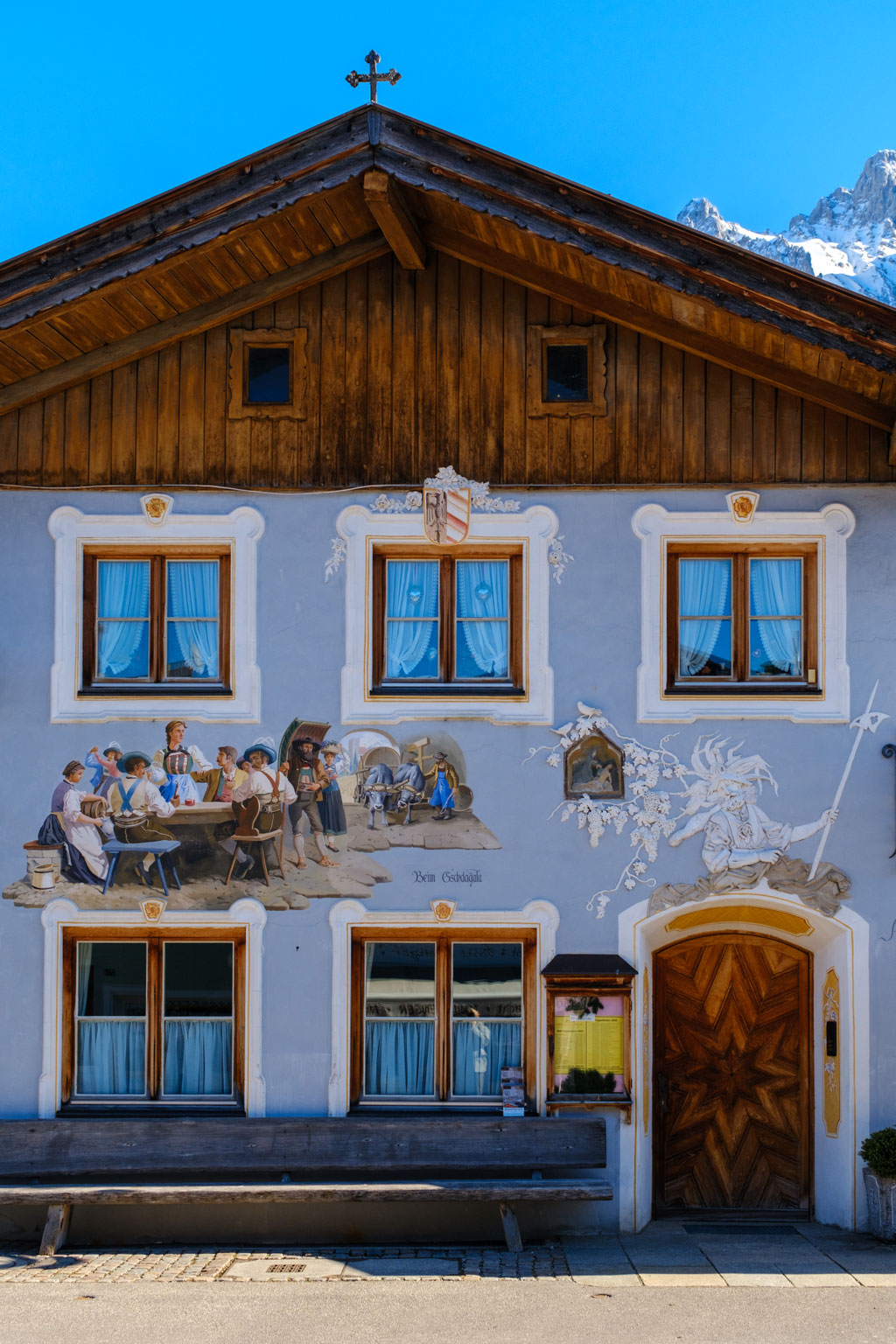
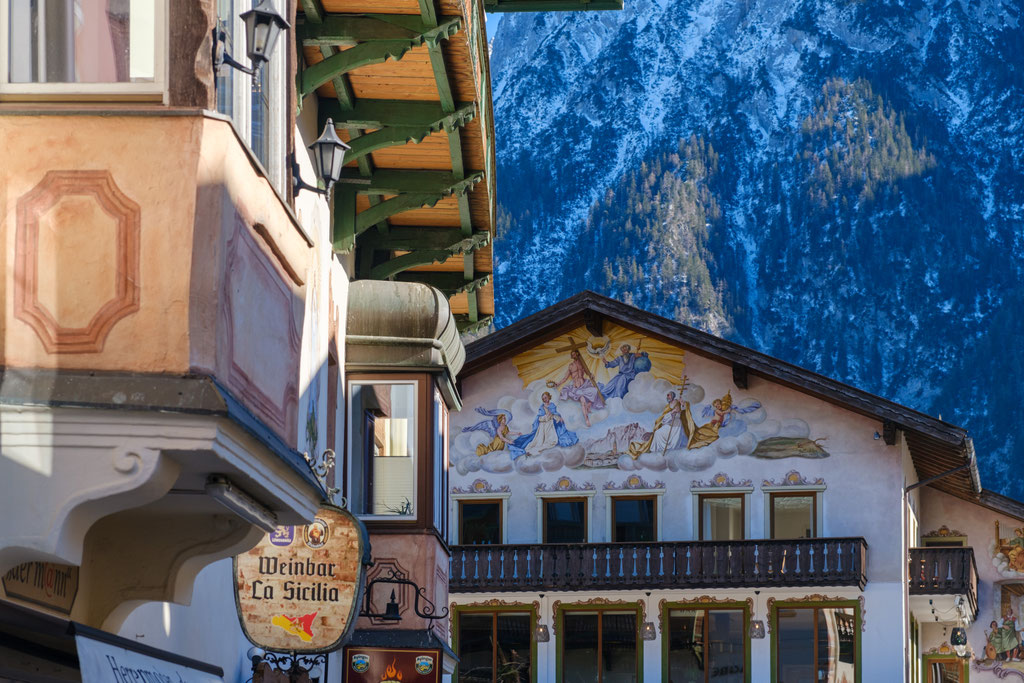
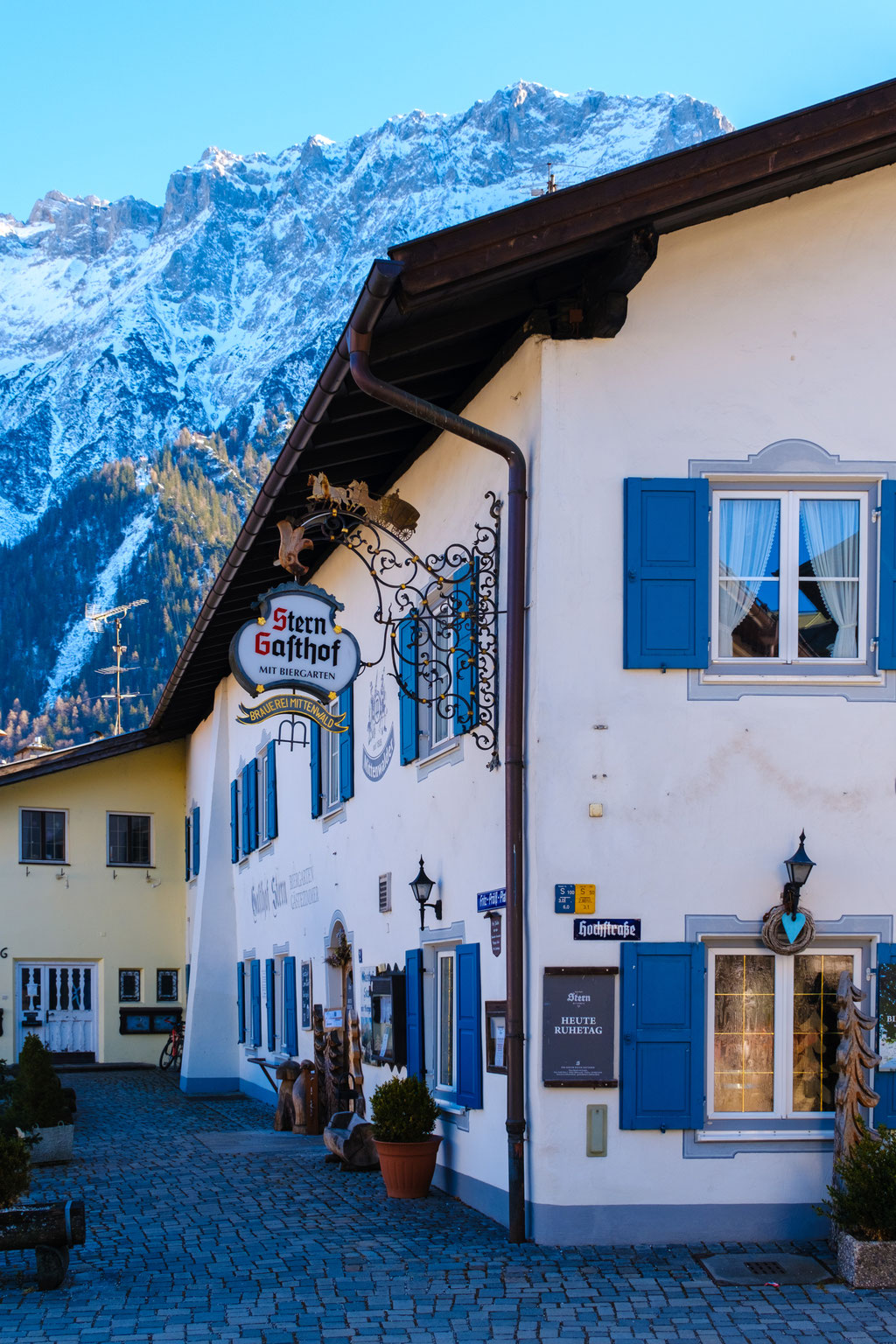
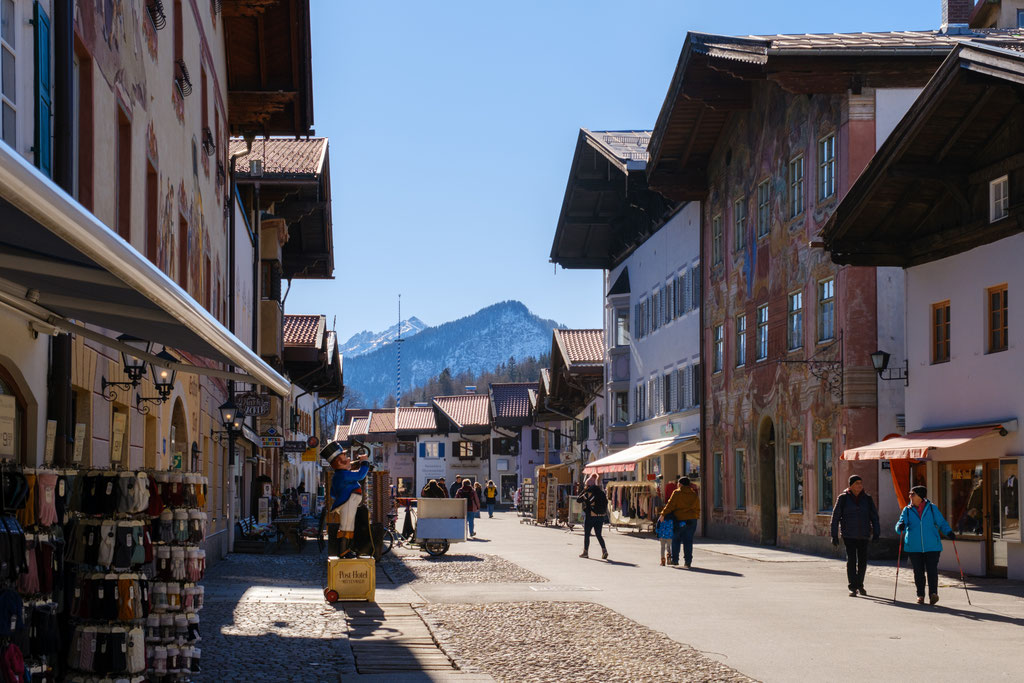
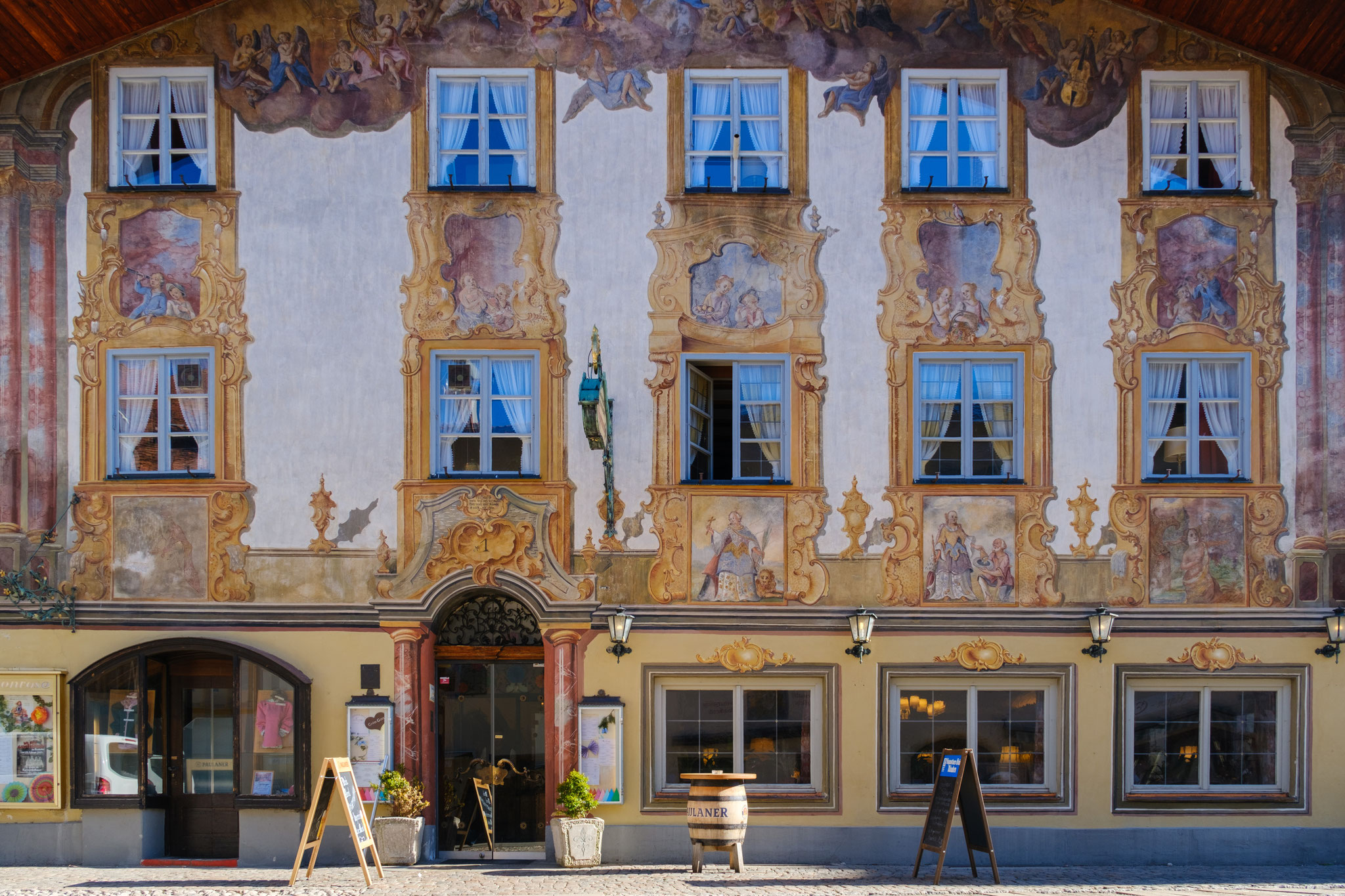

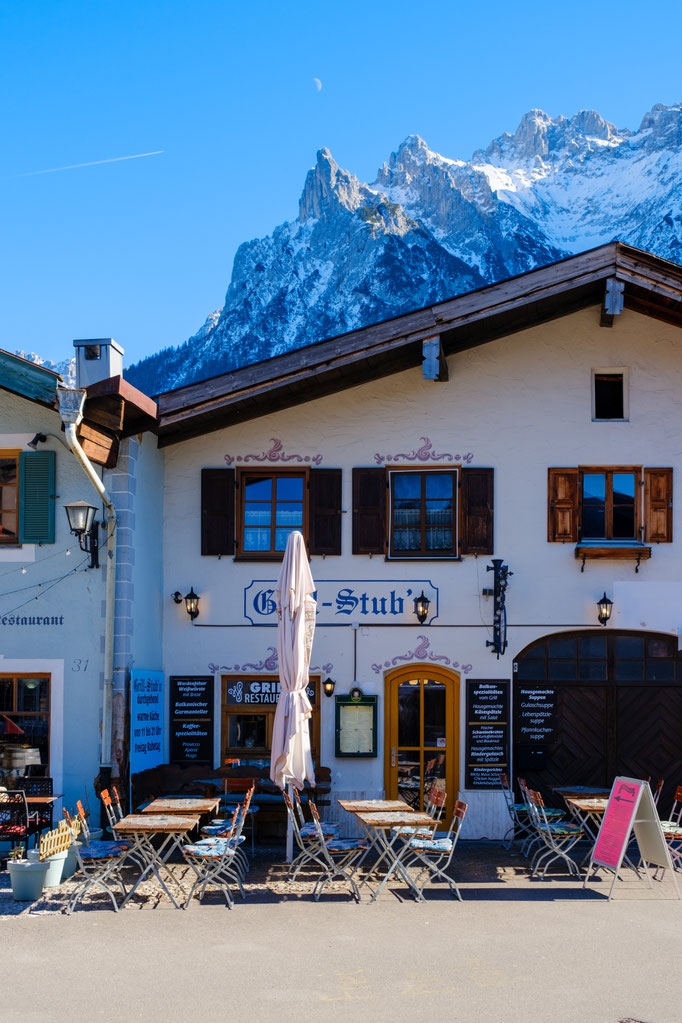
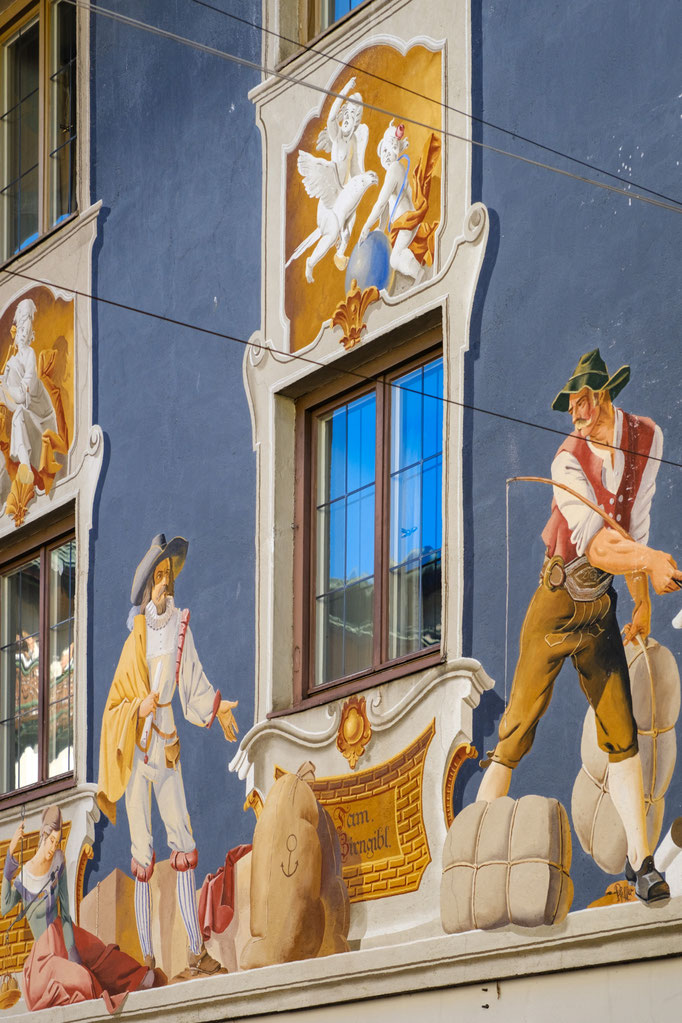
Oberammergau
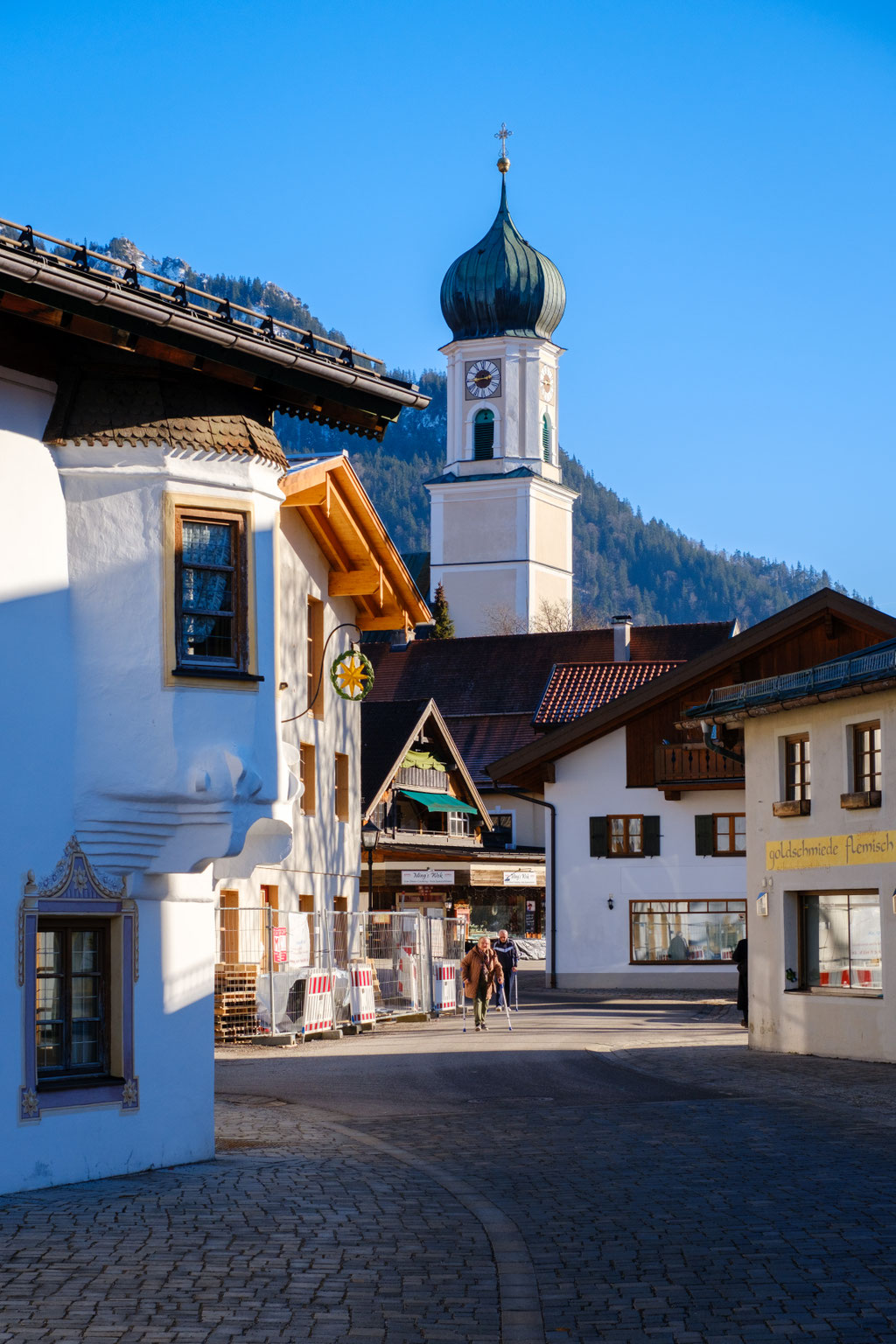
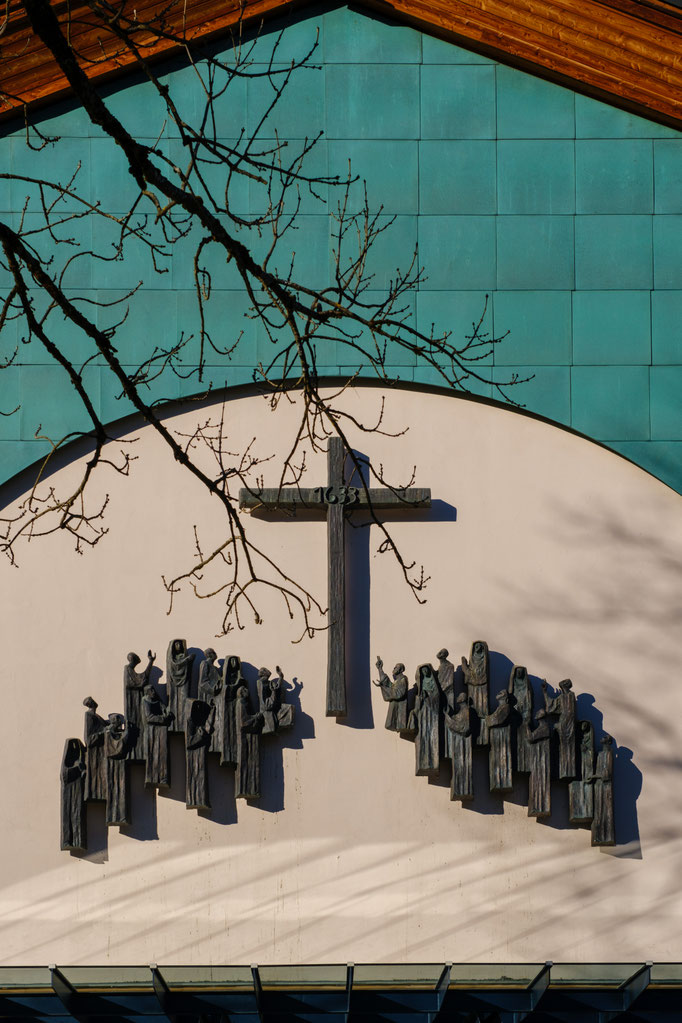
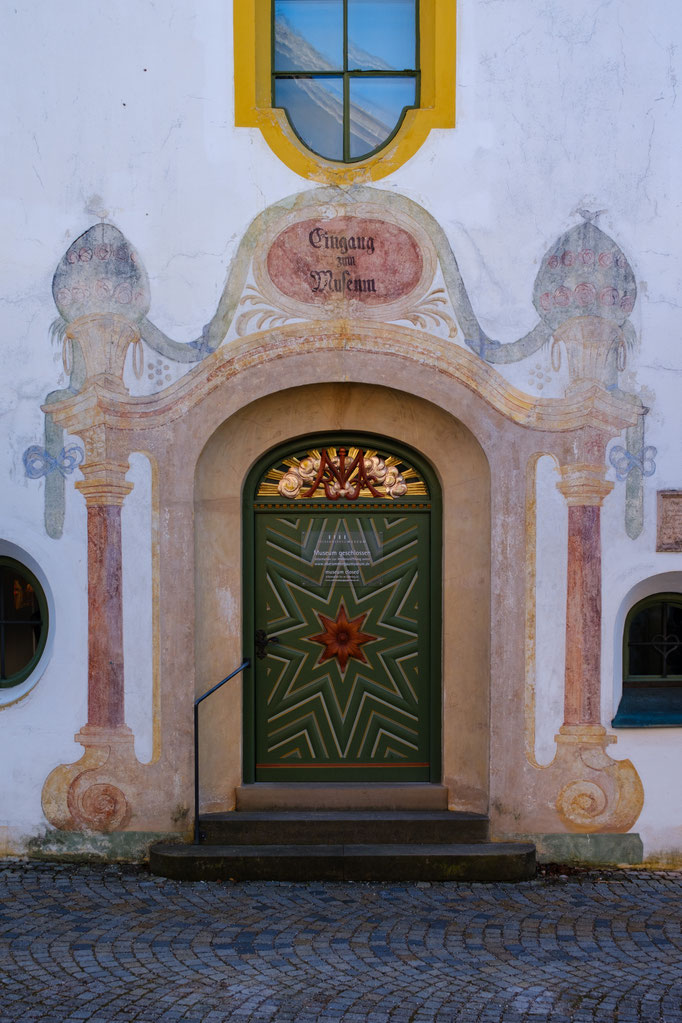
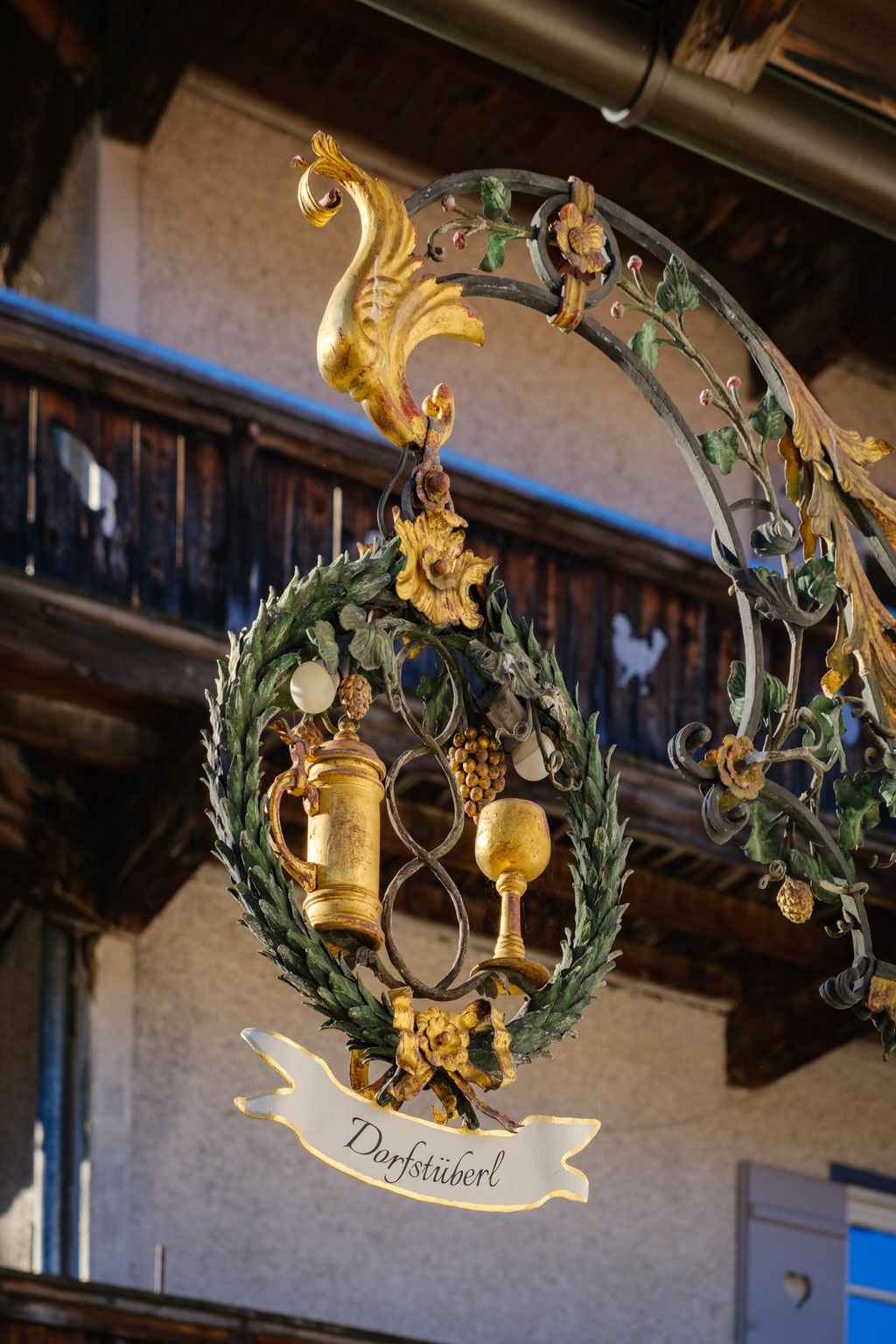
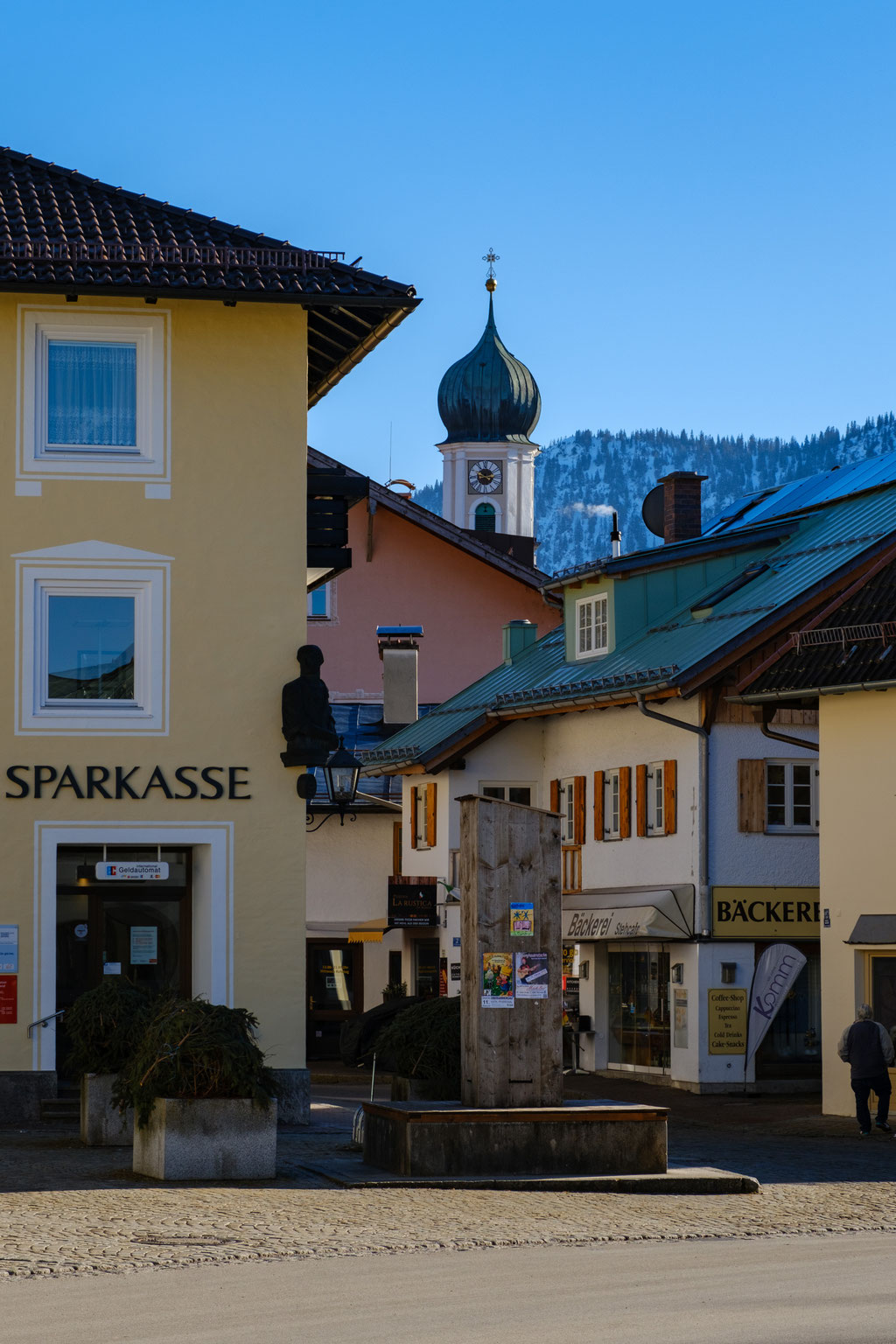
On our way back to the airport, we made a final stop in Oberammergau, a traditional Bavarian village we had missed earlier in the trip due to our busy schedule. We had chosen to prioritise the Eibsee hike on day two, but we really didn’t want to leave Bavaria without seeing Oberammergau. The village is famous for its Passion Play, held every ten years since 1634, and is known for its strong traditions and beautifully decorated houses.
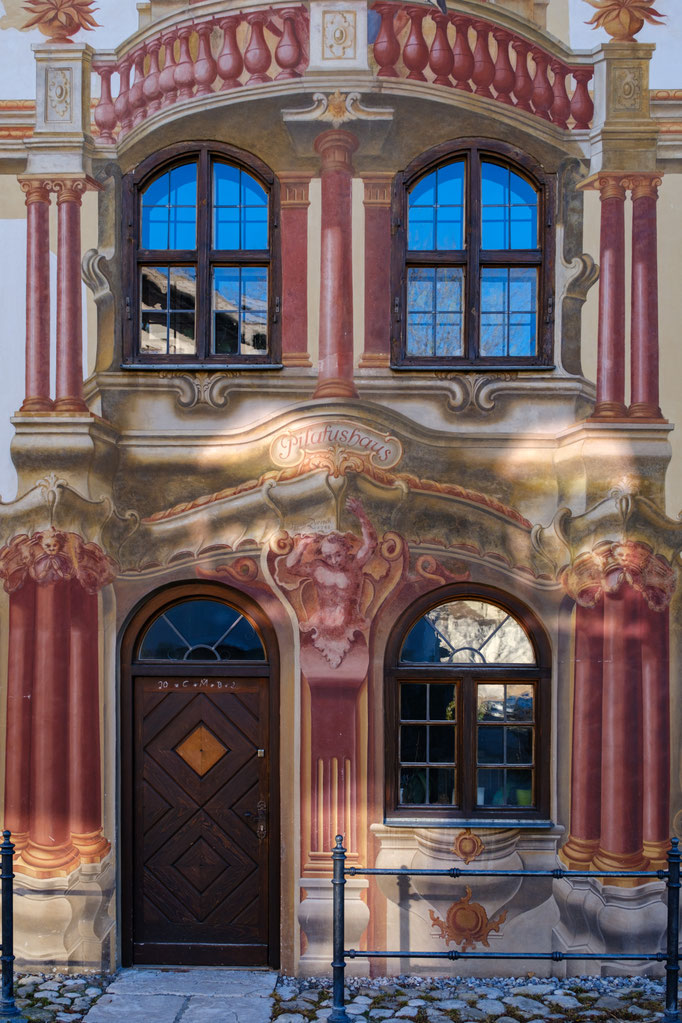
As we walked through the village, we were immediately drawn to the colourful buildings covered in Lüftlmalerei frescoes. Many of them tell stories from fairy tales, local history, and religious scenes. Two of the most charming are the Hänsel & Gretel House (Ettaler Strasse 41) and the Little Red Riding Hood House (Ettaler Strasse 48), which truly add a fairy-tale feel to the streets. We also visited the Pilatushaus, a wonderful example of Bavarian woodcarving and a reminder of the village’s long artistic tradition.
Oberammergau was the perfect way to end our Bavarian road trip. It felt like discovering a hidden gem and was the perfect final taste of the region’s rich culture and traditions.


Discover more in the area
If you have more time in the Mittenwald area, there are several beautiful places we wish we had been able to visit. From peaceful lakes to impressive mountain views, the region offers many great options for nature lovers.
Hoher Kranzberg
The Hoher Kranzberg hike offers stunning views of the Karwendel and Wetterstein mountain ranges. The trail starts at the Kranzberg chair lift base station and is about 2.8 km long, with a 380-meter elevation gain. It takes about 1.5 hours and is considered a moderate hike, perfect if you want a scenic walk without too much effort. For an easier option, you can take the chairlift up to the St. Anton alpine hut and shorten the hike.
Lautersee
If you have extra time, you can extend the Hoher Kranzberg hike to Lautersee. This adds about 4.7 km, making the total route around 7.5 km and taking roughly 3 hours. Lautersee is a very pretty lake, especially in winter when the snow-covered trees and mountains are reflected in the water. It’s a peaceful spot and well worth the extra effort (more information here).
Karwendel Mountains
The Karwendel mountain range is known for its dramatic peaks and green valleys, ideal for outdoor enthusiasts. For an easy way to enjoy the views, you can take the Karwendelbahn cable car (Germany's second-highest cable car) which costs 36.90 EUR. From the top, you can follow the Passamani Loop Trail, a scenic walk through meadows, forests, and mountain landscapes. It's suitable for all levels and a great way to enjoy the area without a long hike.
Ferchensee
Ferchensee is a small, hidden lake near Mittenwald and a true hidden gem. Surrounded by forests and mountains, it feels peaceful and untouched. The water is incredibly clear, and the reflections of the surrounding peaks create a beautiful scene, especially on calm days. It’s an ideal place to slow down, take photos, or simply sit and enjoy the scenery. Whether you visit in summer or in winter, Ferchensee is a great spot to experience the natural beauty of Bavaria.
Travel Essentials
GETTING THERE
BY PLANE
Munich Airport is a major international hub, offering direct flights from cities all over Europe and beyond. After landing, Füssen and many other popular Bavarian destinations are just under two hours away, making the airport an ideal starting point for your road trip. Car rentals are readily available at the airport, giving you the flexibility to explore the region at your own pace.
BY TRAIN
For those who prefer to travel by train, Munich is well connected to Füssen by rail, offering a scenic route through the heart of the Bavarian countryside. The journey takes about two hours, with trains running regularly throughout the day. If you're planning to visit the Neuschwanstein Castle and have limited time, the Regional Day Ticket Bavaria is an excellent option. This ticket allows you to travel throughout the region on a day of your choice. Priced at 32 EUR per person, you can also add up to four additional passengers for discounted rates, making it a great deal for small groups. That said, while public transportation in Bavaria is well-developed and reliable, we recommend having your own vehicle to fully explore the Bavarian Alps.
BY BUS
For a budget-friendly and scenic alternative, regional buses run from Munich to Füssen, though the journey takes longer—around four hours. Tickets typically cost about 15 EUR one way, making it a great choice for travelers looking to save money while enjoying the beautiful Bavarian countryside along the way. Bus schedules are less frequent than trains, so be sure to check current timetables in advance. Once in Füssen, local buses and taxis can help you navigate the town and reach nearby attractions.
BY CAR
Renting a car is the best way to explore the Bavarian Alps, offering the flexibility to visit storybook towns, iconic castles, and natural landscapes on your own schedule. The drive from Munich to Füssen is easy, with well-maintained roads and breathtaking views of the Alps. Having a car also makes it easier to reach remote areas and hidden gems that may be harder to access by public transportation, ensuring you can make the most of your adventure in this picturesque region.


STAYING THERE
Finding the right place to stay in the Bavarian Alps is easy, with plenty of options to suit different preferences and budgets. Accommodation costs can vary widely: budget-friendly options like guesthouses or smaller hotels typically cost between 80 to 150 EUR per night. If you prefer mid-range hotels or boutique accommodations, expect to pay between 150 to 250 EUR per night, while upscale options can easily exceed 300 EUR.
During our stay, we opted for two bases in the region. In Füssen, we stayed at Villa Fantasia Budget Boutique Hotel, a nice option just a short walk from the city center. It offered the perfect place to relax after visiting the Neuschwanstein Castle and wandering the scenic streets of Füssen. In Garmisch-Partenkirchen, we chose Explorer Hotel Garmisch, a comfortable hotel with easy access to the Alps. It was ideal for outdoor activities, providing a cozy retreat after hiking or skiing in the stunning surroundings. Both accommodations offered great comfort and convenience, making them excellent choices for exploring the region.


EATING THERE
Füssen
- Restaurant Madame Plüsch: A small and charming restaurant in the center of Füssen. They serve local Bavarian food with a modern touch. The dishes are nicely presented and made with fresh ingredients. Main dishes usually cost 18-30 EUR.
- Bäckerei Brunners: A great bakery for breakfast or a snack. You can find fresh bread, sandwiches, cakes, and pastries. Prices are affordable, usually 2-6 EUR per item.
Garmisch
- Zum Wildschütz: A traditional Bavarian restaurant with a warm atmosphere. They serve schnitzel, meat dishes, and local specialties. Portions are large. Main dishes cost around 18-25 EUR.
- Shaka Burgerhouse: A modern
burger restaurant with tasty homemade burgers. Good option for a casual meal. Expect to pay about 15-20 EUR per person.
- KRÖNNER
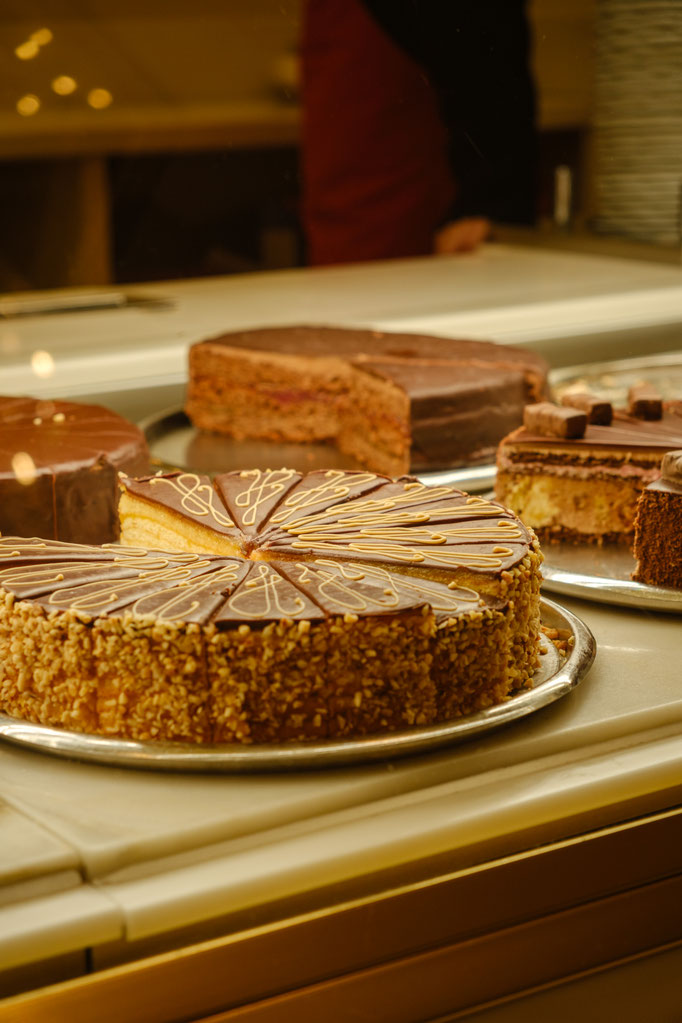
Kaffeehaus & Konditorei: A beautiful café famous for cakes and chocolates. Perfect for coffee and cake in the afternoon. Cakes cost around 4-8 EUR.
- Bungalow 7: A stylish restaurant with
international dishes. The atmosphere is modern and relaxed. Main dishes usually cost 20-30 EUR.
Partenkirchen
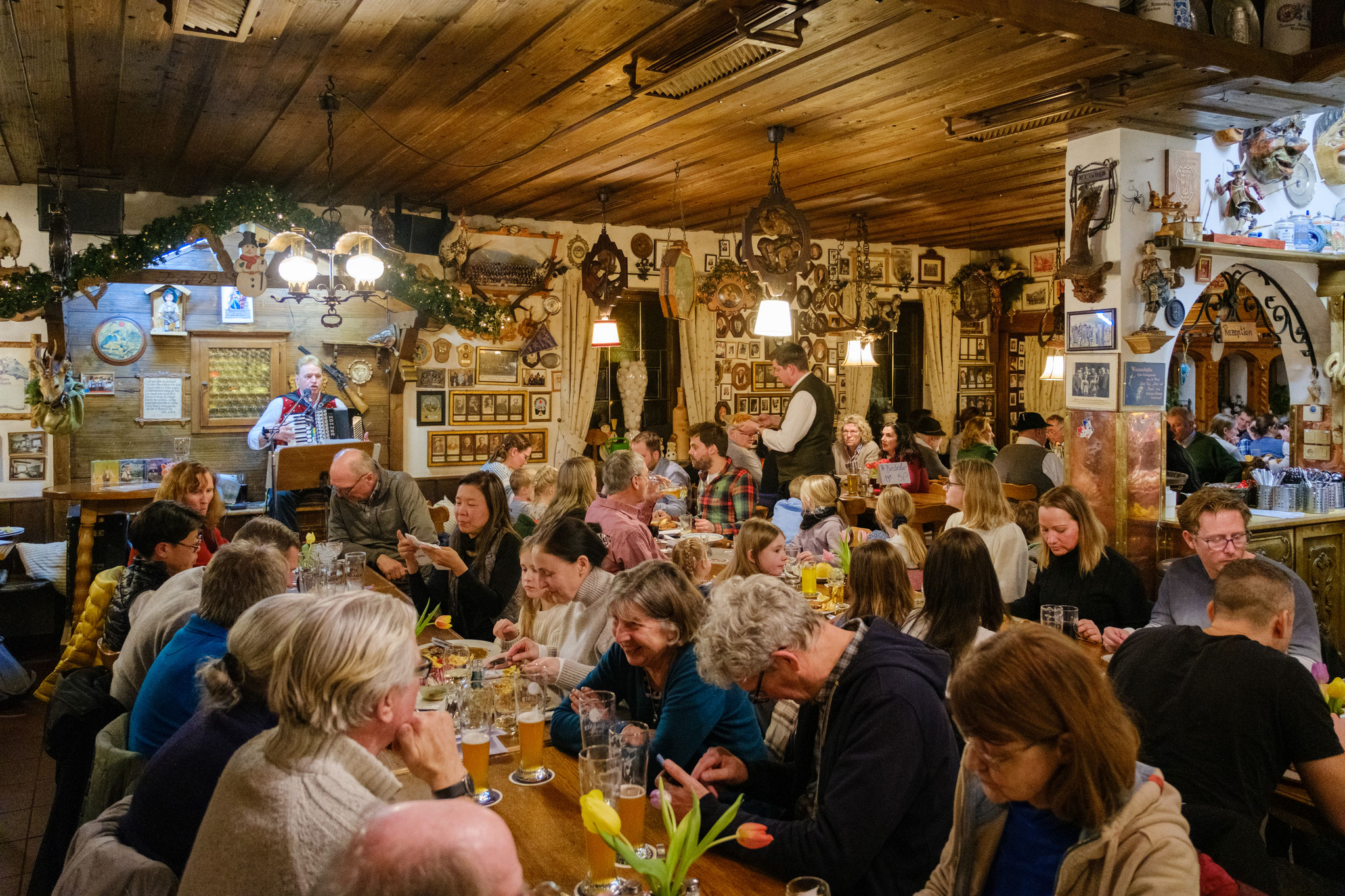
- Gasthof Fraundorfer: A traditional Bavarian inn with a warm atmosphere. It serves classic regional dishes such as roast pork, dumplings, and other local specialties, paired with Bavarian beer. A great place to experience Bavarian cuisine. Main dishes usually cost 18-28 EUR.
mittenwald
- Gasthaus zur Romerschanz: A cozy
local restaurant serving traditional Bavarian food. Good place for a simple and hearty meal. Main dishes are around 18-25 EUR.
- Brauereigaststätte Postkeller: A
brewery restaurant where you can drink local beer made on site. They also serve classic Bavarian dishes. Expect to pay 15-25 EUR per person.
- Der Markt Bäcker: A small bakery in the center of
town. Perfect for bread, pretzels, sandwiches, and sweet pastries before a hike. Prices are 2-6 EUR per item.


FINAL THOUGHTS
The Bavarian Alps offer a perfect mix of stunning landscapes, rich history, and unforgettable experiences. From exploring fairytale castles and postcard-perfect towns to skiing on pristine slopes, every moment of our 4-day road trip felt amazing! Whether you're seeking adventure or relaxation, this region has something for everyone. We hope our journey has inspired you to explore the beauty of Bavaria and create your own unforgettable memories in the heart of the Alps.
Now it's your turn to share your thoughts, experiences, and tips for exploring the Bavarian Alps. Your insights help fellow travelers make the most of their own alpine adventures and contribute to our growing travel community!
YOU MIGHT ALSO LIKE..